
Significance
7 measured / 7 eligible · 0 missing · 0 not applicable
score (0 to 1) · Event-level distribution, not a Situation risk score.
across all 7 events
On September 21, “China expels military leaders Zhang Youxia and Liu Zhenli over violations” reported their expulsion; the coded investigation and government expulsion are dated September 23, and the Chinese Communist Party’s expulsion is dated September 25. (The September 23 headlines were “China investigates generals Zhang Youxia and Liu Zhenli over political risks” and “China expels top generals Zhang Youxia and Liu Zhenli over alleged corruption.”) On September 25, “China announces military purge amid resistance to Zhang Youxia's removal” also reported resistance. On October 28, the Central Committee of the Chinese Communist Party made a public statement adopting a discipline decision; the October 29 headline “China elevates military general to Politburo to strengthen party discipline” reports an elevation but does not specify it in the statement. On October 31, “China’s Communist Party tightens internal discipline and anti-corruption drive” reported an internal-discipline and anti-corruption drive. Xi Jinping made a public statement on Party self-governance on November 1 and spoke about Party discipline on November 2; later headlines included “Xi Jinping vows tighter internal controls and discipline in China's Communist Party” and “Xi charts course for stricter self-governance within China's Communist Party.”
Footnotes[9][11][12][10][8][7][6][16][5][4][13][14]The central connection is a sequence from investigation and expulsion coverage to formal Party discipline statements and Xi Jinping’s public emphasis on governance, alongside later reports of continuing purges. September reporting gives differing grounds—violations, alleged corruption, political risks and resistance—without establishing one verified rationale. Some headlines explicitly attribute the September expulsions or purge to Xi, while other headlines report further military purges on October 31 and continuing Party-leader purges on November 3; these are reporting claims, not independent confirmation of who directed the actions or why. The September Event titles name Zhang Youxia and Liu Zhenli, but each target field names Zhang Youxia alone. The coded September dates and September 21 expulsion headline do not establish separate removals; nor does the October 28 discipline statement establish the October 29 reported elevation. The records establish a sequence of actions and public messaging, but do not independently establish that Xi directed the September actions or that later discipline decisions caused them.
Footnotes[11][12][10][9][8][7][6][16][5][13][14]Explanation originally captured 2026-11-06 · Evidence through 2026-11-07 UTC · Source edition sed_55784467915d6f02f0cccb4339a18a6c
A 47-day Situation represented by 7 coded Events carried across 21 member Stories.
The coded activity is led by 01 · Make Public Statement (4) and 17 · Coerce (2).
Chinese Communist Party, Central Committee of the Chinese Communist Party, and Xi Jinping are prominent in the retained actor and relationship evidence.
41 canonical Entities are linked to this edition.
Metric coverage. 7 coded Events · 7 CAMEO+ · 0 conflict. The four dimensions describe the CAMEO+ subset; conflict Events do not carry these scores.
Dot = mean · shaded span = observed range · position uses each metric’s defined scale.
How the coder scored the full retained Event set
7 coded events — 7 CAMEO+ (7 political)
Quad class over those 7 events · Verbal Cooperation 4 · Material Conflict 2 · Verbal Conflict 1. No conflict-family event here, so nothing carries a fatality count — a missing column, not a toll of zero.
7 measured / 7 eligible · 0 missing · 0 not applicable
score (0 to 1) · Event-level distribution, not a Situation risk score.
across all 7 events
7 measured / 7 eligible · 0 missing · 0 not applicable
score (0 to 10) · Event-level distribution, not a Situation risk score.
across all 7 events — every one of them CAMEO+
7 measured / 7 eligible · 0 missing · 0 not applicable
score (0 to 1) · Event-level distribution, not a Situation risk score.
across all 7 events — every one of them CAMEO+
7 measured / 7 eligible · 0 missing · 0 not applicable
score (0 to 1) · Event-level distribution, not a Situation risk score.
across all 7 events — every one of them CAMEO+
7 measured / 7 eligible · 0 missing · 0 not applicable
score (0 to 1) · Event-level distribution, not a Situation risk score.
across all 7 events — every one of them CAMEO+
7 measured / 7 eligible · 0 missing · 0 not applicable
score (-10 to 10) · Event-level distribution, not a Situation risk score.
across the 7 of 7 events Goldstein is defined on — CAMEO+ POLITICAL and the conflict family; the other nine CAMEO+ domains have no Goldstein semantics
7 measured / 7 eligible · 0 missing · 0 not applicable
score (0 to 1) · Event-level distribution, not a Situation risk score.
across all 7 events
This retained edition, independent of graph and page limits. Different dimensions, not a blended risk score; reported tolls may overlap.
2026-11-06from the recordslatest
China's top legislator urges study of Communist Party plenary principles
1 Story and 0 coded Events (0 / 0 against the day before). Widest coverage: China's top legislator urges study of Communist Party plenary principles (1 articles).
What kind of event · 3 coded types
over 7 coded events on this edition
Countries · where it happened
Countries · who is acting
Selected from the complete retained edition
September coverage and the coded investigation and expulsions describe the military-removal thread; the grounds and resistance remain claims in Story headlines.
The Central Committee’s discipline statement, Xi Jinping’s statements and related headlines document Party-governance messaging alongside a headline reporting a military-general elevation.
The Chinese Communist Party is bound as the actor in the September 25 expulsion and as the target of Xi Jinping’s November 1 self-governance statement.
The Central Committee of the Chinese Communist Party is bound as the actor making the October 28 public statement adopting a discipline decision.
Xi Jinping is bound as the actor making public statements on Party self-governance on November 1 and Party discipline on November 2.
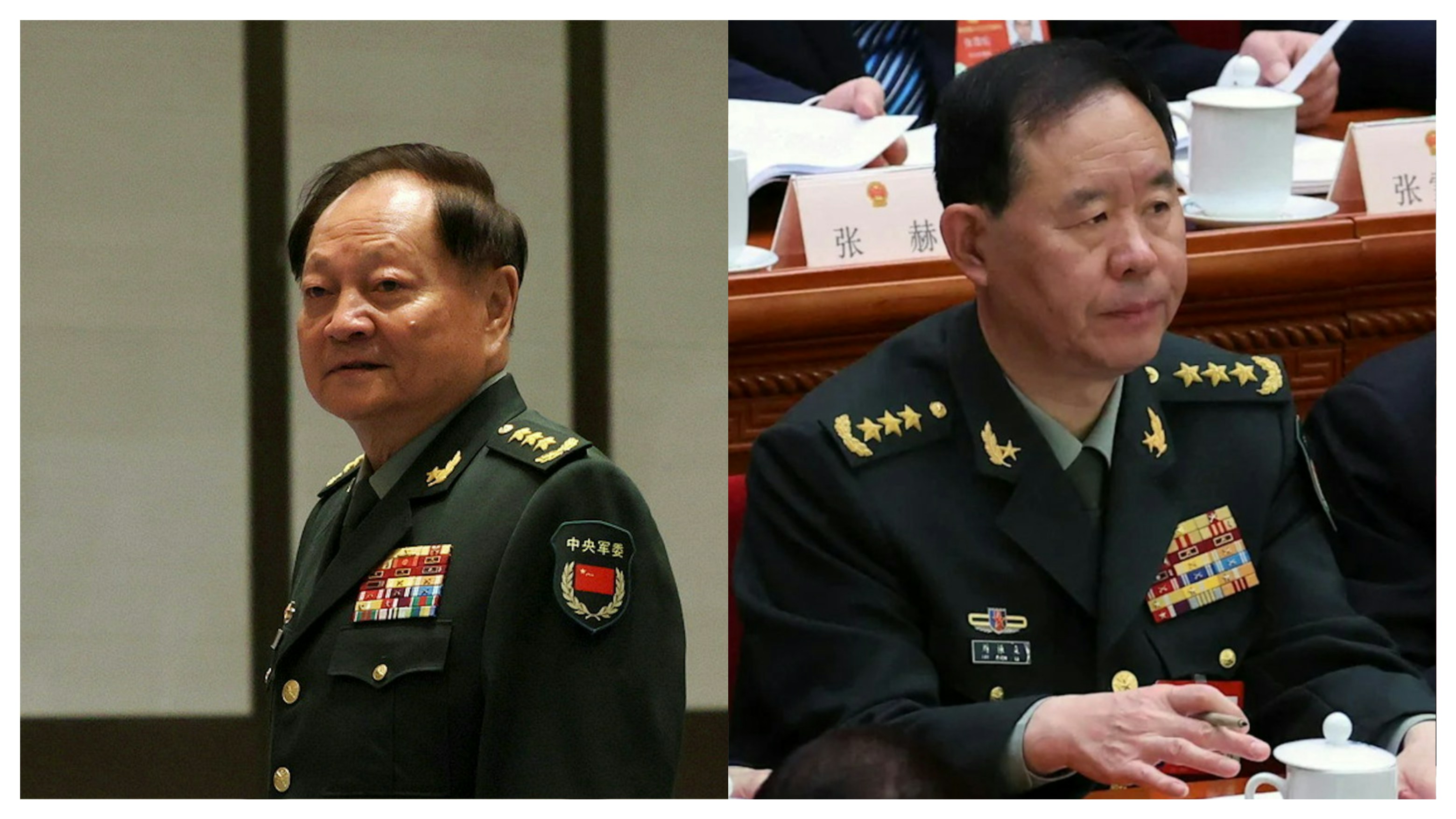
Occurred September 23: Chinese military authorities investigated Zhang Youxia and Liu Zhenli; the target field names Zhang Youxia.
Occurred September 23: Chinese military authorities investigated Zhang Youxia and Liu Zhenli; the target field names Zhang Youxia.
Footnotes[12]
Occurred September 23: the Chinese government expelled Zhang Youxia and Liu Zhenli; the target field names Zhang Youxia.
Occurred September 23: the Chinese government expelled Zhang Youxia and Liu Zhenli; the target field names Zhang Youxia.
Footnotes[11]
Occurred September 25: the Chinese Communist Party expelled Zhang Youxia and Liu Zhenli; the target field names Zhang Youxia.
Occurred September 25: the Chinese Communist Party expelled Zhang Youxia and Liu Zhenli; the target field names Zhang Youxia.
Footnotes[10]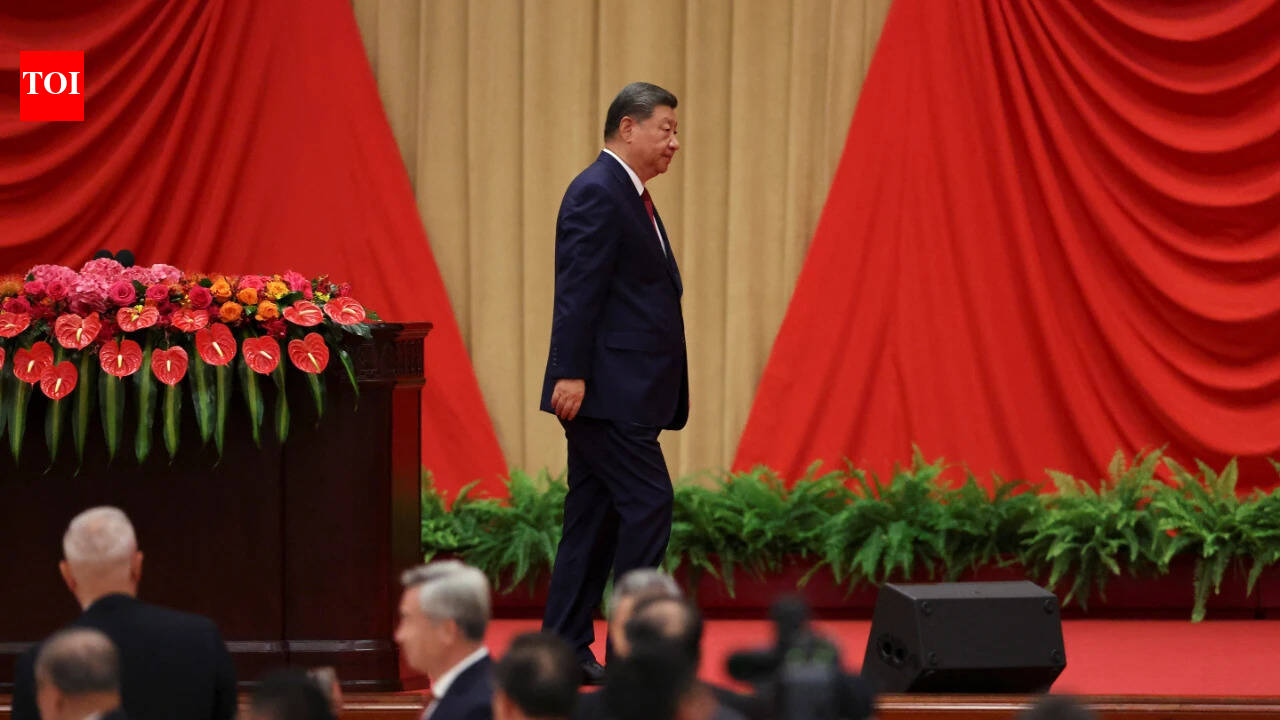
Occurred October 28: the Central Committee of the Chinese Communist Party made a public statement adopting a discipline decision.
Occurred October 28: the Central Committee of the Chinese Communist Party made a public statement adopting a discipline decision.
Footnotes[16]
Occurred November 1: Xi Jinping made a public statement emphasizing rigorous self-governance within the Communist Party of China.
Occurred November 1: Xi Jinping made a public statement emphasizing rigorous self-governance within the Communist Party of China.
Footnotes[13]Evidenced relationships involving significant participants beyond the central cast.
The Event binds the Party as its source actor.
The Event binds the Central Committee as its source actor.
The Event binds Xi Jinping as its source actor.
The Event binds the Party as its target.
The headline reports alleged corruption; the Event separately dates the government expulsion to September 23.
This edition freezes the complete served membership and analysis available through its UTC cutoff. Later repairs or identity changes do not rewrite what this edition showed.
Stories are reporting clusters. Events are coded occurrences within that reporting. The cast contains 41 canonical people and organizations linked to the retained evidence.
Story-to-Event edges identify supporting reporting. Entity-to-Event edges identify recorded actor or target participation. Mentions and analytical roles stay visibly distinct from recorded participation.
Core, precursor, and continuation labels organize the reading. They do not by themselves establish causation. Collapsed graph groups and paginated evidence change presentation only; counts use the complete retained edition.