
Significance
5 measured / 5 eligible · 0 missing · 0 not applicable
score (0 to 1) · Event-level distribution, not a Situation risk score.
across all 5 events
Iran presented terms to restart talks and end the war with the United States in “Iran presents terms to restart talks and end war with the United States,” reported on 2026-09-19. Related reporting described Iran setting seven conditions for talks with the United States and warning that NPT withdrawal could follow U.S. behavior.
Footnotes[6][1][8]The cited events show negotiation demands, diplomatic mediation and security activity, but they do not establish that talks resumed, that an attack occurred, or that conflict intensity changed. The retained coded events are all political CAMEO+ events, and no conflict-family event or fatality count is supplied; the absence of a fatality count therefore does not establish that no fatalities occurred.
Footnotes[14][15][16][9][10][7][5]As-of explanation captured 2026-09-20 · Evidence through 2026-09-20 UTC
A 2-day Situation represented by 5 coded Events carried across 7 member Stories.
The coded activity is led by 01 · Make Public Statement (1) and 027 · Appeal to Settle Dispute (1).
United States Central Command is prominent in the retained actor and relationship evidence.
21 canonical Entities are linked to this edition.
Metric coverage. 5 coded Events · 5 CAMEO+ · 0 conflict. The four dimensions describe the CAMEO+ subset; conflict Events do not carry these scores.
Dot = mean · shaded span = observed range · position uses each metric’s defined scale.
How the coder scored the full retained Event set
5 coded events — 5 CAMEO+ (5 political)
Quad class over those 5 events · Verbal Conflict 2 · Verbal Cooperation 2 · Material Cooperation 1. No conflict-family event here, so nothing carries a fatality count — a missing column, not a toll of zero.
5 measured / 5 eligible · 0 missing · 0 not applicable
score (0 to 1) · Event-level distribution, not a Situation risk score.
across all 5 events
5 measured / 5 eligible · 0 missing · 0 not applicable
score (0 to 10) · Event-level distribution, not a Situation risk score.
across all 5 events — every one of them CAMEO+
5 measured / 5 eligible · 0 missing · 0 not applicable
score (0 to 1) · Event-level distribution, not a Situation risk score.
across all 5 events — every one of them CAMEO+
5 measured / 5 eligible · 0 missing · 0 not applicable
score (0 to 1) · Event-level distribution, not a Situation risk score.
across all 5 events — every one of them CAMEO+
5 measured / 5 eligible · 0 missing · 0 not applicable
score (0 to 1) · Event-level distribution, not a Situation risk score.
across all 5 events — every one of them CAMEO+
5 measured / 5 eligible · 0 missing · 0 not applicable
score (-10 to 10) · Event-level distribution, not a Situation risk score.
across the 5 of 5 events Goldstein is defined on — CAMEO+ POLITICAL and the conflict family; the other nine CAMEO+ domains have no Goldstein semantics
5 measured / 5 eligible · 0 missing · 0 not applicable
score (0 to 1) · Event-level distribution, not a Situation risk score.
across all 5 events
This retained edition, independent of graph and page limits. Different dimensions, not a blended risk score; reported tolls may overlap.
2026-09-20analystlatest
Conditions, mediation and further security-related reporting
Iran gave the United States conditions to resume negotiations, and Turkey sent proposals to the United States and Iran to end the war. The timeline data show a reporting-story delta of five, an article-appearance delta of minus 28 and a coded-event delta of one from 2026-09-19; these are changes in retained evidence composition, not measured changes in real-world intensity.
What kind of event · 5 coded types
over 5 coded events on this edition
Countries · who is acting
Selected from the complete retained edition
Iran presented terms for restarting talks and ending the war, then was described as setting seven conditions while warning of possible NPT withdrawal after U.S. behavior.
United States Central Command escorted oil tankers through the Strait of Hormuz, while separate reporting described a broad U.S. security warning and Donald Trump considering a massive attack on Iran.
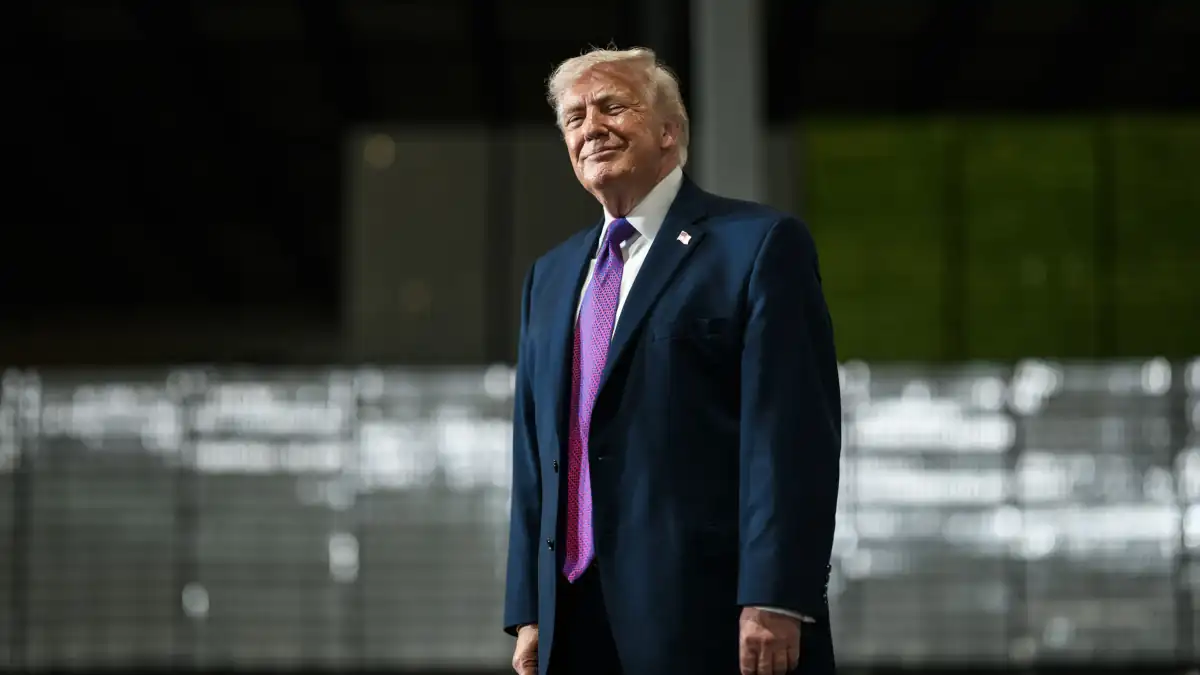
Iran warned that NPT withdrawal could follow U.S. behavior; the event is coded as a threat to break relations with the United States.
Iran warned that NPT withdrawal could follow U.S. behavior; the event is coded as a threat to break relations with the United States.
Footnotes[8]Iran gave the United States conditions to resume war negotiations; the event is coded as a demand that the target yield.
Iran gave the United States conditions to resume war negotiations; the event is coded as a demand that the target yield.
Footnotes[9]
Turkey sent proposals to the United States and Iran to end the war; the event is coded as an appeal to settle the dispute.
Turkey sent proposals to the United States and Iran to end the war; the event is coded as an appeal to settle the dispute.
Footnotes[10]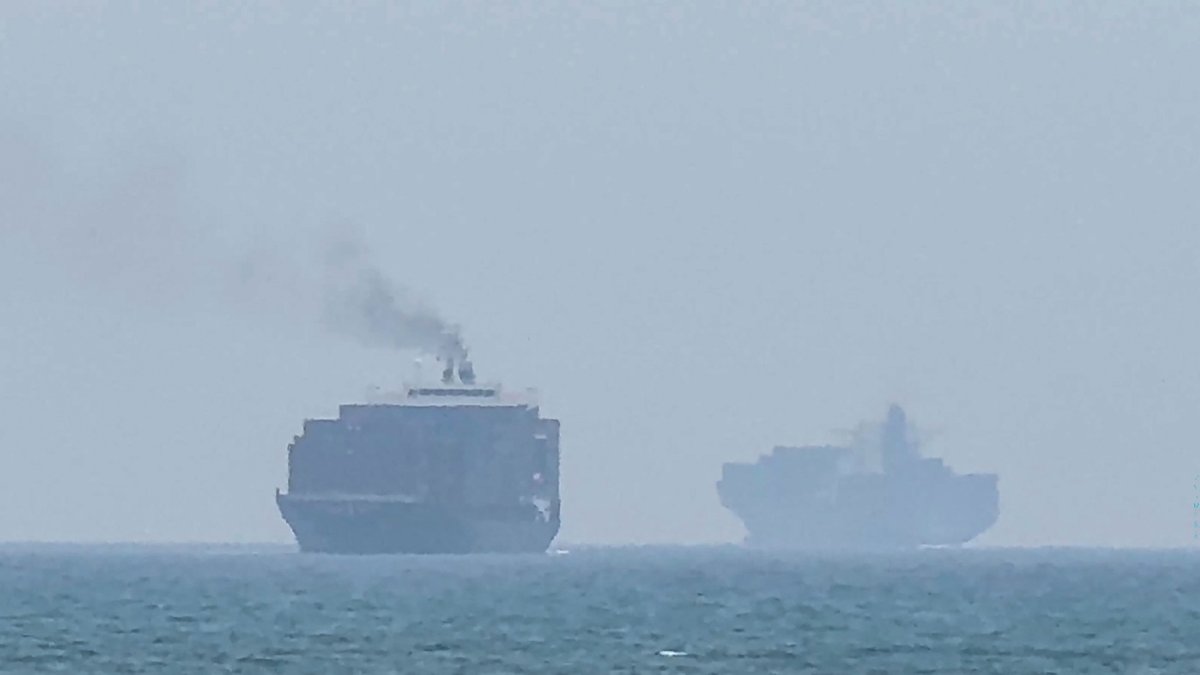
United States Central Command escorted oil tankers through the Strait of Hormuz, providing military protection for commercial vessels.
Evidenced relationships involving significant participants beyond the central cast.
The two Story records are explicitly linked as duplicates, with the 2026-09-19 story serving as the anchor for the 2026-09-20 story.
The Story is linked to the coded event describing Iran’s warning to the United States.
The Story is linked to the coded event describing Iran’s demand that the United States yield.
United States Central Command is the recorded source actor for the tanker-escort event.
Donald Trump is linked to the Story as a mentioned person; the supplied entity record shows no recorded Event participation.
This edition freezes the complete served membership and analysis available through its UTC cutoff. Later repairs or identity changes do not rewrite what this edition showed.
Stories are reporting clusters. Events are coded occurrences within that reporting. The cast contains 21 canonical people and organizations linked to the retained evidence.
Story-to-Event edges identify supporting reporting. Entity-to-Event edges identify recorded actor or target participation. Mentions and analytical roles stay visibly distinct from recorded participation.
Core, precursor, and continuation labels organize the reading. They do not by themselves establish causation. Collapsed graph groups and paginated evidence change presentation only; counts use the complete retained edition.