
Significance
18 measured / 18 eligible · 0 missing · 0 not applicable
score (0 to 1) · Event-level distribution, not a Situation risk score.
across all 18 events
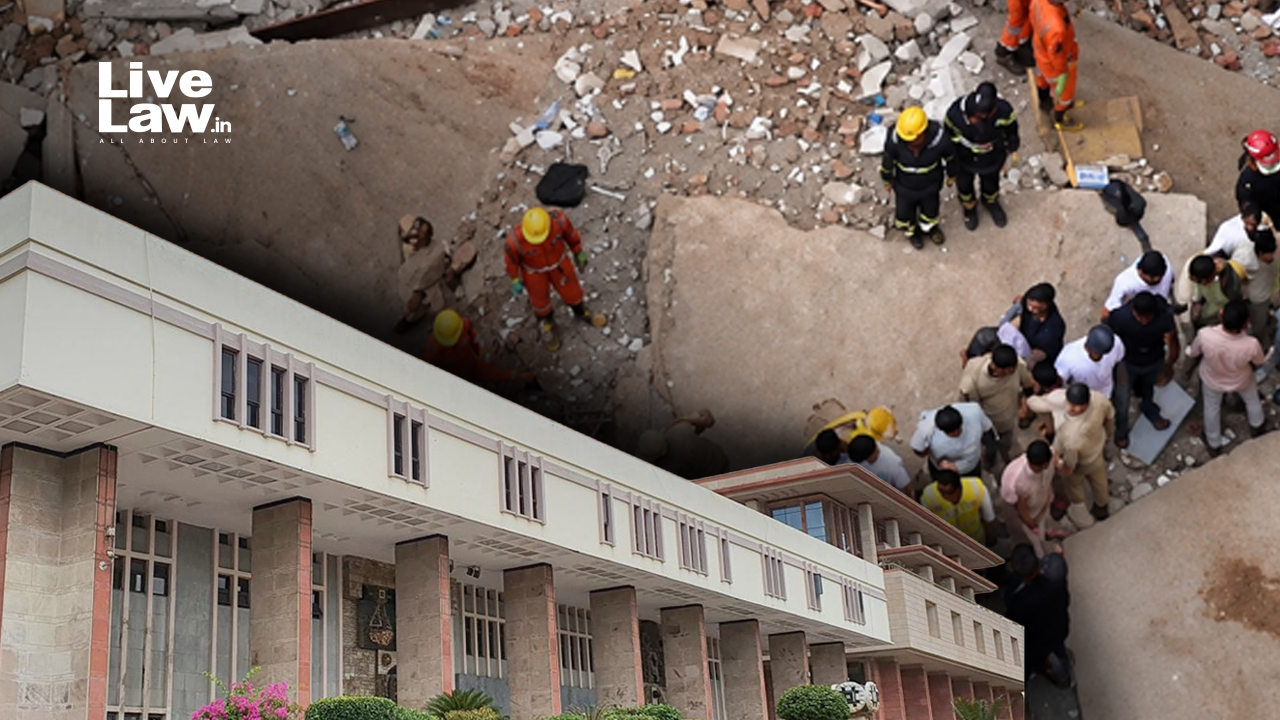
On 6 September 2026, “House collapse in Delhi's Satya Niketan; people feared trapped” reported the collapse, while “Satya Niketan residents report unsafe construction” reported residents’ concerns; a separate Event names Akhil Bharatiya Vidyarthi Parishad members protesting at Delhi civic headquarters that day. On 7 September, “India teams search for survivors after Delhi building collapse kills six” reported six deaths, and Delhi Police investigated the collapse. On 8 September, Patiala House Court sent Gupta family members into custody, naming Hariram Gupta as the target. On 10 September, the Supreme Court of India sought reports from civic authorities on building-law violations. On 15 September, Delhi’s chief minister announced a hostel plan for 10,000 students, while the Delhi Government expressed intent to create student-housing and PG-registration portals. Delhi University Students’ Union urged the Delhi government to build hostels on 29 September; its appeal for hostels and women’s safety was reported in “DUSU urges Delhi government to build hostels and improve women's safety” on 30 September. Lieutenant Governor Taranjit Singh Sandhu directed Delhi Police to strengthen campus-safety measures on 5 October, and the Delhi government announced a PG-safety portal and inspections on 8 October. On 20 October, “Delhi MCD says only 53 of 2,457 PGs submitted safety certificates”報
Footnotes[17][18][22][35][16][27][36][25][37][20][38][9]The collapse sits at the intersection of the criminal investigation and court scrutiny, reports about safety and oversight, and Delhi’s stated student-housing and campus-safety measures. The account does not establish that every announced plan or portal was implemented: a 14 October report says Delhi University approved a ₹5,889-crore hostel plan for 21,895 students, while the portal reports describe plans rather than confirming launch. The October certificate headline concerns submissions, not a complete safety assessment. Collapse coverage reports differing figures—six deaths, five student deaths, and seven deaths—and does not reconcile them. The MCD headlines about visibly dangerous buildings and fire-safety clearance describe different measures and are not directly comparable. “Delhi LG forms committee to address hostel shortage and student housing” is linked to coverage whose article headlines concern collapse warnings, but separate records support the committee development: an Event dates the LG’s panel formation to 10 September, and a 15 September report says the education minister chaired its first meeting.
Footnotes[27][25][20][9][23][28][29][49][16][11][6][14]Explanation originally captured 2026-10-25 · Evidence through 2026-10-26 UTC · Source edition sed_a23c2bbdd6bc486334ff012219ccb700
A 51-day Situation represented by 18 coded Events carried across 42 member Stories.
The coded activity is led by 01 · Make Public Statement (3) and 111 · Criticize or Denounce (2).
Akhil Bharatiya Vidyarthi Parishad, Delhi Police, and Ashish Sood are prominent in the retained actor and relationship evidence.
132 canonical Entities are linked to this edition.
Metric coverage. 18 coded Events · 16 CAMEO+ · 2 conflict. The four dimensions describe the CAMEO+ subset; conflict Events do not carry these scores.
Dot = mean · shaded span = observed range · position uses each metric’s defined scale.
How the coder scored the full retained Event set
18 coded events — 16 CAMEO+ (13 political) · 2 conflict
Quad class over those 15 events · Verbal Cooperation 7 · Verbal Conflict 6 · Material Conflict 2. 3 sit outside POLITICAL, where Goldstein and quad class are undefined. The four CAMEO+ scores are over the 16 CAMEO+ events only; the 2 conflict events have no such column.
18 measured / 18 eligible · 0 missing · 0 not applicable
score (0 to 1) · Event-level distribution, not a Situation risk score.
across all 18 events
16 measured / 16 eligible · 0 missing · 2 not applicable
score (0 to 10) · Event-level distribution, not a Situation risk score.
across the 16 of 18 events coded in the CAMEO+ family; the conflict family has no such column
16 measured / 16 eligible · 0 missing · 2 not applicable
score (0 to 1) · Event-level distribution, not a Situation risk score.
across the 16 of 18 events coded in the CAMEO+ family; the conflict family has no such column
16 measured / 16 eligible · 0 missing · 2 not applicable
score (0 to 1) · Event-level distribution, not a Situation risk score.
across the 16 of 18 events coded in the CAMEO+ family; the conflict family has no such column
16 measured / 16 eligible · 0 missing · 2 not applicable
score (0 to 1) · Event-level distribution, not a Situation risk score.
across the 16 of 18 events coded in the CAMEO+ family; the conflict family has no such column
15 measured / 15 eligible · 0 missing · 3 not applicable
score (-10 to 10) · Event-level distribution, not a Situation risk score.
across the 15 of 18 events Goldstein is defined on — CAMEO+ POLITICAL and the conflict family; the other nine CAMEO+ domains have no Goldstein semantics
2 measured / 2 eligible · 0 missing · 16 not applicable
reported people · Reports may overlap; these are Event-level reports, not an additive unique human toll.
across the 2 of 18 events that report a toll — the conflict family only, and never 0 on a CAMEO+ event
18 measured / 18 eligible · 0 missing · 0 not applicable
score (0 to 1) · Event-level distribution, not a Situation risk score.
across all 18 events
This retained edition, independent of graph and page limits. Different dimensions, not a blended risk score; reported tolls may overlap.
2026-10-25from the recordslatest
Delhi Chief Minister Rekha Gupta reiterates plan for 10,000 hostel rooms
1 Story and 1 coded Event (0 / +1 against the day before). Widest coverage: Delhi CM Rekha Gupta pledges 10,000 hostel rooms for students (1 articles).
What kind of event · 13 coded types
over 18 coded events on this edition
Countries · where it happened
Countries · who is acting
Selected from the complete retained edition
The collapse coverage, Delhi Police investigation, custody proceeding and later police and High Court accounts make this the central event-and-accountability thread.
Delhi officials announced or directed hostel, housing-portal, inspection and campus-safety measures, while student representatives urged hostel construction and better women’s safety.
Events name ABVP members as protest actors and Delhi Police as target on 5 and 6 September; shared Story links with collapse coverage do not establish that the protests caused or followed from the collapse.
Akhil Bharatiya Vidyarthi Parishad members were named as protest actors at Delhi civic headquarters on 5 and 6 September.
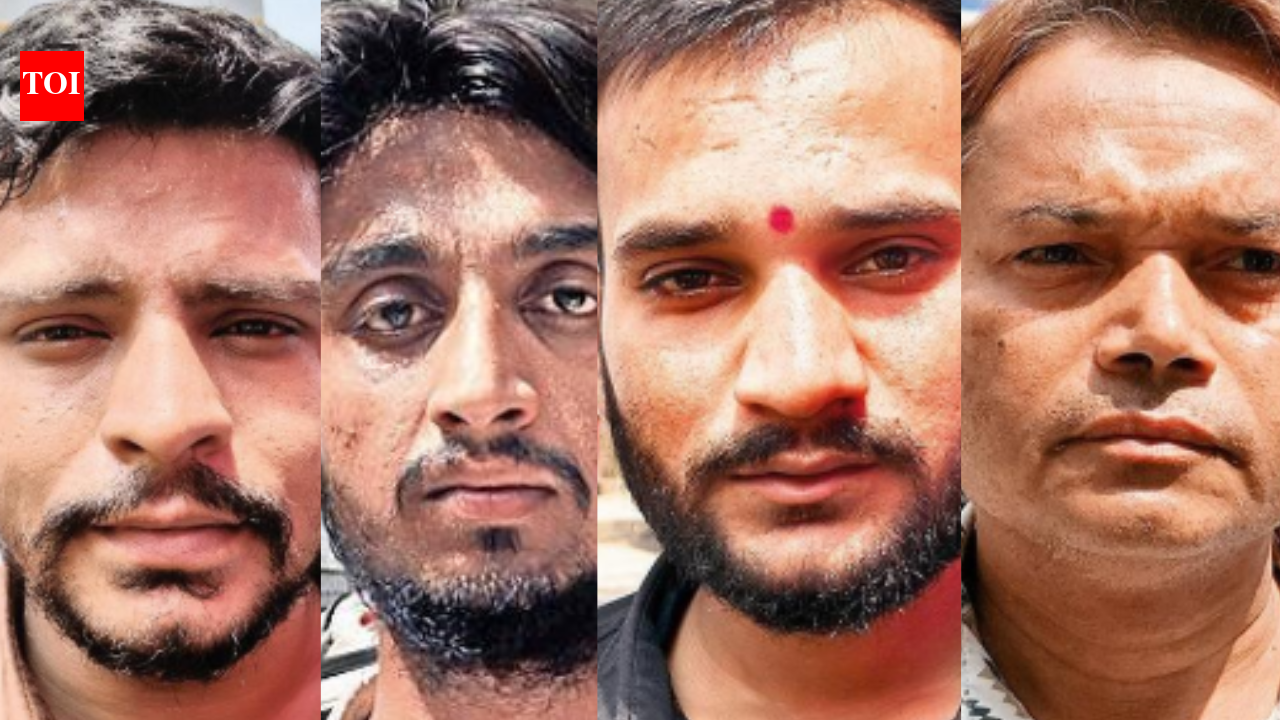
On 8 September, Patiala House Court sent Gupta family members into custody and named Hariram Gupta as the target.

On 10 September, the Supreme Court of India sought reports from civic authorities on building-law violations.
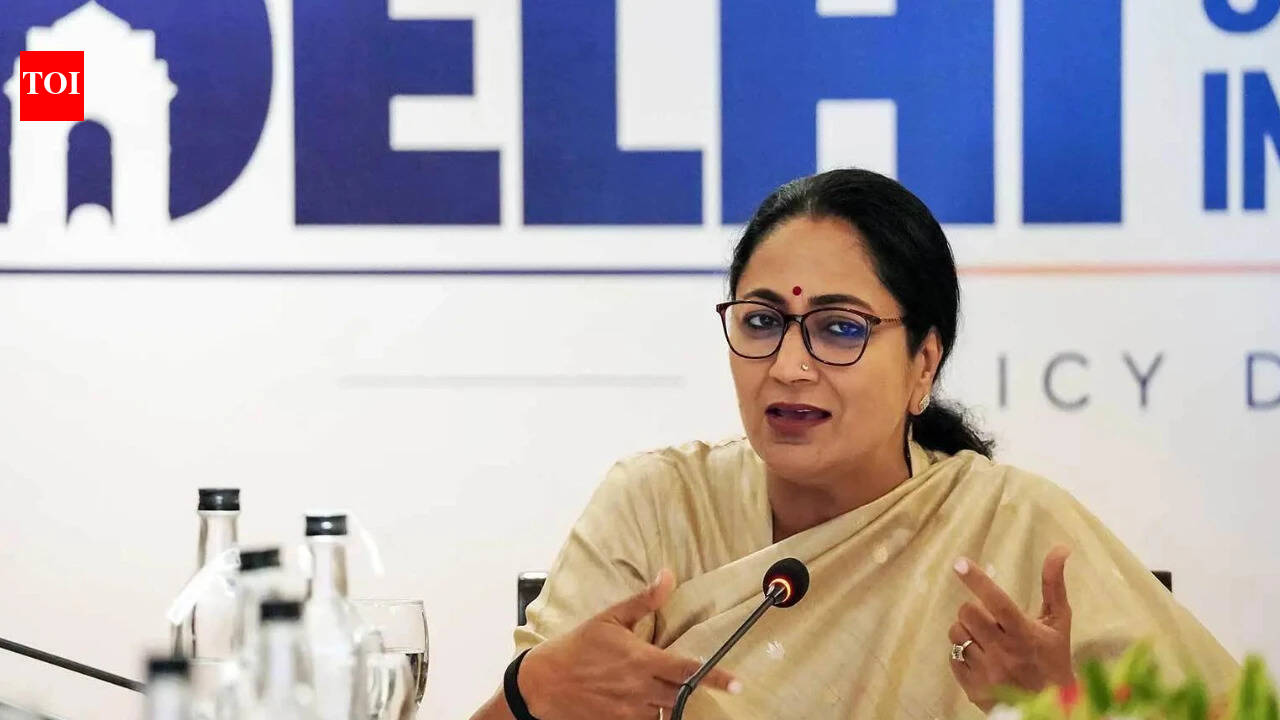
On 15 September, the Delhi Government expressed intent to create portals to map student housing and register PGs.
Evidenced relationships involving significant participants beyond the central cast.
The Event names ABVP as actor and Delhi Police as target.
The Event names ABVP as actor and Delhi Police as target.
The Event names Delhi Police as the investigation actor.
The Event names Delhi Police as the direction’s target.
The Authority is associated with the housing Story and has no supporting Events.
This edition freezes the complete served membership and analysis available through its UTC cutoff. Later repairs or identity changes do not rewrite what this edition showed.
Stories are reporting clusters. Events are coded occurrences within that reporting. The cast contains 132 canonical people and organizations linked to the retained evidence.
Story-to-Event edges identify supporting reporting. Entity-to-Event edges identify recorded actor or target participation. Mentions and analytical roles stay visibly distinct from recorded participation.
Core, precursor, and continuation labels organize the reading. They do not by themselves establish causation. Collapsed graph groups and paginated evidence change presentation only; counts use the complete retained edition.