
Significance
31 measured / 31 eligible · 0 missing · 0 not applicable
score (0 to 1) · Event-level distribution, not a Situation risk score.
across all 31 events
On September 18, Donald Trump announced what he called a Greenland security agreement; on September 19, “Trump announces US-Denmark deal to expand military presence in Greenland” reported his announcement of a U.S.-Denmark military deal. On September 19, Trump threatened tariffs on European countries sending troops to Greenland, Marco Rubio blamed Denmark for a Greenland security-funding shortfall, and U.S. engineers inspected a former base in southern Greenland. On September 20, Mette Frederiksen met Trump and NATO endorsed the U.S.-Denmark deal. September 22 reporting and a coded Event describe the agreement as signed that day; reports dated September 23 and 24 also describe a signing, as does a coded Event dated September 24. These differing dates do not establish multiple signings. Trump said the United States planned two bases; “Trump says US will build two major military bases in Greenland” reported that plan on September 23. On October 12, Naleraq called for a referendum; in October, Donald Trump denied plans to send troops to attack Greenland and Denmark disputed his claim to preferential Greenland mineral rights. On November 1, “Trump portrays Greenland as a giant US military base, drawing fierce criticism” described political fallout from Trump’s characterization.
Footnotes[34][57][27][15][58][25][30][24][18][17][45][31]The announcements and reports of expanded military presence, basing plans and a signing establish competing descriptions of a security arrangement, not a settled transfer of Greenland’s sovereignty. “US and Denmark agree to permanent American security control over Greenland” contrasts with “Denmark says its red lines respected in US-Greenland security deal”; neither headline resolves the agreement’s precise legal terms. Trump’s two-base statement was a plan, not proof that bases were built. Reports published September 22 described a signing at the UN; further signing accounts are dated September 23 and a coded Event records a pact dated September 24. These differing dates do not by themselves establish separate signings or settle the date of execution. Naleraq’s referendum demand and the Danish parliament’s subsequent consideration show political contestation, but do not establish Greenland-wide consent or opposition. Denmark’s dispute over Trump’s mineral-rights claim and his denial of plans to use force remain attributed positions, not resolution of the sovereignty dispute. The November 1 headline describes criticism of Trump’s characterization; it does not establish a change in Greenland’s status.
Footnotes[22][39][8][11][14][10][7][35][28][44][42][37]Explanation originally captured 2026-11-03 · Evidence through 2026-11-04 UTC · Source edition sed_ec0f4b8d7e4f1fbdb70818060e848b13
A 52-day Situation represented by 31 coded Events carried across 124 member Stories.
The coded activity is led by 01 · Make Public Statement (7) and 014 · Consider Policy Option (2).
Donald Trump, Mette Frederiksen, and NATO are prominent in the retained actor and relationship evidence.
143 canonical Entities are linked to this edition.
Metric coverage. 31 coded Events · 30 CAMEO+ · 1 conflict. The four dimensions describe the CAMEO+ subset; conflict Events do not carry these scores.
Dot = mean · shaded span = observed range · position uses each metric’s defined scale.
How the coder scored the full retained Event set
31 coded events — 30 CAMEO+ (30 political) · 1 conflict
Quad class over those 31 events · Verbal Cooperation 21 · Verbal Conflict 5 · Material Conflict 3 · Material Cooperation 2. The four CAMEO+ scores are over the 30 CAMEO+ events only; the 1 conflict events have no such column.
31 measured / 31 eligible · 0 missing · 0 not applicable
score (0 to 1) · Event-level distribution, not a Situation risk score.
across all 31 events
30 measured / 30 eligible · 0 missing · 1 not applicable
score (0 to 10) · Event-level distribution, not a Situation risk score.
across the 30 of 31 events coded in the CAMEO+ family; the conflict family has no such column
30 measured / 30 eligible · 0 missing · 1 not applicable
score (0 to 1) · Event-level distribution, not a Situation risk score.
across the 30 of 31 events coded in the CAMEO+ family; the conflict family has no such column
30 measured / 30 eligible · 0 missing · 1 not applicable
score (0 to 1) · Event-level distribution, not a Situation risk score.
across the 30 of 31 events coded in the CAMEO+ family; the conflict family has no such column
30 measured / 30 eligible · 0 missing · 1 not applicable
score (0 to 1) · Event-level distribution, not a Situation risk score.
across the 30 of 31 events coded in the CAMEO+ family; the conflict family has no such column
31 measured / 31 eligible · 0 missing · 0 not applicable
score (-10 to 10) · Event-level distribution, not a Situation risk score.
across the 31 of 31 events Goldstein is defined on — CAMEO+ POLITICAL and the conflict family; the other nine CAMEO+ domains have no Goldstein semantics
1 measured / 1 eligible · 0 missing · 30 not applicable
reported people · Reports may overlap; these are Event-level reports, not an additive unique human toll.
across the 1 of 31 events that report a toll — the conflict family only, and never 0 on a CAMEO+ event
31 measured / 31 eligible · 0 missing · 0 not applicable
score (0 to 1) · Event-level distribution, not a Situation risk score.
across all 31 events
This retained edition, independent of graph and page limits. Different dimensions, not a blended risk score; reported tolls may overlap.
2026-11-04from the recordslatest
Greenland approves security deal with Denmark and US after Trump pressure
4 Stories and 0 coded Events (-1 / -1 against the day before). Widest coverage: Greenland approves security deal with Denmark and US after Trump pressure (22 articles).
What kind of event · 18 coded types
over 31 coded events on this edition
Countries · where it happened
Countries · who is acting
Selected from the complete retained edition
Trump’s announcements, accounts of military authority and basing, and differing signing dates define the central dispute.
Donald Trump announced the claimed security agreement and the U.S.-Denmark military deal, said the United States planned two bases, threatened tariffs, and denied plans to attack Greenland.
Lars Løkke Rasmussen met Rubio and presented the defense agreement to the Danish parliament; he also said NATO would oversee Arctic security.

On September 17, U.S. Northern Command surveyed Narsarsuaq airfield; “US military engineers conduct technical surveys in Greenland” reported the survey.


On September 19, Trump announced a U.S.-Denmark military deal for Greenland; “Trump announces US-Denmark deal to expand military presence in Greenland” reported the announcement.
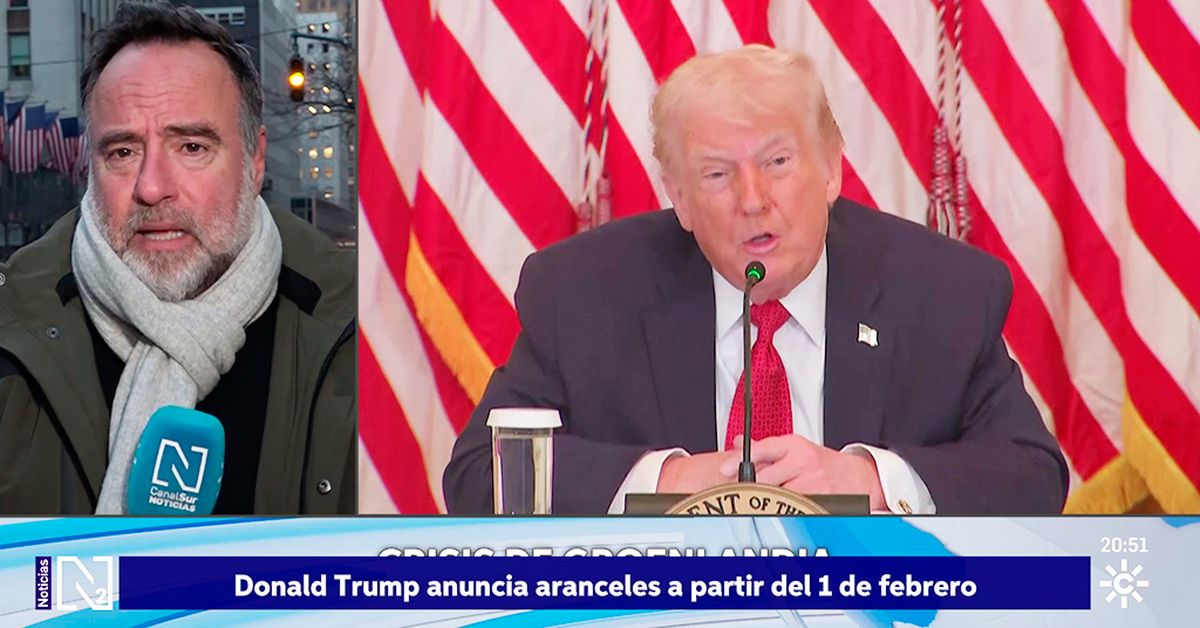
On September 20, Mette Frederiksen met Donald Trump; “After Greenland deal, Denmark's Frederiksen meets Trump” reported the meeting.
Evidenced relationships involving significant participants beyond the central cast.
The Event binds Rubio as source actor and Rasmussen as target.
The Event binds NATO as source actor and the United States as target.
Trump’s announcements, accounts of military authority and basing, and differing signing dates define the central dispute.
Footnotes[34][27][22][39][15][10][7][35]Frederiksen met Trump, NATO endorsed the deal, and Rasmussen said NATO would oversee Arctic security.
Footnotes[45][31][36][12][13][11]Trump threatened tariffs over troop deployments to Greenland, and Rubio criticized Denmark over security funding.
Footnotes[25][30][18][15]Naleraq called for a referendum on the security agreement.
Footnotes[28][5]Folketing scheduled a first reading, and Rasmussen presented the defense agreement to parliament.
Footnotes[44][2][42][1]Trump denied plans to use military force against Greenland, and Denmark disputed his mineral-rights claim.
Footnotes[40][37][3][4]This edition freezes the complete served membership and analysis available through its UTC cutoff. Later repairs or identity changes do not rewrite what this edition showed.
Stories are reporting clusters. Events are coded occurrences within that reporting. The cast contains 143 canonical people and organizations linked to the retained evidence.
Story-to-Event edges identify supporting reporting. Entity-to-Event edges identify recorded actor or target participation. Mentions and analytical roles stay visibly distinct from recorded participation.
Core, precursor, and continuation labels organize the reading. They do not by themselves establish causation. Collapsed graph groups and paginated evidence change presentation only; counts use the complete retained edition.