
Significance
20 measured / 20 eligible · 0 missing · 0 not applicable
score (0 to 1) · Event-level distribution, not a Situation risk score.
across all 20 events
Libya’s Benghazi-based parliament ratified the maritime memorandum with Turkey, according to “Libya's Benghazi-based parliament ratifies maritime memorandum with Turkey” and “Libyan parliament ratifies Turkey maritime deal, EU calls it invalid”; a separate coded approval Event is dated 23 October. On 21 October, Turkish Parliament Speaker Numan Kurtulmuş welcomed the approval and dismissed objections to the memorandum. On 22 October, the European Union condemned the ratification. Coverage dated 22 October reported that Greece raised the dispute at the UN Security Council, though a later coded record dates that intervention 24 October. Greece and Egypt agreed to continue talks on their exclusive economic zone boundary. Egypt’s condemnation of the agreement was reported on 22 October, while a separate coded denunciation is dated 23 October. On 23 October, Egypt and Turkey discussed Libya amid the maritime dispute, and Greece sent a letter to the United Nations after the Libyan vote. On 24 October, Turkey presented Egypt with a new maritime-boundary proposal, while the Greek Foreign Ministry rejected the Turkey-Libya agreement. These diplomatic moves are described in “Egypt rejects Turkey-Libya maritime deal in talks with Fidan,” “Greece sends UN letter after Libya parliament approves Turkey-Libya memorandum,” and “Turkey presents Egypt with new proposal on maritime boundary demarcation.”
Footnotes[14][10][23][21][18][19][11][22][16][20][25][5]The dispute is shaped by the Libyan parliament’s approval and conflicting positions on the memorandum: Kurtulmuş welcomed it, while the European Union condemned the ratification and Egypt denounced the agreement. Greece’s Security Council intervention and letter to the United Nations are separate diplomatic actions; the United States’ reported calls for dialogue likewise do not establish an agreement among the parties. Greece and Egypt agreed to continue EEZ talks, but that does not establish completed delimitation. Turkey’s maritime-boundary proposal to Egypt is reported as a proposal, not an accepted agreement. The opposing statements and diplomatic initiatives do not establish a legal resolution of the memorandum’s status.
Footnotes[21][19][20][11][25][15][22][13][24][2][10]Explanation originally captured 2026-10-25 · Evidence through 2026-10-25 UTC · Source edition sed_449a4784b2db9873710519ae540e49c9
A 5-day Situation represented by 20 coded Events carried across 40 member Stories.
The coded activity is led by 111 · Criticize or Denounce (6) and 01 · Make Public Statement (3).
Numan Kurtulmuş, European Union, and United Nations are prominent in the retained actor and relationship evidence.
82 canonical Entities are linked to this edition.
Metric coverage. 20 coded Events · 19 CAMEO+ · 1 conflict. The four dimensions describe the CAMEO+ subset; conflict Events do not carry these scores.
Dot = mean · shaded span = observed range · position uses each metric’s defined scale.
How the coder scored the full retained Event set
20 coded events — 19 CAMEO+ (19 political) · 1 conflict
Quad class over those 20 events · Verbal Cooperation 10 · Verbal Conflict 9 · Material Cooperation 1. The four CAMEO+ scores are over the 19 CAMEO+ events only; the 1 conflict events have no such column.
20 measured / 20 eligible · 0 missing · 0 not applicable
score (0 to 1) · Event-level distribution, not a Situation risk score.
across all 20 events
19 measured / 19 eligible · 0 missing · 1 not applicable
score (0 to 10) · Event-level distribution, not a Situation risk score.
across the 19 of 20 events coded in the CAMEO+ family; the conflict family has no such column
19 measured / 19 eligible · 0 missing · 1 not applicable
score (0 to 1) · Event-level distribution, not a Situation risk score.
across the 19 of 20 events coded in the CAMEO+ family; the conflict family has no such column
19 measured / 19 eligible · 0 missing · 1 not applicable
score (0 to 1) · Event-level distribution, not a Situation risk score.
across the 19 of 20 events coded in the CAMEO+ family; the conflict family has no such column
19 measured / 19 eligible · 0 missing · 1 not applicable
score (0 to 1) · Event-level distribution, not a Situation risk score.
across the 19 of 20 events coded in the CAMEO+ family; the conflict family has no such column
20 measured / 20 eligible · 0 missing · 0 not applicable
score (-10 to 10) · Event-level distribution, not a Situation risk score.
across the 20 of 20 events Goldstein is defined on — CAMEO+ POLITICAL and the conflict family; the other nine CAMEO+ domains have no Goldstein semantics
1 measured / 1 eligible · 0 missing · 19 not applicable
reported people · Reports may overlap; these are Event-level reports, not an additive unique human toll.
across the 1 of 20 events that report a toll — the conflict family only, and never 0 on a CAMEO+ event
20 measured / 20 eligible · 0 missing · 0 not applicable
score (0 to 1) · Event-level distribution, not a Situation risk score.
across all 20 events
This retained edition, independent of graph and page limits. Different dimensions, not a blended risk score; reported tolls may overlap.
2026-10-25from the recordslatest
Libyan House of Representatives ratifies maritime agreement with Turkey
4 Stories and 3 coded Events (-6 / 0 against the day before). Widest coverage: Libya's Dbeibah says country is sovereign, rejects insults to its people (9 articles). Recorded acting: Donald Trump.
What kind of event · 10 coded types
over 20 coded events on this edition
Countries · where it happened
Countries · who is acting
Selected from the complete retained edition
The parliamentary approval, Turkish endorsement, and opposing EU and Egyptian positions define the central dispute.
Greece raised the dispute at the Security Council and sent a letter to the United Nations; Greece and Egypt agreed to continue EEZ talks.
Egypt rejected the memorandum in discussions with Turkey, and Turkey separately presented Egypt with a maritime-boundary proposal.

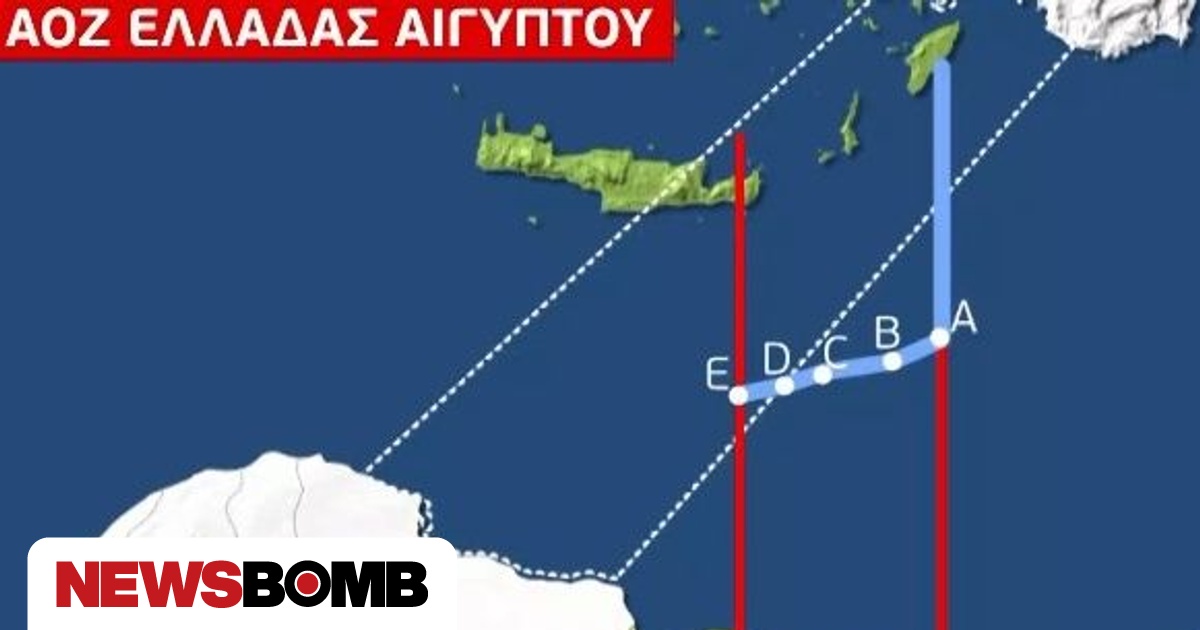

The coded approval Event is dated 23 October; “Libyan parliament approves Turkey-Libya memorandum, hailed as historic step” also reports parliamentary approval.
Evidenced relationships involving significant participants beyond the central cast.
The Event identifies the European Union as its source actor.
The Event identifies Greece as source actor and the United Nations as target.
The Event identifies the European Parliament as the target of the statement.
The Event lists this Story as supporting coverage.
This edition freezes the complete served membership and analysis available through its UTC cutoff. Later repairs or identity changes do not rewrite what this edition showed.
Stories are reporting clusters. Events are coded occurrences within that reporting. The cast contains 82 canonical people and organizations linked to the retained evidence.
Story-to-Event edges identify supporting reporting. Entity-to-Event edges identify recorded actor or target participation. Mentions and analytical roles stay visibly distinct from recorded participation.
Core, precursor, and continuation labels organize the reading. They do not by themselves establish causation. Collapsed graph groups and paginated evidence change presentation only; counts use the complete retained edition.