
Significance
40 measured / 40 eligible · 0 missing · 0 not applicable
score (0 to 1) · Event-level distribution, not a Situation risk score.
across all 40 events
On September 4, federal judge Indira Talwani blocked the Trump administration’s mail-voting restrictions; “US judge extends block on Trump order restricting mail-in voting” reported an extension on September 5. On September 6, the Trump administration appealed to the Supreme Court, and twenty-four states and the District of Columbia sued Donald Trump over his mail-in voting order, as “Trump administration renews Supreme Court bid to limit mail-in voting” and “Court blocks Trump mail voting rules” reported. On September 10, a U.S. appeals court rejected Trump’s restrictions, and Trump issued a mail-voting order; “Trump mail-in ballot order faces hurdles” covered the court challenge. Accounts of Supreme Court action differ: a September 14 Event attributes a rejection to the Court, “U.S. federal judge blocks Postal Service from carrying out Trump's order” names a federal judge, and later Events describe Supreme Court action on September 16 and 18. The Postal Service halted work on a mail-voting system on September 17. Mark Warner challenged the Service’s ballot review, while John Garamendi separately challenged Trump’s mail-voting restrictions in court. In late October, the Justice Department pursued action over California ballots; the Ninth Circuit rejected an administration effort, Monterey County refused a voter-data demand, and Judge David O. Carter rejected a Trump administration ballot request. A San Luis Obispo County official said the DOJ’s noncitizen-voter list wrongly included citizens, as “California county says DOJ noncitizen voter list wrongly includes citizens”…
Footnotes[19][16][26][33][14][15][22][40][13][18][29][10]The September strand combines litigation over federal mail-voting restrictions with separate disputes about Postal Service procedures. It establishes appeals, lawsuits, court actions, a system-work halt, and the Service’s later statement that it was ready to deliver midterm ballots. The added accounts distinguish a Supreme Court rejection reported on September 14–15 from a separate federal judge’s block on September 14; Events dated September 16 and 18 do not establish additional rulings. The California strand concerns Justice Department demands and court proceedings over disputed ballots. A county official said the Department’s list wrongly included citizens, and Monterey County refused a voter-data demand; those claims do not establish that the list was accurate or that noncitizens voted. The California proceedings and September mail-rule litigation are distinct strands, and no supplied connection establishes that one caused the other.
Footnotes[18][29][17][25][10][9][7][5][30][42][2][31]Explanation originally captured 2026-11-01 · Evidence through 2026-11-02 UTC · Source edition sed_499195b877a42dff35950299eedb0e37
A 60-day Situation represented by 40 coded Events carried across 83 member Stories.
The coded activity is led by 01 · Make Public Statement (6) and 111 · Criticize or Denounce (4).
Donald Trump, Supreme Court of the United States, and United States Postal Service are prominent in the retained actor and relationship evidence.
178 canonical Entities are linked to this edition.
Metric coverage. 40 coded Events · 40 CAMEO+ · 0 conflict. The four dimensions describe the CAMEO+ subset; conflict Events do not carry these scores.
Dot = mean · shaded span = observed range · position uses each metric’s defined scale.
How the coder scored the full retained Event set
40 coded events — 40 CAMEO+ (40 political)
Quad class over those 40 events · Verbal Conflict 25 · Verbal Cooperation 14 · Material Cooperation 1. No conflict-family event here, so nothing carries a fatality count — a missing column, not a toll of zero.
40 measured / 40 eligible · 0 missing · 0 not applicable
score (0 to 1) · Event-level distribution, not a Situation risk score.
across all 40 events
40 measured / 40 eligible · 0 missing · 0 not applicable
score (0 to 10) · Event-level distribution, not a Situation risk score.
across all 40 events — every one of them CAMEO+
40 measured / 40 eligible · 0 missing · 0 not applicable
score (0 to 1) · Event-level distribution, not a Situation risk score.
across all 40 events — every one of them CAMEO+
40 measured / 40 eligible · 0 missing · 0 not applicable
score (0 to 1) · Event-level distribution, not a Situation risk score.
across all 40 events — every one of them CAMEO+
40 measured / 40 eligible · 0 missing · 0 not applicable
score (0 to 1) · Event-level distribution, not a Situation risk score.
across all 40 events — every one of them CAMEO+
40 measured / 40 eligible · 0 missing · 0 not applicable
score (-10 to 10) · Event-level distribution, not a Situation risk score.
across the 40 of 40 events Goldstein is defined on — CAMEO+ POLITICAL and the conflict family; the other nine CAMEO+ domains have no Goldstein semantics
40 measured / 40 eligible · 0 missing · 0 not applicable
score (0 to 1) · Event-level distribution, not a Situation risk score.
across all 40 events
This retained edition, independent of graph and page limits. Different dimensions, not a blended risk score; reported tolls may overlap.
2026-11-02from the recordslatest
UCLA finds Trump-backed California voter list flags citizens and nonexistent registrations
2 Stories and 0 coded Events (+1 / 0 against the day before). Widest coverage: UCLA finds Trump-backed California voter list flags citizens and nonexistent registrations (1 articles).
What kind of event · 16 coded types
over 40 coded events on this edition
Countries · where it happened
Countries · who is acting
Selected from the complete retained edition
The Trump administration appealed restrictions, states sued Donald Trump, and court accounts described blocks or rejections; the accounts do not establish a single reconciled sequence of rulings.
The Postal Service watchdog opened a review, Mark Warner and John Garamendi challenged the Service, the Service halted system work, and it later said it was ready to deliver midterm ballots.
Republican attorneys general asked courts to approve Trump’s rules, while Al Schmidt said Pennsylvania mail-ballot laws remained unchanged.
The Ninth Circuit and Judge David O. Carter rejected administration efforts concerning California ballots; county accounts describe demands, objections and Monterey County’s refusal to provide voter data.
The Supreme Court was the target of the Trump administration’s appeal and Georgia Secretary of State Brad Raffensperger’s request concerning mail-ballot rules.
The Postal Service was the target of a watchdog review and challenges by Mark Warner and John Garamendi; it halted system work and later said it was ready to deliver midterm ballots.
Mark Warner acted in a challenge to the Postal Service ballot review.
Mark Warner acted in a challenge to the Postal Service ballot review.
Footnotes[24]John Garamendi acted in a court challenge targeting the Postal Service.
John Garamendi acted in a court challenge targeting the Postal Service.
Footnotes[36]
Occurred September 4: federal judge Indira Talwani blocked the Trump administration’s mail-voting restrictions.
Occurred September 4: federal judge Indira Talwani blocked the Trump administration’s mail-voting restrictions.
Footnotes[19]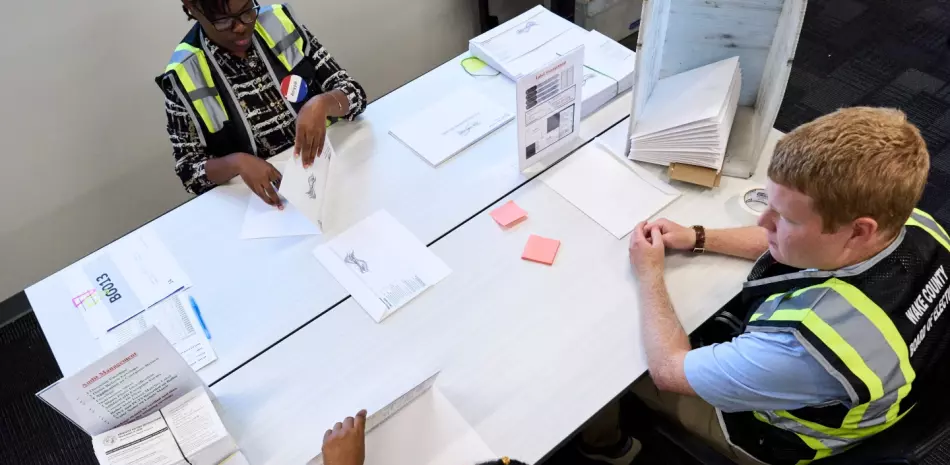
Occurred September 6: the Trump administration appealed mail-ballot restrictions to the Supreme Court.
Occurred September 6: the Trump administration appealed mail-ballot restrictions to the Supreme Court.
Footnotes[26]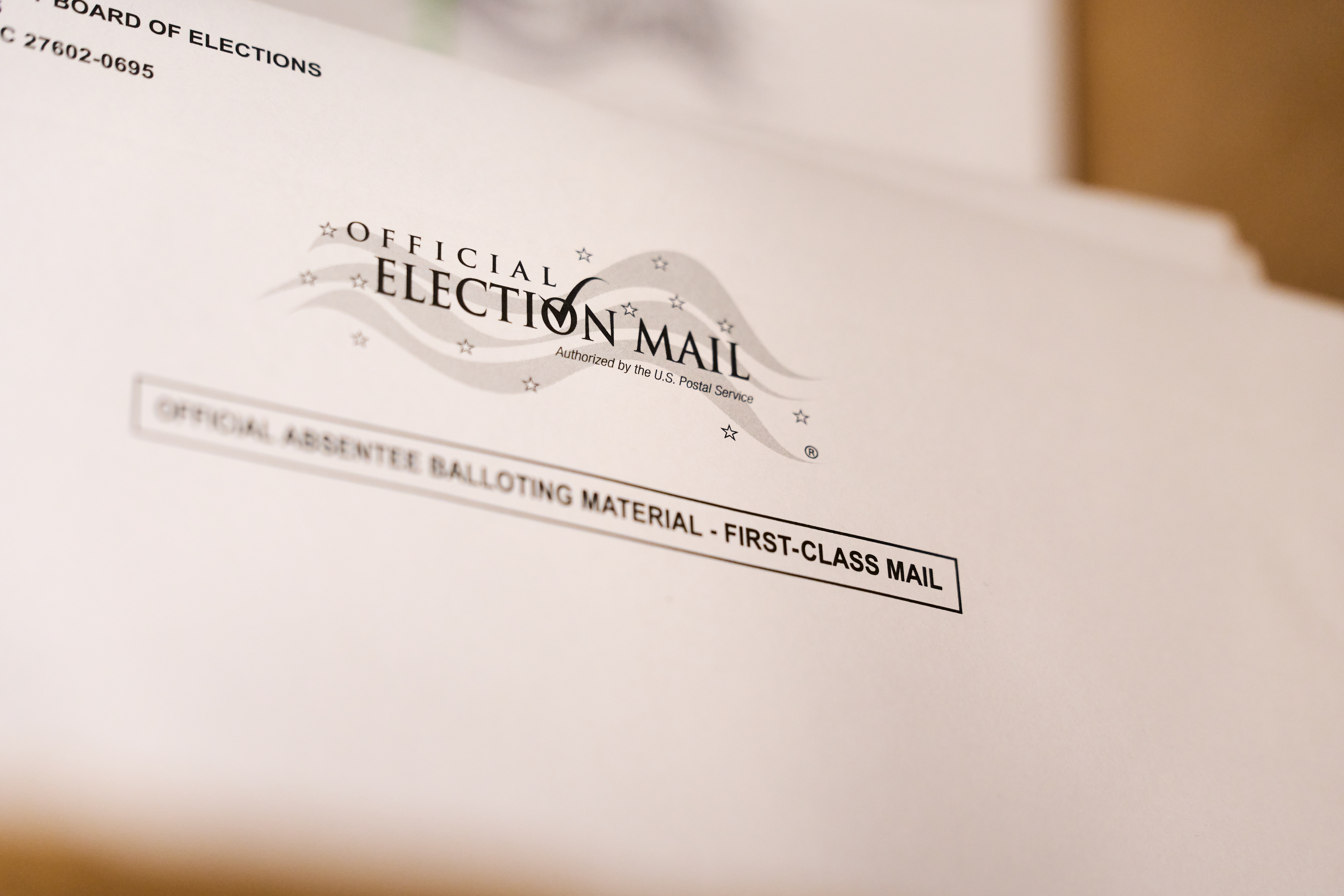
Occurred September 6: twenty-four states and the District of Columbia sued Donald Trump over the mail-in voting order.
Occurred September 6: twenty-four states and the District of Columbia sued Donald Trump over the mail-in voting order.
Footnotes[33]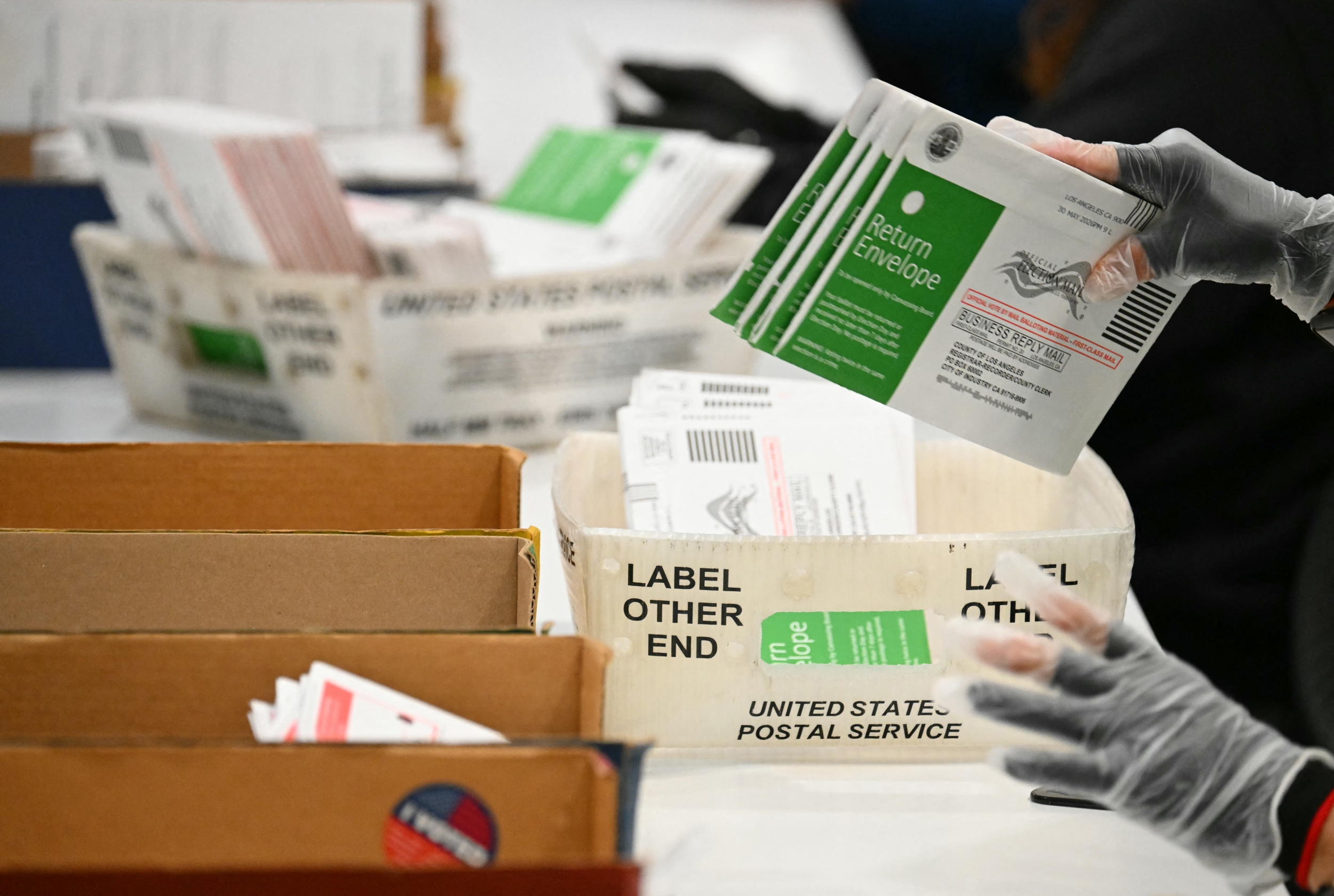
Occurred September 10: a U.S. appeals court rejected Trump’s mail-voting restrictions.
Occurred September 10: a U.S. appeals court rejected Trump’s mail-voting restrictions.
Footnotes[22]
Occurred September 14: the Event attributes rejection of Trump’s bid to the Supreme Court.
Occurred September 14: the Event attributes rejection of Trump’s bid to the Supreme Court.
Footnotes[18]Evidenced relationships involving significant participants beyond the central cast.
The Event names the Supreme Court as the appeal’s target.
The Event names Donald Trump as the lawsuit’s target.
The Event names the Postal Service as the challenge’s target.
The Event names the Justice Department as its target.
The Story headline is “Trump attacks U.S. Supreme Court over midterm election ruling.”
This edition freezes the complete served membership and analysis available through its UTC cutoff. Later repairs or identity changes do not rewrite what this edition showed.
Stories are reporting clusters. Events are coded occurrences within that reporting. The cast contains 178 canonical people and organizations linked to the retained evidence.
Story-to-Event edges identify supporting reporting. Entity-to-Event edges identify recorded actor or target participation. Mentions and analytical roles stay visibly distinct from recorded participation.
Core, precursor, and continuation labels organize the reading. They do not by themselves establish causation. Collapsed graph groups and paginated evidence change presentation only; counts use the complete retained edition.