
Significance
7 measured / 7 eligible · 0 missing · 0 not applicable
score (0 to 1) · Event-level distribution, not a Situation risk score.
across all 7 events
On Sept. 17, the United States expressed intent for military cooperation with Saudi Arabia over a potential F-35 sale, while U.S. intelligence warned of Chinese-espionage risk; “US fears Saudi F-35 sale could expose secret technology to China” appeared that day. Sept. 17 headlines also reported U.S. approval or clearance of a 48-aircraft sale. “Washington approves potential $24.3 billion sale of 48 F-35s to Saudi Arabia,” dated Sept. 18, used potential-sale language. On Sept. 19, Israel demanded U.S. weapons access over the sale, the United States expressed intent to provide Saudi Arabia military aid, and U.S. intelligence criticized the sale; “Israel opposes proposed U.S. F-35 sale to Saudi Arabia” covered these distinct positions. The Saudi Embassy in Washington publicly said the deal strengthened the U.S. partnership. A Sept. 21 Event described U.S.–Saudi military cooperation, while “Trump’s $24.3 billion F-35 deal with Saudi Arabia alarms Israel” appeared that day. Later headlines reported authorization of 50 jets, a China-related obstacle, and a Saudi plan to buy 48. Coverage therefore used differing status language and quantities; these headlines alone do not establish a completed purchase or delivery.
Footnotes[9][12][15][8][11][13][14][6][16][10][4][3]The central thread is a proposed U.S. transfer of F-35s to Saudi Arabia, but reporting on its status was not uniform from the outset: Sept. 17 headlines reported approval or clearance of a 48-aircraft sale, while other coverage used potential-sale language. The Sept. 18 potential-sale headline specifies 48 aircraft; the Sept. 22 authorization headline specifies 50; and the Sept. 28 purchase-plan headline specifies 48. These headlines do not establish a completed purchase or delivery. The China-related headlines describe a risk and an obstacle rather than technology exposure or a halted sale.
Footnotes[12][10][11][13][14][15][16][8][3][1][9][2]Explanation originally captured 2026-11-03 · Evidence through 2026-11-03 UTC · Source edition sed_16756d2f01c0144838d73b58bf6b6405
A 13-day Situation represented by 7 coded Events carried across 19 member Stories.
The coded activity is led by 01 · Make Public Statement (1) and 012 · Pessimistic Comment (1).
🇺🇸United States and 🇮🇱Israel are prominent in the retained actor and relationship evidence.
47 canonical Entities are linked to this edition.
Metric coverage. 7 coded Events · 7 CAMEO+ · 0 conflict. The four dimensions describe the CAMEO+ subset; conflict Events do not carry these scores.
Dot = mean · shaded span = observed range · position uses each metric’s defined scale.
How the coder scored the full retained Event set
7 coded events — 7 CAMEO+ (7 political)
Quad class over those 7 events · Verbal Cooperation 4 · Verbal Conflict 2 · Material Cooperation 1. No conflict-family event here, so nothing carries a fatality count — a missing column, not a toll of zero.
7 measured / 7 eligible · 0 missing · 0 not applicable
score (0 to 1) · Event-level distribution, not a Situation risk score.
across all 7 events
7 measured / 7 eligible · 0 missing · 0 not applicable
score (0 to 10) · Event-level distribution, not a Situation risk score.
across all 7 events — every one of them CAMEO+
7 measured / 7 eligible · 0 missing · 0 not applicable
score (0 to 1) · Event-level distribution, not a Situation risk score.
across all 7 events — every one of them CAMEO+
7 measured / 7 eligible · 0 missing · 0 not applicable
score (0 to 1) · Event-level distribution, not a Situation risk score.
across all 7 events — every one of them CAMEO+
7 measured / 7 eligible · 0 missing · 0 not applicable
score (0 to 1) · Event-level distribution, not a Situation risk score.
across all 7 events — every one of them CAMEO+
7 measured / 7 eligible · 0 missing · 0 not applicable
score (-10 to 10) · Event-level distribution, not a Situation risk score.
across the 7 of 7 events Goldstein is defined on — CAMEO+ POLITICAL and the conflict family; the other nine CAMEO+ domains have no Goldstein semantics
7 measured / 7 eligible · 0 missing · 0 not applicable
score (0 to 1) · Event-level distribution, not a Situation risk score.
across all 7 events
This retained edition, independent of graph and page limits. Different dimensions, not a blended risk score; reported tolls may overlap.
2026-09-28analystlatest
Saudi purchase-plan headline specifies 48 jets
“Saudi Arabia plans to buy 48 F-35 fighter jets from the US” used planned-purchase language and specified a quantity different from the Sept. 22 authorization headline.
What kind of event · 7 coded types
over 7 coded events on this edition
Countries · where it happened
Countries · who is acting
Selected from the complete retained edition
Headlines describe a potential sale, an authorization, and a Saudi purchase plan, with differing quantities and status wording.
A Sept. 17 headline reports a risk of F-35 technology exposure to China; a Sept. 25 headline describes China as an obstacle to the deal.
Israel demanded U.S. weapons access over the sale, while the Saudi Embassy said the deal strengthened the U.S. partnership.
“Saudi Arabia's F-35 deal: Motives and timing amid Houthi escalation” links the sale topic with Houthi escalation in its headline; the headline alone does not establish the escalation as the cause of the sale.
“Saudi Arabia's F-35 deal: Motives and timing amid Houthi escalation” links the sale topic with Houthi escalation in its headline; the headline alone does not establish the escalation as the cause of the sale.
Footnotes[7]
Dated Sept. 17, this Event describes U.S. intent for military cooperation with Saudi Arabia over a potential F-35 sale.
Dated Sept. 17, this Event describes U.S. intent for military cooperation with Saudi Arabia over a potential F-35 sale.
Footnotes[12]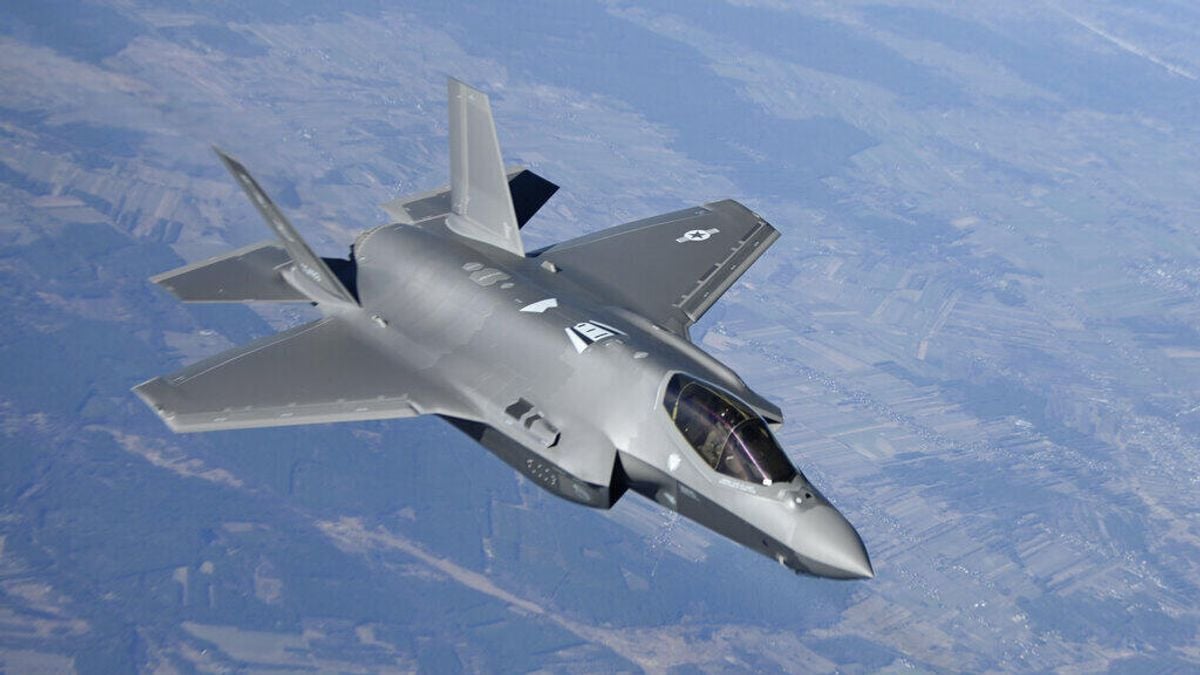
Dated Sept. 17, this Event describes U.S. intelligence concern that the Saudi F-35 deal risked Chinese espionage.
Dated Sept. 17, this Event describes U.S. intelligence concern that the Saudi F-35 deal risked Chinese espionage.
Footnotes[15]
Dated Sept. 18, this Event describes the Saudi Embassy in Washington publicly saying the deal strengthened the U.S. partnership.
Dated Sept. 18, this Event describes the Saudi Embassy in Washington publicly saying the deal strengthened the U.S. partnership.
Footnotes[16]
Dated Sept. 19, this Event describes Israel demanding U.S. weapons access over the Saudi F-35 sale.
Dated Sept. 19, this Event describes Israel demanding U.S. weapons access over the Saudi F-35 sale.
Footnotes[11]Dated Sept. 19, this Event describes U.S. intent to provide Saudi Arabia military aid.
Dated Sept. 19, this Event describes U.S. intent to provide Saudi Arabia military aid.
Footnotes[13]Evidenced relationships involving significant participants beyond the central cast.
The Event is linked to “Washington approves potential $24.3 billion sale of 48 F-35s to Saudi Arabia.”
The Event is linked to “US fears Saudi F-35 sale could expose secret technology to China.”
The Event is linked to “Israel opposes proposed U.S. F-35 sale to Saudi Arabia.”
The Story link connects the Embassy statement to this coverage; it does not establish that every headline proposition describes the Embassy.
The Event is linked to “Trump’s $24.3 billion F-35 deal with Saudi Arabia alarms Israel.”
This edition freezes the complete served membership and analysis available through its UTC cutoff. Later repairs or identity changes do not rewrite what this edition showed.
Stories are reporting clusters. Events are coded occurrences within that reporting. The cast contains 47 canonical people and organizations linked to the retained evidence.
Story-to-Event edges identify supporting reporting. Entity-to-Event edges identify recorded actor or target participation. Mentions and analytical roles stay visibly distinct from recorded participation.
Core, precursor, and continuation labels organize the reading. They do not by themselves establish causation. Collapsed graph groups and paginated evidence change presentation only; counts use the complete retained edition.