
Significance
24 measured / 24 eligible · 0 missing · 0 not applicable
score (0 to 1) · Event-level distribution, not a Situation risk score.
across all 24 events
Cyclone Arnab made landfall on Andhra Pradesh’s coast, reported on October 28 in “Cyclone Arnab makes landfall along India's Andhra Pradesh coast”; an Event dated October 27 describes heavy rain and evacuations affecting residents of Odisha and Andhra Pradesh. On October 29, “Cyclone Arnab hits eastern India, forcing mass evacuations and killing at least three” reported evacuations and deaths, while N. Chandrababu Naidu ordered cyclone relief and power restoration in Andhra Pradesh. Indian Railways cancelled and diverted trains amid Visakhapatnam waterlogging in an Event dated October 29, and “Cyclone Arnab brings rain and flood alerts across Odisha and eight Indian states,” reported October 30, described flooding and stranded residents in Odisha. On October 31, “Cyclone-triggered landslides and floods kill three in Odisha, India” reported deaths, while “Cyclone Arnab causes Rs 4,600 crore in damage in Andhra Pradesh” reported a state damage estimate. Odisha’s Housing and Urban Development Department restored most of Brahmapur’s water supply, and Odisha Chief Minister Mohan Charan Majhi announced cyclone relief for families and farmers. By November 2, “Landslides in Odisha kill five and leave 10 missing after Cyclone Arnab” reported a later casualty account, “Indian Navy airlifts relief to flood-hit villages in Odisha” reported relief airlifts, and a Karnataka story reported sending 500 power workers to Andhra Pradesh; a related Event records the plan to send them.
Footnotes[11][14][10][22][20][9][12][7][8][5][21][24]These accounts establish widespread flooding and disruption, damage to crops and infrastructure, landslide rescue needs, and relief and restoration activity; they do not establish one reconciled casualty total. Reports differ: an October 28 report said a storm in southern India killed three people; October 28 Andhra Pradesh-damage coverage linked reports variously saying there was no loss of life and claiming five or nine deaths; the October 29 roundup reported at least three deaths; the October 31 Odisha report said three had died; and the November 2 report said five had died and 10 were missing in Odisha landslides. These differently dated and scoped reports do not establish a settled cumulative count. Naidu’s Event establishes an order and Majhi’s Event an intent to provide aid. The Karnataka Event records a plan to send 500 workers, while a November 2 Story reports that Karnataka sent them. By contrast, the Navy Story reports relief airlifts, and the Brahmapur Story reports that most of the water supply was restored. On November 4, “Modi pledges central support to Andhra Pradesh after two cyclones” reported a pledge, not delivered assistance.
Footnotes[10][7][2][22][16][3][5][35]Explanation originally captured 2026-11-05 · Evidence through 2026-11-05 UTC · Source edition sed_5dfa8ab15b7bba2a462e1a8bf06b5e29
A 9-day Situation represented by 24 coded Events carried across 33 member Stories.
The coded activity is led by EN02 · Meteorological Hazard (13) and IN02 · Transport Disruption (3).
N. Chandrababu Naidu and Indian Railways are prominent in the retained actor and relationship evidence.
99 canonical Entities are linked to this edition.
Metric coverage. 24 coded Events · 24 CAMEO+ · 0 conflict. The four dimensions describe the CAMEO+ subset; conflict Events do not carry these scores.
Dot = mean · shaded span = observed range · position uses each metric’s defined scale.
How the coder scored the full retained Event set
24 coded events — 24 CAMEO+ (5 political)
Quad class over those 5 events · Verbal Cooperation 4 · Verbal Conflict 1. No conflict-family event here, so nothing carries a fatality count — a missing column, not a toll of zero. 19 sit outside POLITICAL, where Goldstein and quad class are undefined.
24 measured / 24 eligible · 0 missing · 0 not applicable
score (0 to 1) · Event-level distribution, not a Situation risk score.
across all 24 events
24 measured / 24 eligible · 0 missing · 0 not applicable
score (0 to 10) · Event-level distribution, not a Situation risk score.
across all 24 events — every one of them CAMEO+
24 measured / 24 eligible · 0 missing · 0 not applicable
score (0 to 1) · Event-level distribution, not a Situation risk score.
across all 24 events — every one of them CAMEO+
24 measured / 24 eligible · 0 missing · 0 not applicable
score (0 to 1) · Event-level distribution, not a Situation risk score.
across all 24 events — every one of them CAMEO+
24 measured / 24 eligible · 0 missing · 0 not applicable
score (0 to 1) · Event-level distribution, not a Situation risk score.
across all 24 events — every one of them CAMEO+
5 measured / 5 eligible · 0 missing · 19 not applicable
score (-10 to 10) · Event-level distribution, not a Situation risk score.
across the 5 of 24 events Goldstein is defined on — CAMEO+ POLITICAL and the conflict family; the other nine CAMEO+ domains have no Goldstein semantics
24 measured / 24 eligible · 0 missing · 0 not applicable
score (0 to 1) · Event-level distribution, not a Situation risk score.
across all 24 events
This retained edition, independent of graph and page limits. Different dimensions, not a blended risk score; reported tolls may overlap.
2026-11-04analystlatest
Central-support pledge reported
“Modi pledges central support to Andhra Pradesh after two cyclones” reports a pledge of central support.
What kind of event · 9 coded types
over 24 coded events on this edition
Countries · where it happened
Countries · who is acting
Selected from the complete retained edition
The landfall, evacuation, flooding, transport disruption, landslide and damage reports describe the central impact thread.
The accounts describe Naidu’s relief and power-restoration order, Brahmapur water restoration, Navy relief airlifts and Karnataka’s planned power-worker support.
Odisha reports give differing casualty accounts; separate coverage describes survivors trapped under landslide debris and a proposed rescue method.
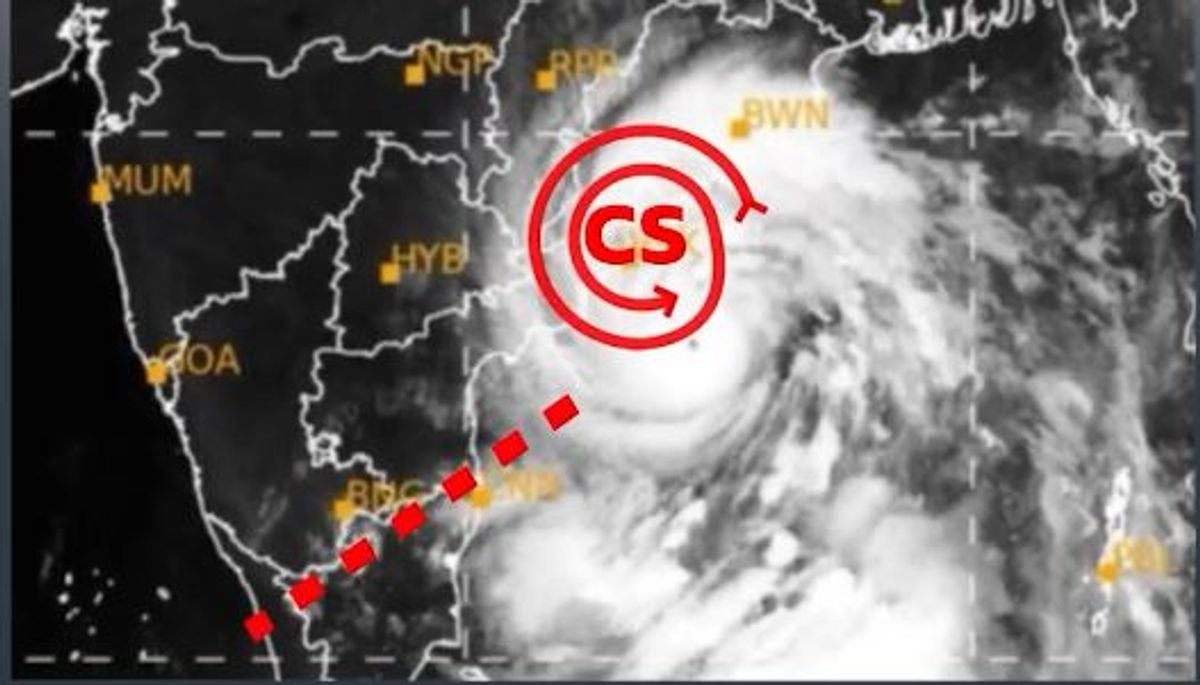
Dated October 27, this Event describes cyclone-related heavy rain and evacuations affecting residents of Odisha and Andhra Pradesh.
Dated October 27, this Event describes cyclone-related heavy rain and evacuations affecting residents of Odisha and Andhra Pradesh.
Footnotes[14]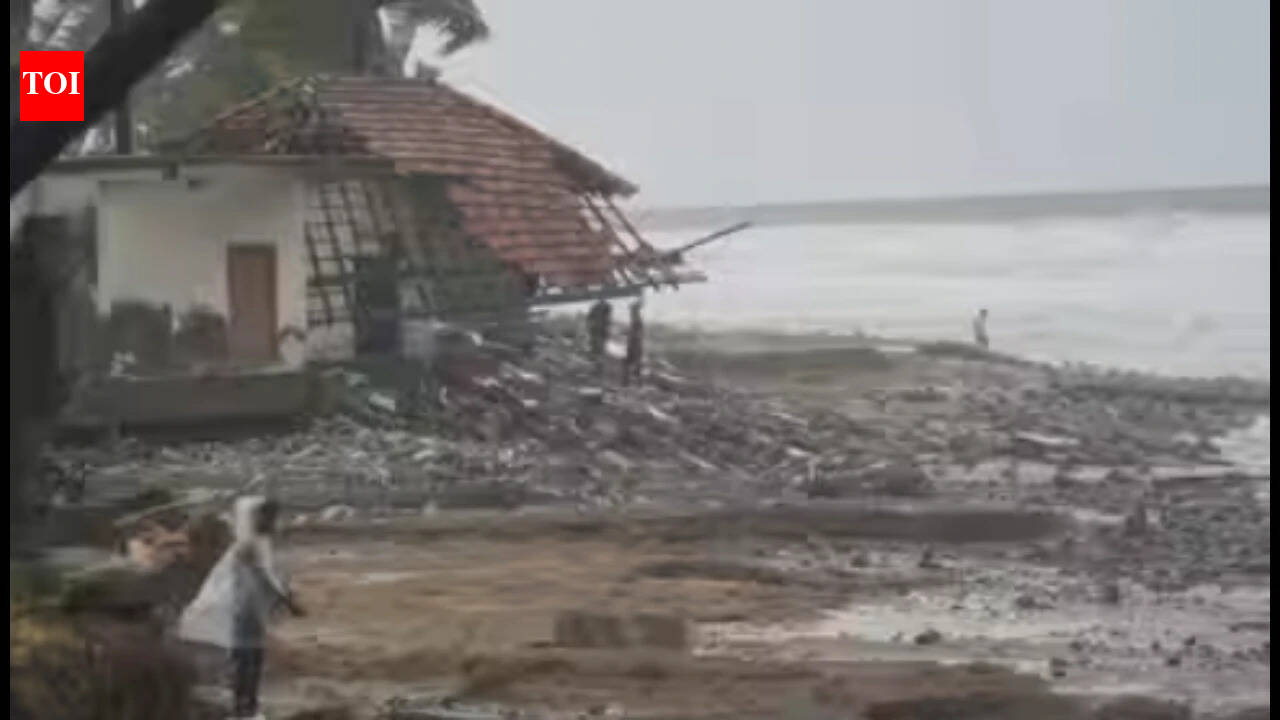
Dated October 29, this Event names Indian Railways as cancelling and diverting trains amid Visakhapatnam waterlogging.
Dated October 29, this Event names Indian Railways as cancelling and diverting trains amid Visakhapatnam waterlogging.
Footnotes[20]Dated October 29, this Event describes N. Chandrababu Naidu ordering cyclone relief and power restoration in Andhra Pradesh.
Dated October 29, this Event describes N. Chandrababu Naidu ordering cyclone relief and power restoration in Andhra Pradesh.
Footnotes[22]
Dated October 29, this Event describes Cyclone Arnab flooding Odisha and disrupting highways and rail services.
Dated October 29, this Event describes Cyclone Arnab flooding Odisha and disrupting highways and rail services.
Footnotes[12]
Dated October 31, this Event describes survivors trapped under landslide debris in Gidipabali village.
Dated October 31, this Event describes survivors trapped under landslide debris in Gidipabali village.
Footnotes[23]Evidenced relationships involving significant participants beyond the central cast.
The Event names Naidu as its source actor, and the Entity record links him to that actor role.
The Event names Indian Railways as its source actor, and the Entity record links it to that actor role.
The Event lists this Story among its supporting stories.
The Event lists this Story among its supporting stories.
This edition freezes the complete served membership and analysis available through its UTC cutoff. Later repairs or identity changes do not rewrite what this edition showed.
Stories are reporting clusters. Events are coded occurrences within that reporting. The cast contains 99 canonical people and organizations linked to the retained evidence.
Story-to-Event edges identify supporting reporting. Entity-to-Event edges identify recorded actor or target participation. Mentions and analytical roles stay visibly distinct from recorded participation.
Core, precursor, and continuation labels organize the reading. They do not by themselves establish causation. Collapsed graph groups and paginated evidence change presentation only; counts use the complete retained edition.