
Significance
11 measured / 11 eligible · 0 missing · 0 not applicable
score (0 to 1) · Event-level distribution, not a Situation risk score.
across all 11 events
On 12 October, Slovakia asked the European Union for a transition period on Russian gas imports, while “Slovakia backs continued Russian gas supplies amid EU talks” described Slovakia’s position. On 14 October in Brussels, Robert Fico negotiated over energy proposals with V4 leaders; “Fico and V4 leaders agree on energy demands ahead of EU summit” reported their agreement on 15 October. On 18 October, the European Commission proposed delaying oil and gas import rules, in a Story whose headline attributes the proposal to a Czech push. On 19 and 20 October, Slovakia and Hungary sought flexibility on the Russian-gas phaseout, while the Commission said it was helping Slovakia replace Russian gas. On 21 October, the Slovak government sent a delegation to Moscow to seek Russian energy, and the Visegrad Group sought EU funds for high energy costs. “Slovakia breaks with EU and seeks new energy supplies from Russia” reported Slovakia’s efforts to seek Russian energy on 22 October. Separately, on 14 October the European Council criticized a United States decision concerning Russian diesel sanctions.
Footnotes[17][10][11][8][14][7][13][19][21][18][20][36]Slovakia’s transition-period request and the later Slovak-Hungarian appeals establish efforts to retain flexibility on Russian-gas imports; the Commission’s statement establishes that it said it was helping Slovakia replace Russian gas. The Commission proposed delaying import rules, but neither that proposal nor the appeals establish an agreed exemption or a completed replacement. The Moscow delegation sought Russian energy, and the Visegrad Group sought EU funds; neither action establishes that energy supplies or funds were secured. The 23 October headline reports a Brussels rejection, but the available information does not establish that the rejected proposal was the same as the Commission’s 18 October proposal to delay import rules. The European Council’s diesel-sanctions criticism is a separate matter, while Miloš Zeman’s linked Event specifies an agricultural proposal and therefore does not establish criticism of Russian-gas policy.
Footnotes[17][13][19][21][14][18][20][35][34][15][16][1]Explanation originally captured 2026-10-24 · Evidence through 2026-10-25 UTC · Source edition sed_9e30c328ae44a6933215ea9a5b85d0da
A 12-day Situation represented by 11 coded Events carried across 12 member Stories.
The coded activity is led by 0242 · Policy Change (3) and 046 · Engage in Negotiation (2).
European Union, European Commission, and Robert Fico are prominent in the retained actor and relationship evidence.
31 canonical Entities are linked to this edition.
Metric coverage. 11 coded Events · 11 CAMEO+ · 0 conflict. The four dimensions describe the CAMEO+ subset; conflict Events do not carry these scores.
Dot = mean · shaded span = observed range · position uses each metric’s defined scale.
How the coder scored the full retained Event set
11 coded events — 11 CAMEO+ (11 political)
Quad class over those 11 events · Verbal Cooperation 9 · Verbal Conflict 2. No conflict-family event here, so nothing carries a fatality count — a missing column, not a toll of zero.
11 measured / 11 eligible · 0 missing · 0 not applicable
score (0 to 1) · Event-level distribution, not a Situation risk score.
across all 11 events
11 measured / 11 eligible · 0 missing · 0 not applicable
score (0 to 10) · Event-level distribution, not a Situation risk score.
across all 11 events — every one of them CAMEO+
11 measured / 11 eligible · 0 missing · 0 not applicable
score (0 to 1) · Event-level distribution, not a Situation risk score.
across all 11 events — every one of them CAMEO+
11 measured / 11 eligible · 0 missing · 0 not applicable
score (0 to 1) · Event-level distribution, not a Situation risk score.
across all 11 events — every one of them CAMEO+
11 measured / 11 eligible · 0 missing · 0 not applicable
score (0 to 1) · Event-level distribution, not a Situation risk score.
across all 11 events — every one of them CAMEO+
11 measured / 11 eligible · 0 missing · 0 not applicable
score (-10 to 10) · Event-level distribution, not a Situation risk score.
across the 11 of 11 events Goldstein is defined on — CAMEO+ POLITICAL and the conflict family; the other nine CAMEO+ domains have no Goldstein semantics
11 measured / 11 eligible · 0 missing · 0 not applicable
score (0 to 1) · Event-level distribution, not a Situation risk score.
across all 11 events
This retained edition, independent of graph and page limits. Different dimensions, not a blended risk score; reported tolls may overlap.
2026-10-23analystlatest
Brussels rejection headline
The 23 October timeline packet includes reporting but no coded Event for that date. “Brussels rejects proposal to continue purchasing Russian gas” is the reported headline; it does not establish that this was the same proposal as the Commission’s 18 October import-rules proposal.
What kind of event · 7 coded types
over 11 coded events on this edition
Countries · where it happened
Countries · who is acting
Selected from the complete retained edition
Slovakia asked for a transition period, and Slovakia and Hungary later appealed for flexibility on the Russian-gas phaseout. The appeals named the European Union and the European Commission as targets.
Robert Fico negotiated over energy proposals with V4 leaders, and a later Story reported agreement on their energy demands. The Visegrad Group separately sought EU funds for high energy costs.
The European Commission proposed delaying oil and gas import rules. The Story headline attributes the proposal to a Czech push.
The Commission said it was helping Slovakia replace Russian gas. The related Story headline describes Slovakia’s energy-price plan after Russian gas ends.
The European Council criticized a United States decision concerning Russian diesel sanctions. This is separate from the Russian-gas flexibility requests.
The European Council criticized a United States decision concerning Russian diesel sanctions. This is separate from the Russian-gas flexibility requests.
Footnotes[15]The European Union was the target of Slovakia’s transition-period request and its 19 October flexibility appeal; the Visegrad Group also sought EU funds for high energy costs.
The European Commission proposed delaying oil and gas import rules and said it was helping Slovakia replace Russian gas. Slovakia and Hungary named the Commission as the target of their 20 October flexibility appeal.
Robert Fico was the source actor in the 14 October energy-proposals negotiation and the discussion of EU funds with V4 prime ministers.
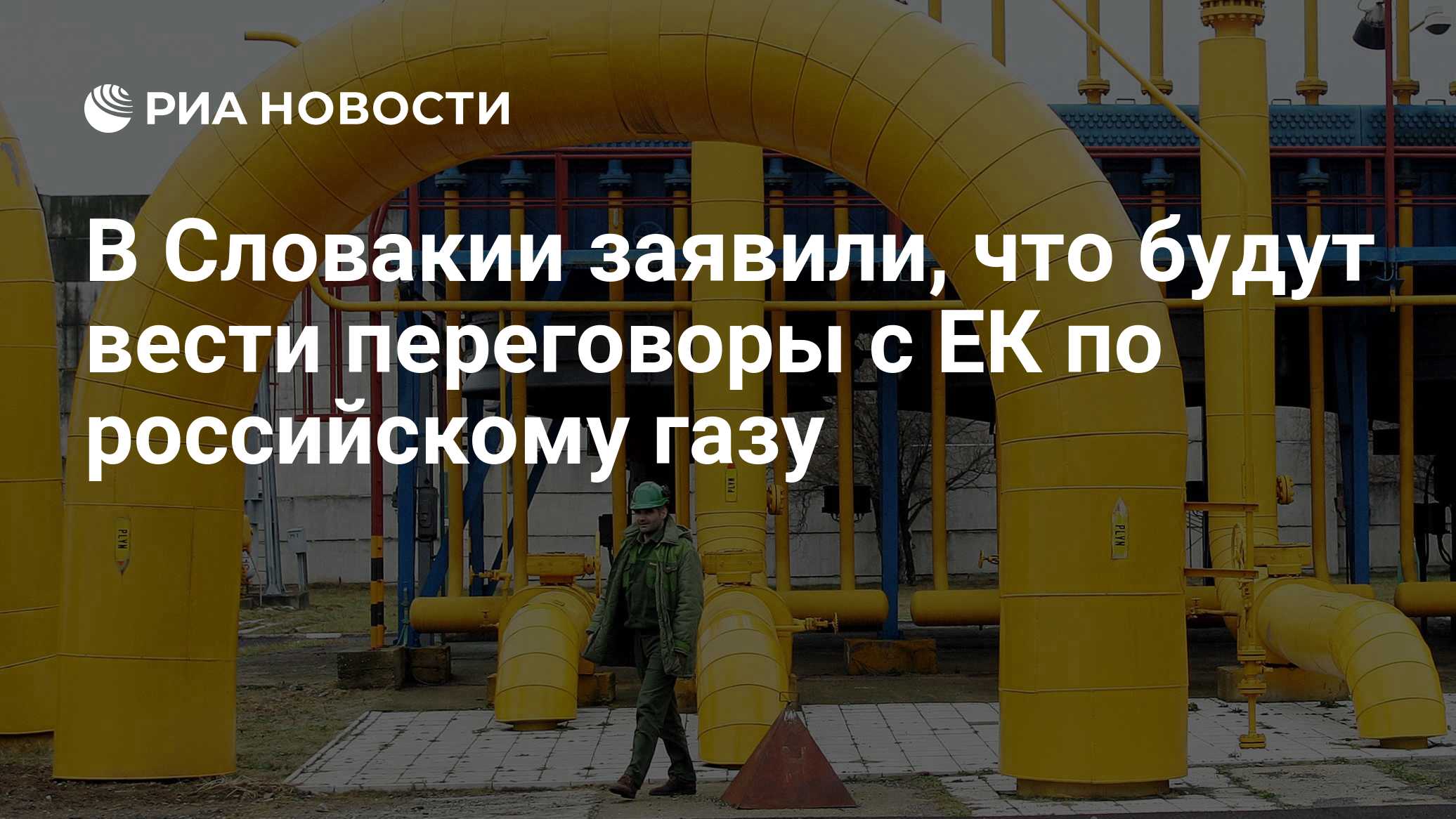
On 12 October, Slovakia asked the European Union for a transition period on Russian gas imports.
On 12 October, Slovakia asked the European Union for a transition period on Russian gas imports.
Footnotes[17]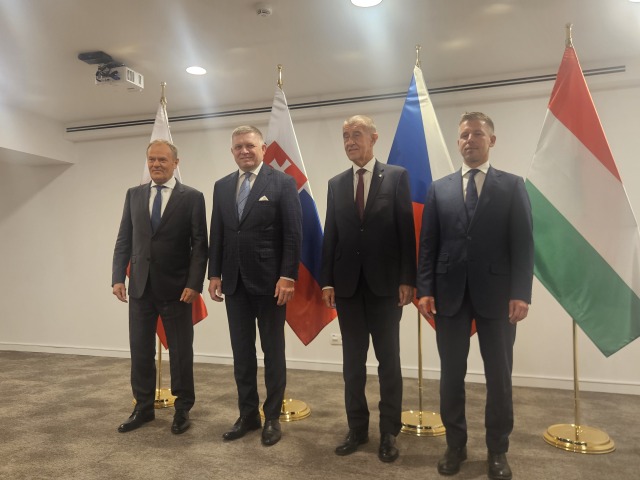
On 14 October in Brussels, Robert Fico negotiated over energy proposals with V4 leaders.
On 14 October in Brussels, Robert Fico negotiated over energy proposals with V4 leaders.
Footnotes[11]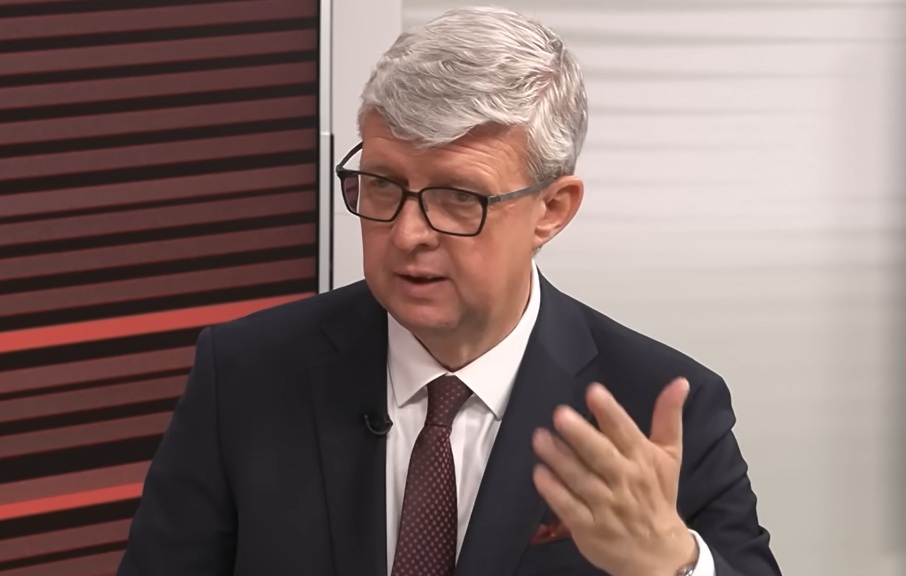
On 18 October, the European Commission proposed delaying oil and gas import rules.
On 18 October, the European Commission proposed delaying oil and gas import rules.
Footnotes[14]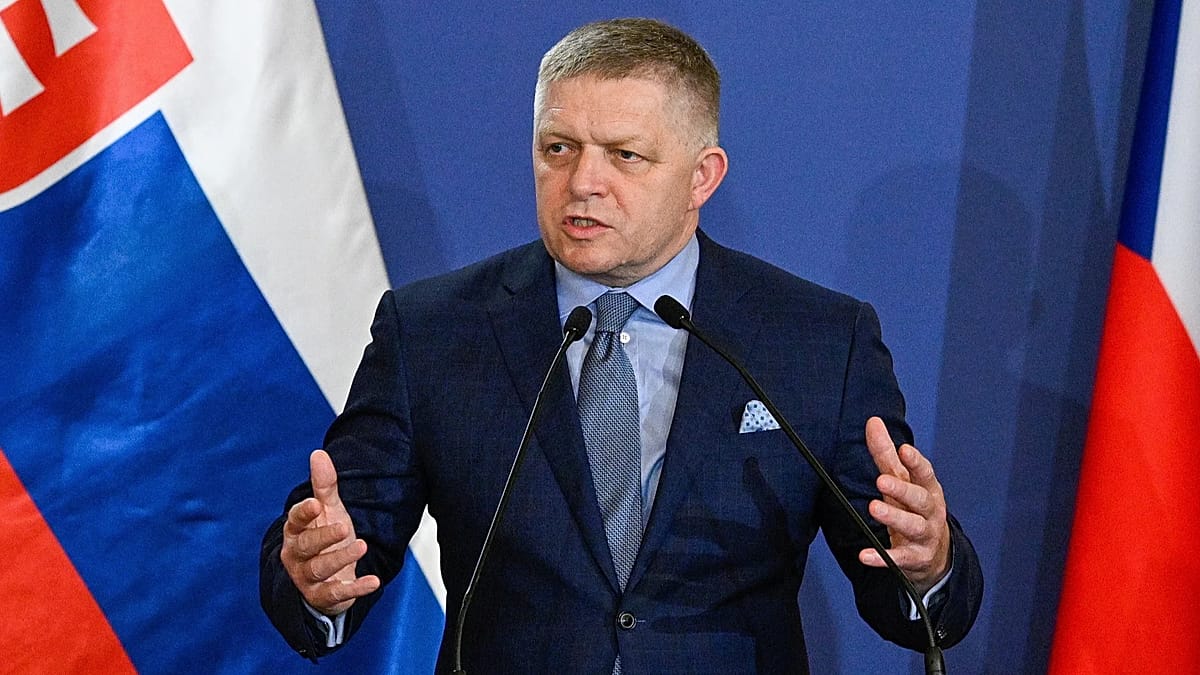
On 19 October, Slovakia and Hungary sought more flexibility from the European Union.
On 19 October, Slovakia and Hungary sought more flexibility from the European Union.
Footnotes[13]
On 19 October, the European Commission said it was helping Slovakia replace Russian gas.
On 19 October, the European Commission said it was helping Slovakia replace Russian gas.
Footnotes[21]Evidenced relationships involving significant participants beyond the central cast.
The Event names Robert Fico as its source actor.
The Event names the European Commission as its source actor.
The Event names the European Commission as its source actor.
The Event names the European Union as its target.
Slovakia asked for a transition period, and Slovakia and Hungary later appealed for flexibility on the Russian-gas phaseout. The appeals named the European Union and the European Commission as targets.
Footnotes[17][13][19]Robert Fico negotiated over energy proposals with V4 leaders, and a later Story reported agreement on their energy demands. The Visegrad Group separately sought EU funds for high energy costs.
Footnotes[11][8][20][3]The European Commission proposed delaying oil and gas import rules. The Story headline attributes the proposal to a Czech push.
Footnotes[14][7]The Commission said it was helping Slovakia replace Russian gas. The related Story headline describes Slovakia’s energy-price plan after Russian gas ends.
Footnotes[21][6]The European Council criticized a United States decision concerning Russian diesel sanctions. This is separate from the Russian-gas flexibility requests.
Footnotes[15]The Slovak government sent a delegation to Moscow to seek Russian energy. “Slovakia and Russia resume talks on energy supplies at Moscow meeting” reports the related talks.
Footnotes[18][2]This edition freezes the complete served membership and analysis available through its UTC cutoff. Later repairs or identity changes do not rewrite what this edition showed.
Stories are reporting clusters. Events are coded occurrences within that reporting. The cast contains 31 canonical people and organizations linked to the retained evidence.
Story-to-Event edges identify supporting reporting. Entity-to-Event edges identify recorded actor or target participation. Mentions and analytical roles stay visibly distinct from recorded participation.
Core, precursor, and continuation labels organize the reading. They do not by themselves establish causation. Collapsed graph groups and paginated evidence change presentation only; counts use the complete retained edition.