
Significance
12 measured / 12 eligible · 0 missing · 0 not applicable
score (0 to 1) · Event-level distribution, not a Situation risk score.
across all 12 events
On October 24, Typhoon Champi stranded travelers in Kinmen, while a storm prompted Shimen Reservoir to open discharge tunnels and typhoon winds knocked out power to New Taipei households. On October 25, the Story “Typhoon Champi moves away from eastern Taiwan as northeast monsoon brings cooler weather” appeared alongside reports of Yilan power-system damage, Taoyuan crop and seawall damage, and debris clearance. The Story “Typhoon damages power system in Taiwan’s Yilan, leaving over 30,000 homes without power” is linked to an Event naming Typhoon Qiangbi and Yilan residents. On October 26, “Typhoon causes over NT$220 million in farm losses across Taiwan” reported agricultural losses, while “Taiwan declares typhoon disaster relief for farmers in nine counties and cities” described relief; another headline said Shei-Pa National Park partially reopened as the typhoon passed. The October 26 Pingtung crop Event names Typhoon 薔琵.
Footnotes[11][9][8][4][5][10][12][14][1][2][3][15]Together, these accounts describe disruption to power and travel, damage to infrastructure and agriculture, cleanup, reservoir status, and subsequent relief and partial reopening. The reservoir Events place discharge-tunnel opening on October 24 and full capacity on October 25, but their sequence alone does not establish that one caused the other. Coverage links several impact and recovery reports—including the Yilan outage, farm losses, and farmer relief—to the Champi situation, while Event titles use Champi, Qiangbi, 薔琵, Chambi, and Cempaka; the records do not independently resolve every naming discrepancy. The New Taipei Story headline says over 4,000 households lost power, while its linked Event title says 29,000; those figures remain unreconciled.
Footnotes[11][8][9][13][4][5][7][1][2][3][10][12]Explanation originally captured 2026-10-27 · Evidence through 2026-10-27 UTC · Source edition sed_d2aa60a24363d030072b15594be14bbf
A 3-day Situation represented by 12 coded Events carried across 8 member Stories.
The coded activity is led by EN02 · Meteorological Hazard (10) and IN02 · Transport Disruption (1).
🇹🇼Taiwan and 🇨🇳China are prominent in the retained actor and relationship evidence.
8 canonical Entities are linked to this edition.
Metric coverage. 12 coded Events · 12 CAMEO+ · 0 conflict. The four dimensions describe the CAMEO+ subset; conflict Events do not carry these scores.
Dot = mean · shaded span = observed range · position uses each metric’s defined scale.
How the coder scored the full retained Event set
12 coded events — 12 CAMEO+
No conflict-family event here, so nothing carries a fatality count — a missing column, not a toll of zero. 12 sit outside POLITICAL, where Goldstein and quad class are undefined.
12 measured / 12 eligible · 0 missing · 0 not applicable
score (0 to 1) · Event-level distribution, not a Situation risk score.
across all 12 events
12 measured / 12 eligible · 0 missing · 0 not applicable
score (0 to 10) · Event-level distribution, not a Situation risk score.
across all 12 events — every one of them CAMEO+
12 measured / 12 eligible · 0 missing · 0 not applicable
score (0 to 1) · Event-level distribution, not a Situation risk score.
across all 12 events — every one of them CAMEO+
12 measured / 12 eligible · 0 missing · 0 not applicable
score (0 to 1) · Event-level distribution, not a Situation risk score.
across all 12 events — every one of them CAMEO+
12 measured / 12 eligible · 0 missing · 0 not applicable
score (0 to 1) · Event-level distribution, not a Situation risk score.
across all 12 events — every one of them CAMEO+
12 measured / 12 eligible · 0 missing · 0 not applicable
score (0 to 1) · Event-level distribution, not a Situation risk score.
across all 12 events
This retained edition, independent of graph and page limits. Different dimensions, not a blended risk score; reported tolls may overlap.
2026-10-26analystlatest
Farm losses, relief and partial reopening
October 26 Stories describe farm losses, disaster relief for farmers, and partial reopening at Shei-Pa National Park; the dated crop Events describe damage in Pingtung and Taichung.
What kind of event · 3 coded types
over 12 coded events on this edition
Countries · where it happened
Countries · who is acting
Selected from the complete retained edition
These Stories and linked Events connect storm conditions with reported travel, power, infrastructure, and local damage impacts across Taiwan.
The October 26 farm-loss Story reports losses exceeding NT$220 million; a separate Story describes typhoon disaster relief for farmers in nine counties and cities.
The Shimen Reservoir Events describe discharge-tunnel opening and a later full-capacity status; a separate Story reports the typhoon passed and Shei-Pa National Park partially reopened.
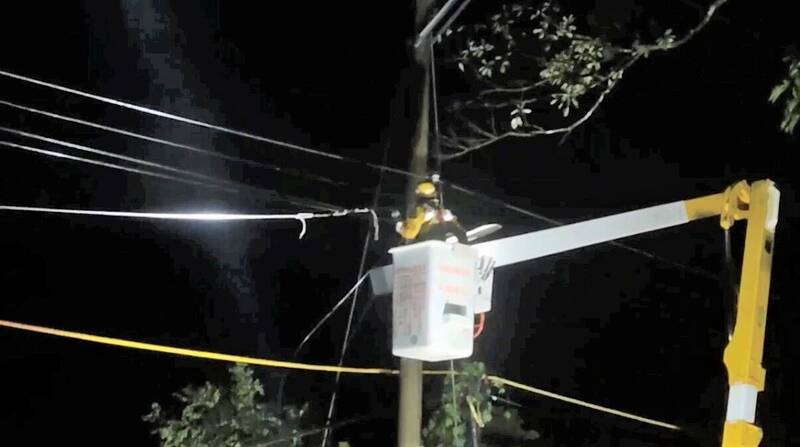
The Event says typhoon winds knocked out power to New Taipei households; its title gives 29,000 households.
The Event says typhoon winds knocked out power to New Taipei households; its title gives 29,000 households.
Footnotes[8]The Event says a storm prompted Shimen Reservoir to open discharge tunnels.
The Event says a storm prompted Shimen Reservoir to open discharge tunnels.
Footnotes[9]The Event says Typhoon Champi stranded Kinmen travelers while extra flights moved thousands.
The Event says Typhoon Champi stranded Kinmen travelers while extra flights moved thousands.
Footnotes[11]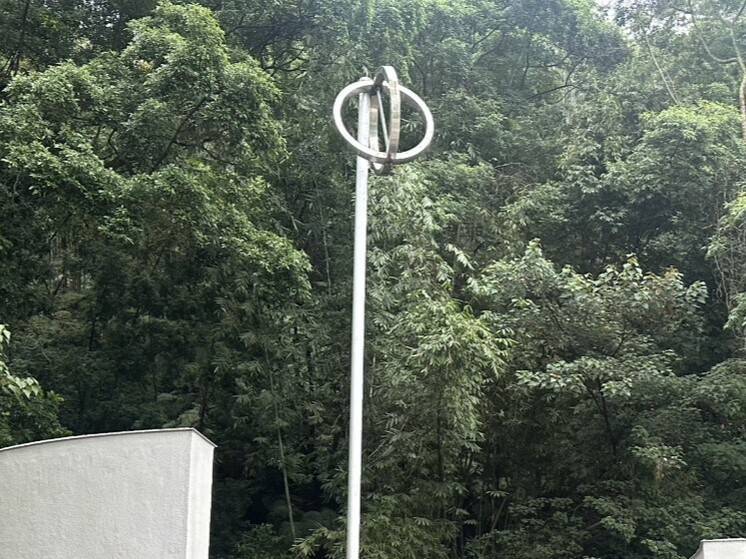
The Event names Typhoon Qiangbi as damaging Yilan’s power system and cutting service to homes.
The Event names Typhoon Qiangbi as damaging Yilan’s power system and cutting service to homes.
Footnotes[10]The Event reports crop damage in Taoyuan and a breached harbor seawall.
The Event reports crop damage in Taoyuan and a breached harbor seawall.
Footnotes[12]Evidenced relationships involving significant participants beyond the central cast.
The Event lists the Story among its linked coverage.
The Event lists the Story among its linked coverage.
Footnotes[8]The Event lists the Story among its linked coverage.
The Event lists the Story among its linked coverage.
Footnotes[9]The Event lists the Story among its linked coverage.
The Event lists the Story among its linked coverage.
Footnotes[11]The Event lists the Story among its linked coverage.
The Event lists the Story among its linked coverage.
Footnotes[10]The Event lists both Stories as linked coverage.
The Event lists both Stories as linked coverage.
Footnotes[10]This edition freezes the complete served membership and analysis available through its UTC cutoff. Later repairs or identity changes do not rewrite what this edition showed.
Stories are reporting clusters. Events are coded occurrences within that reporting. The cast contains 8 canonical people and organizations linked to the retained evidence.
Story-to-Event edges identify supporting reporting. Entity-to-Event edges identify recorded actor or target participation. Mentions and analytical roles stay visibly distinct from recorded participation.
Core, precursor, and continuation labels organize the reading. They do not by themselves establish causation. Collapsed graph groups and paginated evidence change presentation only; counts use the complete retained edition.