
Significance
56 measured / 56 eligible · 0 missing · 0 not applicable
score (0 to 1) · Event-level distribution, not a Situation risk score.
across all 56 events
Die Linke’s Berlin election win and Elif Eralp’s election were reported under the headline “Left Party wins Berlin election as Elif Eralp takes seat”; on 21 September, Eralp called for socialization of housing corporations in coalition discussions. [citations: story:6160112ea325, event:cameoplus_510fe2f9d7a160a9] On 20 September, the Central Council of Jews in Germany urged parties to oppose a Left-led Berlin government, and on 23 September the SPD criticized Die Linke over antisemitism. [citations: event:cameoplus_97fd4c699fc52dd1, story:1fed896e3e58, event:cameoplus_bf53d283f576b3b3, story:12c0be928c66] On 24 September, the Berlin SPD signaled readiness for exploratory talks with both Die Linke and the CDU; on 26 September it accepted a Left Party invitation for talks, while Green leader Franziska Brantner set conditions. [citations: event:cameoplus_9ce14751a0b64779, story:8d6af78bff2e, event:cameoplus_df932cd774f51577, story:defe30f13d93, event:cameoplus_1281ab99f9e7ea31, story:8731fa2b0bcd] Markus Söder threatened to reopen Berlin’s financing agreement on 22 September, and CDU/CSU state leaders warned Berlin over coalition funding on 29 September. [citations: event:cameoplus_0c634fe957e41889, story:2fdf5e2a0eda, event:cameoplus_66c6fb9c9911b654, story:069176881c52] A 30 September report said the three parties were beginning talks; the coded Event dates the start of coalition talks to 1 October. On 8 October they signed agreements to open talks, and a linked headline reported how they would address antisemitism. [citations: story:766fec978fa6,…
Footnotes[19][23][29][20][30][15][28][14][36][12][35][13]The dated steps establish engagement, negotiations and agreements concerning talks, not the formation of a Berlin government. [citations: event:cameoplus_ae600705116f8ded, event:cameoplus_01562c5928be0f59] The dispute remained visible on 19 October: Friedrich Merz urged the SPD and Greens to avoid talks, Katharina Dröge criticized Die Linke over antisemitism concerns, and the Berlin SPD agreed to begin talks. [citations: event:cameoplus_41ef910e6282ef56, event:cameoplus_e26b4908346b2ba0, event:cameoplus_f4aef110f6e9ca28, story:1214b6539faf, story:42edf41f7c88] The 19 October headline “Linke, Greens and SPD strike Berlin deal on housing, rents and antisemitism” and the 22 October headline “Berlin parties agree to austerity and military buildup in coalition talks” present claims at different stages; neither Story has a linked coded Event. [citations: story:88b07675be4a, story:a9462cd5f151] The 21 October report that the Berlin Left caucus postponed a decision on MP Vanessa Emde adds an unresolved internal party matter, not confirmation of a coalition outcome. [citations: story:643103c266e8]
Footnotes[26][27][39][32][38][5][4][6][1][2]Explanation originally captured 2026-10-23 · Evidence through 2026-10-23 UTC · Source edition sed_a21c9738766a2a74a11f7c7dd93218ef
A 43-day Situation represented by 56 coded Events carried across 156 member Stories.
The coded activity is led by 01 · Make Public Statement (7) and 111 · Criticize or Denounce (7).
Die Linke, Social Democratic Party of Germany, and Friedrich Merz are prominent in the retained actor and relationship evidence.
197 canonical Entities are linked to this edition.
Metric coverage. 56 coded Events · 56 CAMEO+ · 0 conflict. The four dimensions describe the CAMEO+ subset; conflict Events do not carry these scores.
Dot = mean · shaded span = observed range · position uses each metric’s defined scale.
How the coder scored the full retained Event set
56 coded events — 56 CAMEO+ (56 political)
Quad class over those 56 events · Verbal Cooperation 38 · Verbal Conflict 17 · Material Cooperation 1. No conflict-family event here, so nothing carries a fatality count — a missing column, not a toll of zero.
56 measured / 56 eligible · 0 missing · 0 not applicable
score (0 to 1) · Event-level distribution, not a Situation risk score.
across all 56 events
56 measured / 56 eligible · 0 missing · 0 not applicable
score (0 to 10) · Event-level distribution, not a Situation risk score.
across all 56 events — every one of them CAMEO+
56 measured / 56 eligible · 0 missing · 0 not applicable
score (0 to 1) · Event-level distribution, not a Situation risk score.
across all 56 events — every one of them CAMEO+
56 measured / 56 eligible · 0 missing · 0 not applicable
score (0 to 1) · Event-level distribution, not a Situation risk score.
across all 56 events — every one of them CAMEO+
56 measured / 56 eligible · 0 missing · 0 not applicable
score (0 to 1) · Event-level distribution, not a Situation risk score.
across all 56 events — every one of them CAMEO+
56 measured / 56 eligible · 0 missing · 0 not applicable
score (-10 to 10) · Event-level distribution, not a Situation risk score.
across the 56 of 56 events Goldstein is defined on — CAMEO+ POLITICAL and the conflict family; the other nine CAMEO+ domains have no Goldstein semantics
56 measured / 56 eligible · 0 missing · 0 not applicable
score (0 to 1) · Event-level distribution, not a Situation risk score.
across all 56 events
This retained edition, independent of graph and page limits. Different dimensions, not a blended risk score; reported tolls may overlap.
2026-10-22from the recordslatest
Söder calls for extremism clause targeting AfD- and Left-led German states
3 Stories and 0 coded Events (+2 / 0 against the day before). Widest coverage: Söder calls for extremism clause targeting AfD- and Left-led German states (4 articles).
What kind of event · 28 coded types
over 56 coded events on this edition
Countries · where it happened
Countries · who is acting
Selected from the complete retained edition
Follows the election result, exploratory contacts, negotiations and agreements to open Berlin coalition talks.
Covers criticism concerning antisemitism, stated conditions, opposition to talks and threatened funding consequences.
The formal SPD–Left–Greens coalition in Mecklenburg-Western Pomerania and disputes over CDU leadership are separate from Berlin’s coalition process.
The SPD criticized Die Linke over antisemitism on 23 September; it also acted in the separate Mecklenburg-Western Pomerania coalition agreement.
Friedrich Merz urged the SPD and Greens to avoid talks with Die Linke on 19 October; the CDU also demanded his resignation in September.
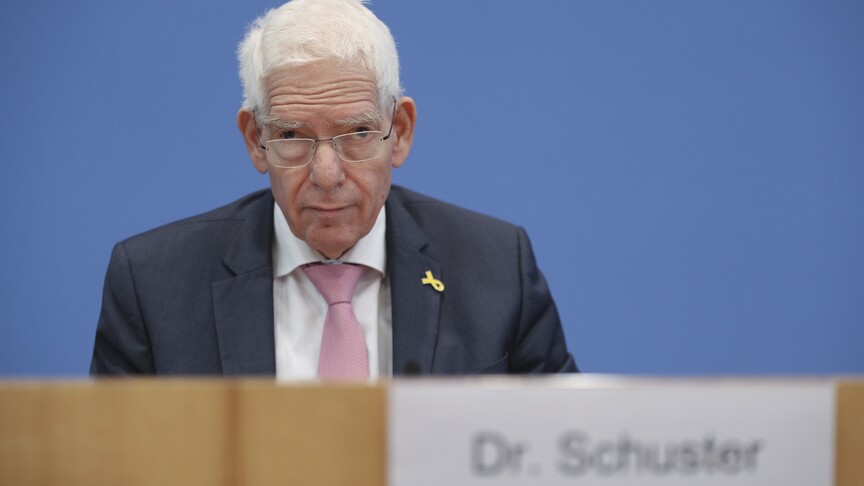
On 20 September, the Central Council of Jews in Germany urged parties to oppose a Left-led Berlin government.

On 21 September, Elif Eralp called for socialization of housing corporations in Berlin coalition discussions.
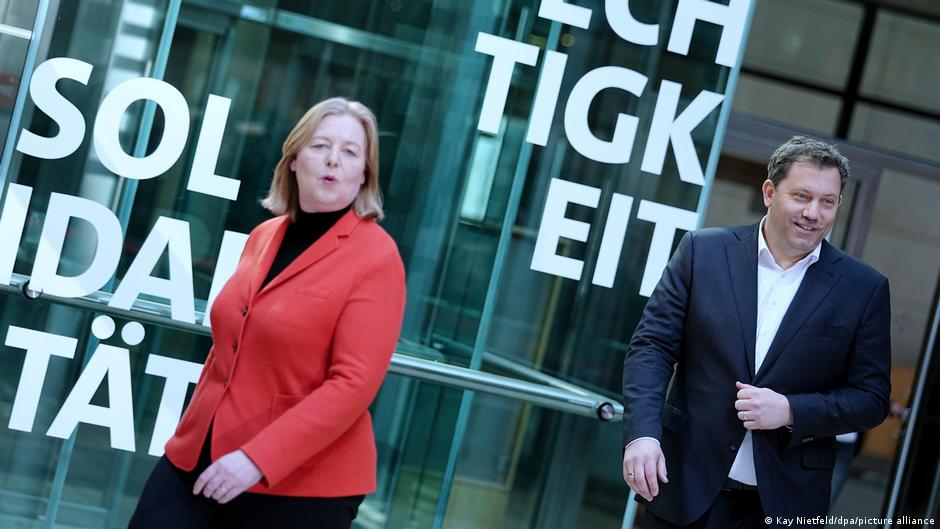

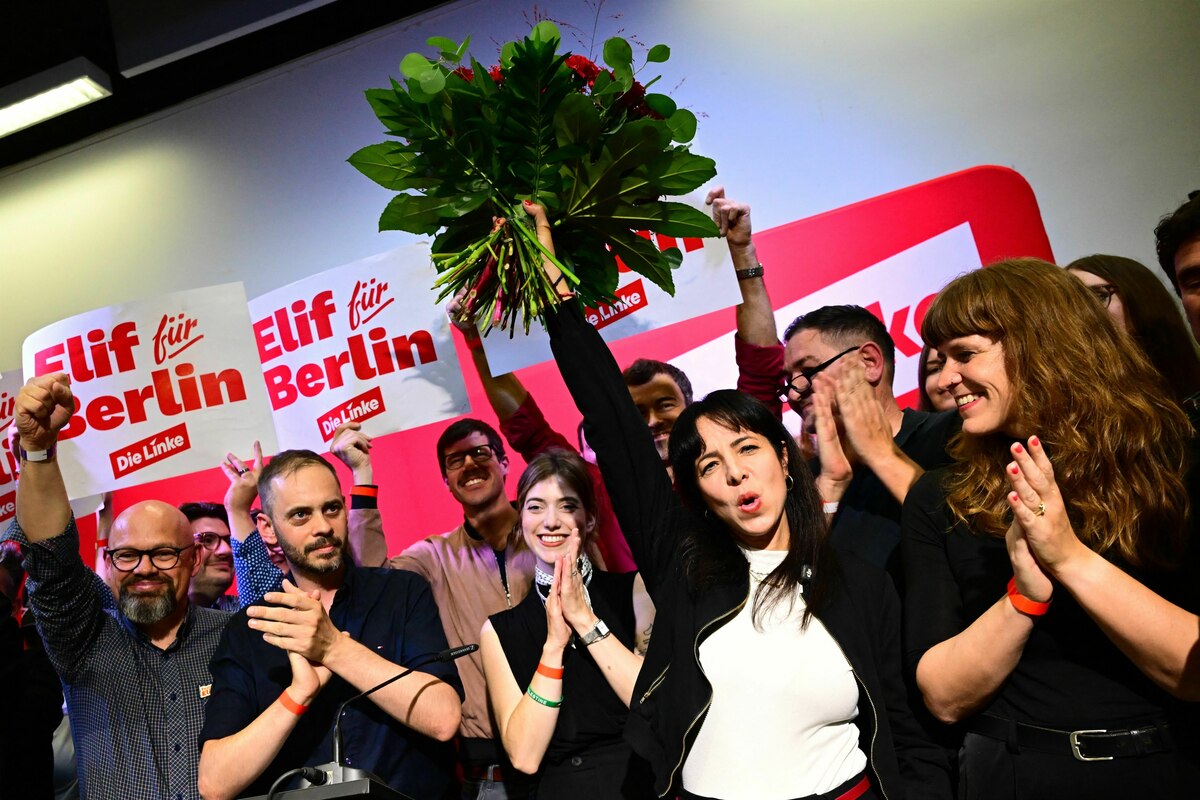
Evidenced relationships involving significant participants beyond the central cast.
The Event names the Council as actor.
The Event names the SPD as actor and Die Linke as target.
The Event names Söder as actor and the Berlin state government as target.
This edition freezes the complete served membership and analysis available through its UTC cutoff. Later repairs or identity changes do not rewrite what this edition showed.
Stories are reporting clusters. Events are coded occurrences within that reporting. The cast contains 197 canonical people and organizations linked to the retained evidence.
Story-to-Event edges identify supporting reporting. Entity-to-Event edges identify recorded actor or target participation. Mentions and analytical roles stay visibly distinct from recorded participation.
Core, precursor, and continuation labels organize the reading. They do not by themselves establish causation. Collapsed graph groups and paginated evidence change presentation only; counts use the complete retained edition.