
Archive / older article setsMay 16, 2026, 1:35 PM UTC

Semafor Africa
Weekly check of semafor.com · May 16, 2026, 1:35 PM UTC
top stories covered by GDELT Cloud
- In our data before publication0
- Precursor in our data6
- Related context only2
- Not found2
The articles
 semafor.comMay 15, 2026, 1:42 PM UTCNigerian fans edit anime with Afrobeat soundtracks on TikTokRelated context before publication
The article is about Nigerian users editing anime clips with Afrobeat on TikTok. None of the candidate stories describe that story cluster or a clear direct lead-up. The TikTok deactivation event in Indonesia is only loose platform context; it is not a useful analyst precursor pattern for this article because it concerns child-account enforcement in another country, not Nigerian anime/FYP trends or creator behavior. The other stories/events are unrelated Nigeria or media-security coverage.
Nigerian fans edit anime with Afrobeat soundtracks on TikTok Young Nigerians on TikTok are re editing popular Japanese anime fight scenes with scores from Afropop and Afrobeat. Shows including Naruto , Demon Slayer , and Jujutsu Kaisen have been injected with the “dense percussio
- 17.1 days beforeApr 28, 12:15BackgroundTECHNOLOGYIndonesia1 articleIndonesia’s Komdigi deactivates 1.7 million TikTok accounts under age 16
- PublishedMay 15, 13:42Semafor AfricaNigerian fans edit anime with Afrobeat soundtracks on TikTok
 semafor.comMay 15, 2026, 1:40 PM UTCNearly 60% of self-employed women in Nigeria use WhatsApp for workRelated context before publication
The AfDB/DBN women-led MSME funding story is Nigeria-specific and women-entrepreneurship related, so it is adjacent coverage, but it is not the same WhatsApp-work usage story. The event is a direct women-led business financing action in Nigeria before the article date, which gives some context on the business environment for self-employed women, but it does not form a useful early directional precursor pattern for WhatsApp usage specifically. The other candidates are either about WhatsApp in other countries or unrelated policy/telecom items.
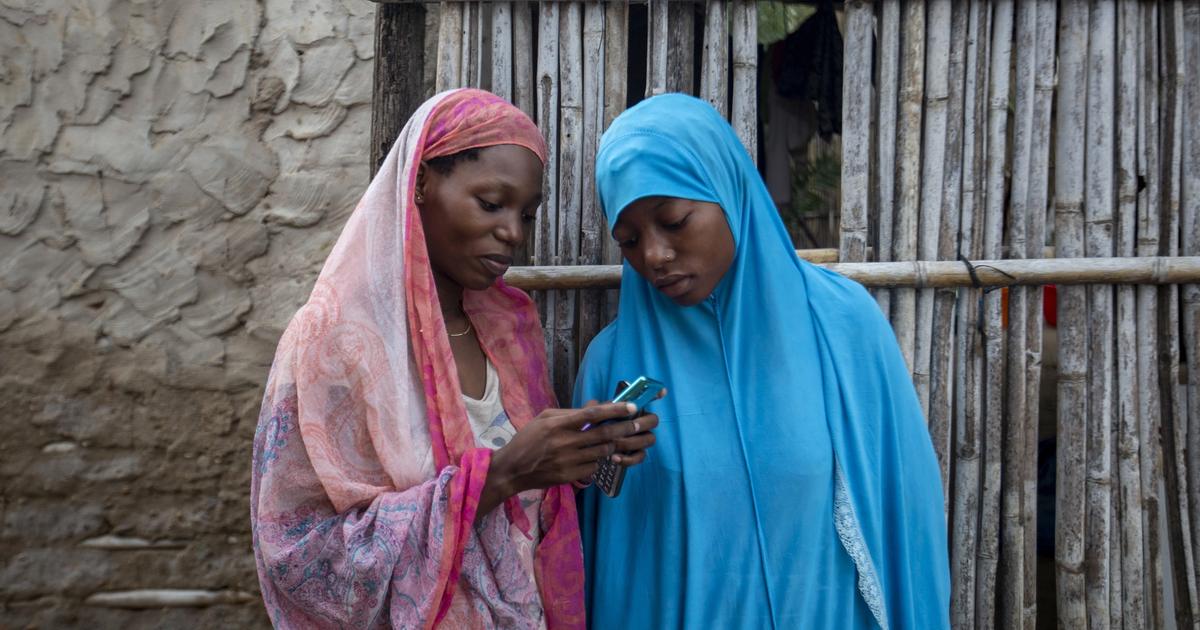
Nearly 60% of self employed women in Nigeria use WhatsApp for work Nearly 60% of self employed women in Nigeria use WhatsApp to earn an income, the highest rate across four countries surveyed in a new study. Around 1 in 6 working age women across India, Kenya, Nigeria, and Pakist
- 2.4 days beforeMay 13, 03:27BackgroundECONOMICNigeria1 articleDBN and AfDB launch $61m package to fund women-led MSMEs
- PublishedMay 15, 13:40Semafor AfricaNearly 60% of self-employed women in Nigeria use WhatsApp for work
 semafor.comMay 15, 2026, 1:36 PM UTCSouth Africa’s rail network opens to 11 private firmsNothing relevant found
The Semafor article and the GDELT stories both describe the same rail liberalization action in South Africa: Transnet granting 11 private firms access to operate on the national rail network/freight corridors. The linked event is the direct incident thread for that announcement, not a precursor pattern; it is the same news event anchored on the announcement itself.
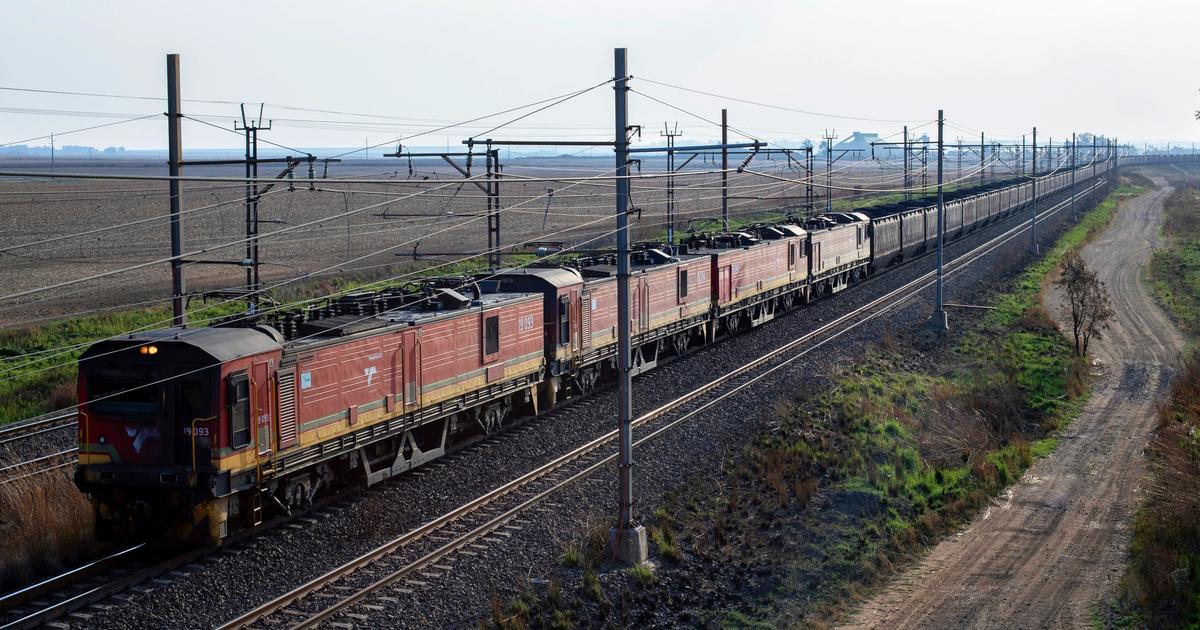
South Africa’s rail network opens to 11 private firms South Africa granted 11 private companies permission to operate trains on the national rail network for the first time in more than a century, a move aimed at boosting mineral exports and easing financial pressure on state own
- 2 days beforeMay 13Storycameoplus_infrastructure1 articleSouth Africa allows 11 private firms to operate freight trains
- 2 days beforeMay 13Storycameoplus_infrastructure1 articleTransnet announces plans to create 11 Train Operating Companies
- 2 days beforeMay 13, 13:10Same developmentINFRASTRUCTURESouth Africa1 articleTransnet announces plans to create 11 Train Operating Companies
- PublishedMay 15, 13:36Semafor AfricaSouth Africa’s rail network opens to 11 private firms
 semafor.comMay 15, 2026, 1:31 PM UTCRwandan president shrugs off US sanctions over DR CongoPrecursor 14.1 days before publication
The Semafor piece is part of the same Kagame/Rwanda sanctions coverage cluster as the May 14 story on Kagame saying Congo-linked sanctions are hurting Rwanda. The US sanctions on Joseph Kabila are a useful precursor signal because they directly set up Kagame’s May 15 response about sanctions and eastern DR Congo; the later, broader sanctions action also belongs to the same sanctions thread. I did not treat the Kabila reaction stories as same_story because they center on Kabila, not Kagame, but they are directly related context.
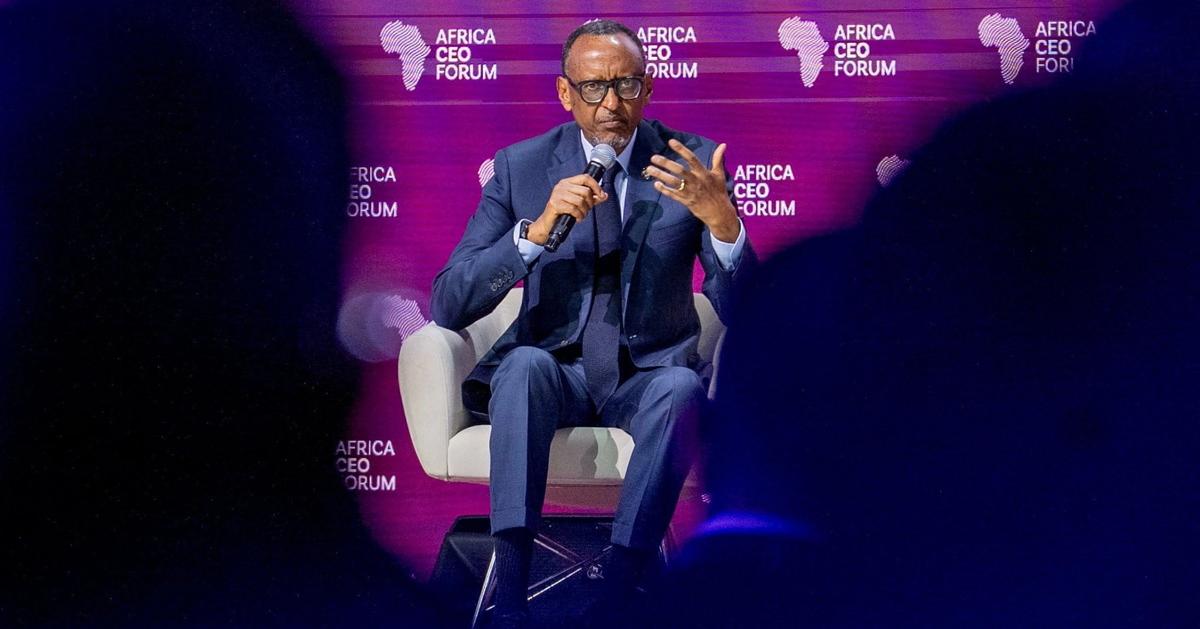
Rwandan president shrugs off US sanctions over DR Congo Rwanda’s President Paul Kagame speaks during the Africa CEO Forum in Kigali. Rwandan President Paul Kagame said US sanctions imposed on his military will not alter Kigali’s stance over eastern DR Congo, dismissing the restri
- 14.1 days beforeMay 1, 12:09PrecursorPOLITICALUnited States2 articlesU.S. sanctions target DR Congo ex-president Joseph Kabila over M23 links
- 12 days beforeMay 3, 13:06PrecursorPOLITICALUnited States2 articlesU.S. imposes sanctions on former DRC president for armed group support
- 1 day beforeMay 14Storycameoplus_political1 articleRwanda President Kagame says Congo-linked sanctions are hurting Rwanda
- PublishedMay 15, 13:31Semafor AfricaRwandan president shrugs off US sanctions over DR Congo
 semafor.comMay 15, 2026, 1:29 PM UTCAngola backs mining investment, not sales quotas or export bansPrecursor 5 days before publication
The article is about Angola favoring mining investment over restrictive export controls. The Botswana/Lobito refinery story is related Angola minerals/investment coverage, but it is not clearly the same story. The Angola ambassador’s May 10 investment pitch to Nigerian business leaders is a useful precursor signal: it shows the same pro-investment policy direction ahead of the May 15 article, even though it is diplomatic/business promotion rather than the exact export-quota issue.
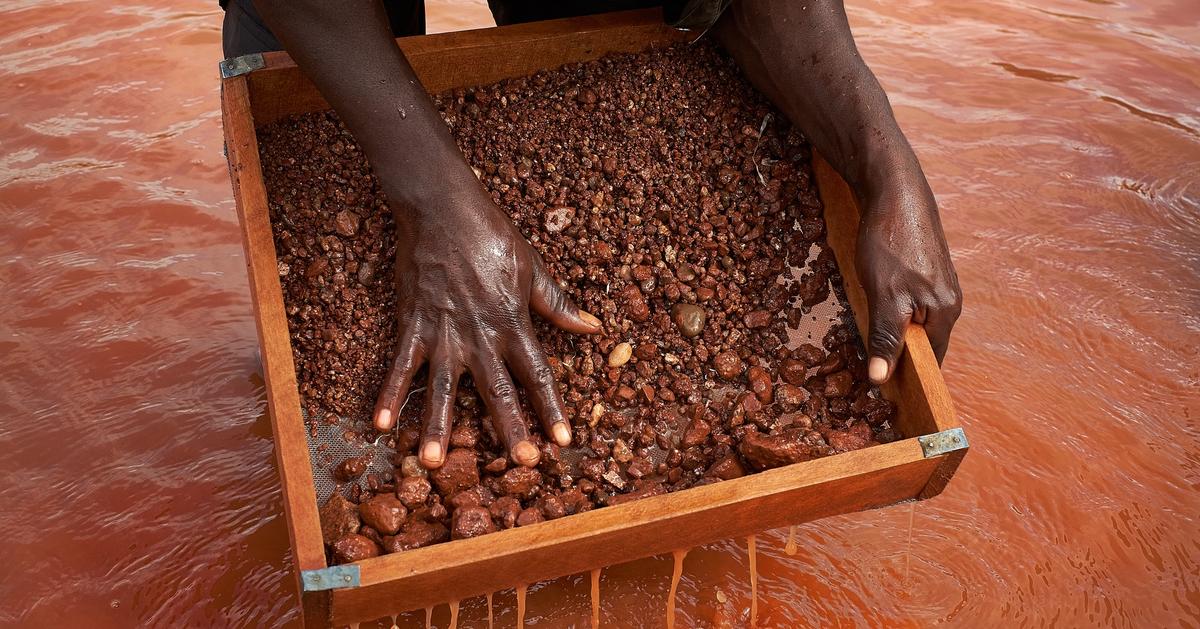
Angola backs mining investment, not sales quotas or export bans Olivier Polet/Corbis via Getty Images Angola does not plan to pursue punitive measures against mining companies such as export quotas or bans in order to bolster its domestic mining industry, a senior minerals minist
- 5 days beforeMay 10, 14:08PrecursorPOLITICALNigeria1 articleAngolan ambassador invites Nigerian businessmen to invest in Bengo
- PublishedMay 15, 13:29Semafor AfricaAngola backs mining investment, not sales quotas or export bans
 semafor.comMay 15, 2026, 1:28 PM UTCAfrican leaders call for an end to extractive foreign miningPrecursor 20 hours before publication
The story about Dangote, Museveni and Ruto opposing raw material exports is clearly about the same broader Africa resource-nationalism/mining theme, but it is not clearly the same coverage cluster as the Semafor article. The Tinubu–Doumbouya event is a useful precursor because it occurred before the article, at the same Africa CEO Forum, and explicitly mentions minerals and metals cooperation—an analyst would reasonably see that as early directional context for later anti-extractive-mining rhetoric. The other events are broader or off-topic and do not add much.
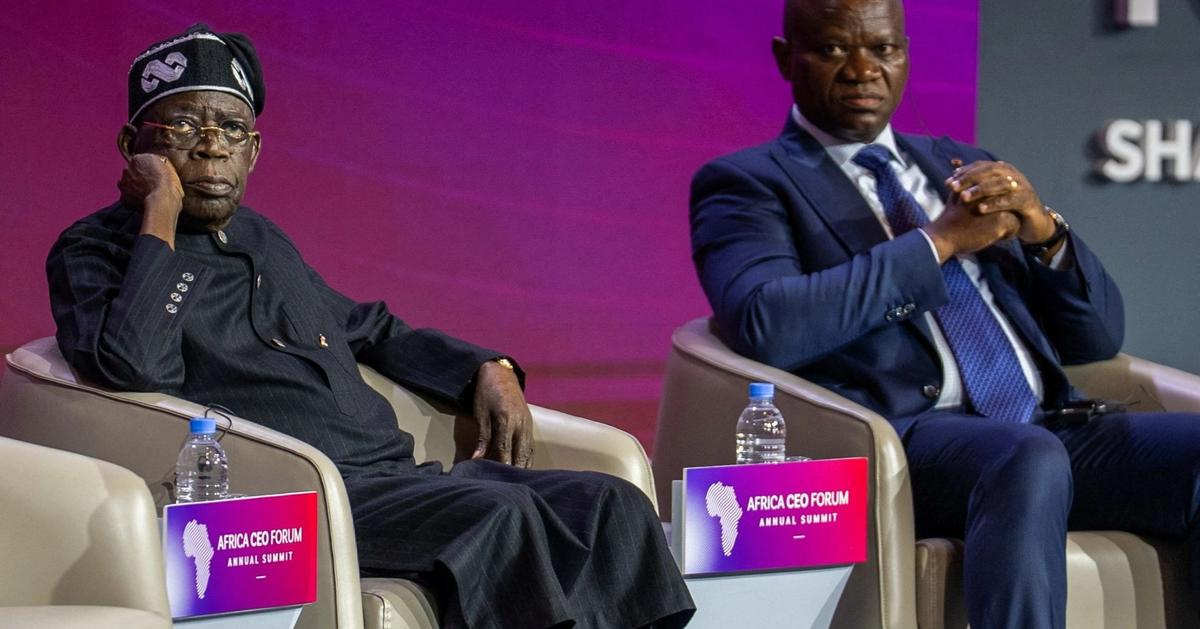
African leaders call for an end to extractive foreign mining Nigeria’s President Bola Tinubu and Gabon’s President Brice Oligui Nguema at the Africa CEO Forum in Kigali. Sign up for Semafor Africa: A rapidly growing continent’s crucial stories. Read it now. The tougher rhetoric,
- 20 hours beforeMay 14, 17:12PrecursorPOLITICALRwanda2 articlesPresident Tinubu invites Guinea President Mamady Doumbouya for state visit to Nigeria
- PublishedMay 15, 13:28Semafor AfricaAfrican leaders call for an end to extractive foreign mining
 semafor.comMay 14, 2026, 11:31 AM UTCAfrica’s energy producers race to boost outputPrecursor 20.7 days before publication
The article is a broad Africa energy-independence / output-boosting roundup, not clearly the same cluster as any single story here, but the candidate stories cover closely related Africa energy diversification themes. The selected events are useful precursor signals because they predate the article and collectively show the same directional pattern: governments and partners pushing energy investment, fuel-cost relief, and new power/oil capacity in Africa. They are not the same incident thread, but they would reasonably stand out to an analyst as early signals of the article’s broader theme.
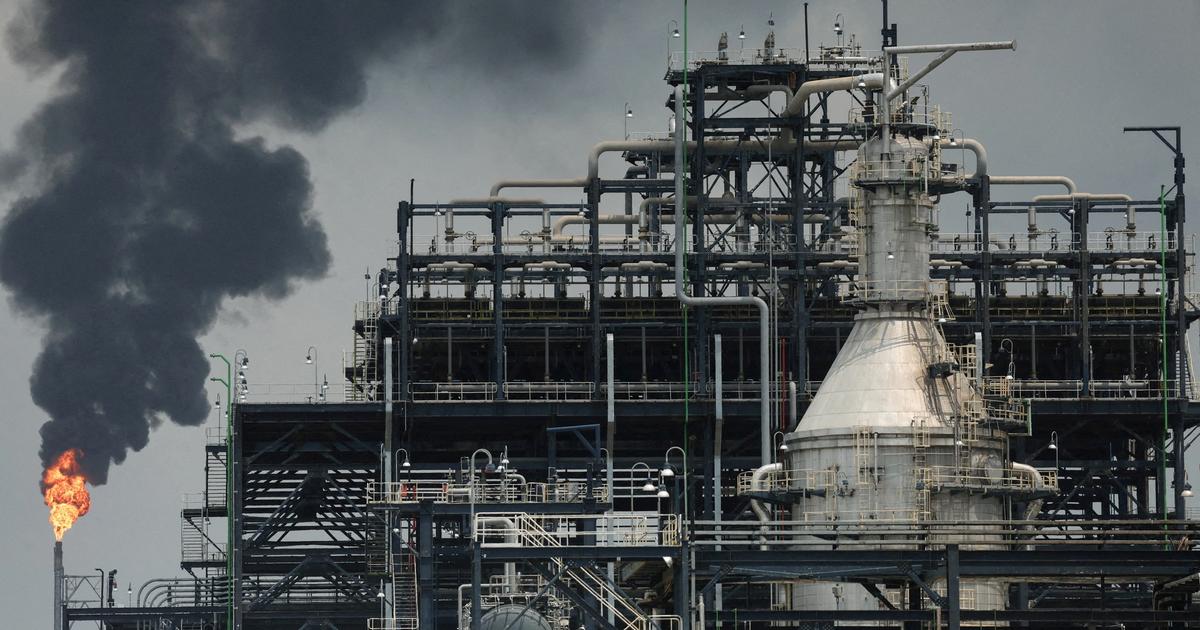
Africa’s energy producers race to boost output Countries across Africa accelerated plans to boost their energy independence as the Iran war galvanized efforts across the continent to reduce reliance on imported fuels. Senegal is courting $7.5 billion in investment to develop a ma
- 20.7 days beforeApr 23, 18:15PrecursorPOLITICALFrance2 articlesSierra Leone signs $225 million offshore oil deal with Nigeria’s Marginal Energy
- 15.8 days beforeApr 28, 15:20PrecursorECONOMICSouth Africa1 articleSouth Africa extends fuel tax cut for two more months to ease household costs
- 15.4 days beforeApr 29, 01:15PrecursorINFRASTRUCTURETunisia2 articlesTunisia approves new solar concessions: 600 MW projects to expand energy mix
- 7.3 days beforeMay 7, 05:07PrecursorINFRASTRUCTURESouth Africa1 articleJapan offers energy loan and ammonia technology to South Africa
- 2.5 days beforeMay 12, 00:05PrecursorECONOMICKenya1 articleFrance and African countries sign €23 billion investment agreement for strategic sectors
- PublishedMay 14, 11:31Semafor AfricaAfrica’s energy producers race to boost output
 semafor.comMay 13, 2026, 1:08 PM UTCView: US’ aid-for-minerals strategy courts controversyPrecursor 26.4 days before publication
The article is a commentary on the controversy around U.S. aid being tied to minerals access. The selected stories are closely related coverage of that same policy debate, but they are not clearly the exact same article cluster. The selected events are useful precursor signals because they predate the Semafor piece and show the same pattern in practice: U.S. officials linking aid/health funding and mineral access in Zambia, and a broader push to redirect financing toward critical minerals. That is a meaningful early directional pattern for an analyst, not just generic background.
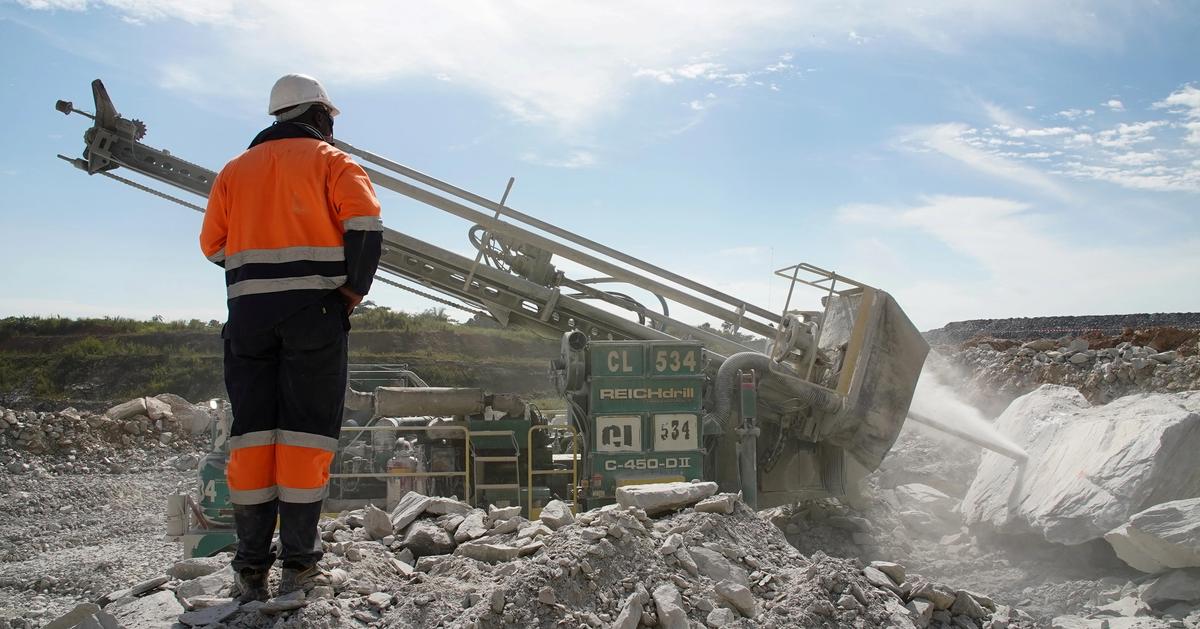
View / US’ aid for minerals strategy courts controversy Africa [...] Editor, Semafor Africa A miner observes a blast hole drill drilling into a boulder at the Kibali gold mine in Haut Uele province, Democratic Republic of Congo. Few US Africa policies have been more controversial
- 26.4 days beforeApr 17, 03:07PrecursorECONOMICUnited States1 articleScott Bessent urges World Bank shift funding to critical minerals
- 13.9 days beforeApr 29, 16:19PrecursorPOLITICALUnited States2 articlesTrump conditions Zambia HIV aid on greater US access to mineral resources
- 13.5 days beforeApr 30, 01:14PrecursorPOLITICALZambia1 articleZambia weighs opening minerals to American firms, risks losing HIV support
- 8.1 days beforeMay 5, 11:08PrecursorPOLITICALZambia2 articlesZambia rejects tying US health aid to access to strategic minerals
- PublishedMay 13, 13:08Semafor AfricaView: US’ aid-for-minerals strategy courts controversy
 semafor.comMay 13, 2026, 12:30 PM UTCTelecoms giant Airtel Africa’s revenues soarNothing relevant found
The Airtel Africa stake-increase story is about the same company and same date, so it is meaningfully related, but it is not clearly the same underlying news item as the revenue results article. None of the event candidates provide a useful precursor pattern for Airtel Africa’s revenue report; they concern MTN, Namibia, Burundi, or generic telecom infrastructure and do not directly signal Airtel Africa’s earnings.
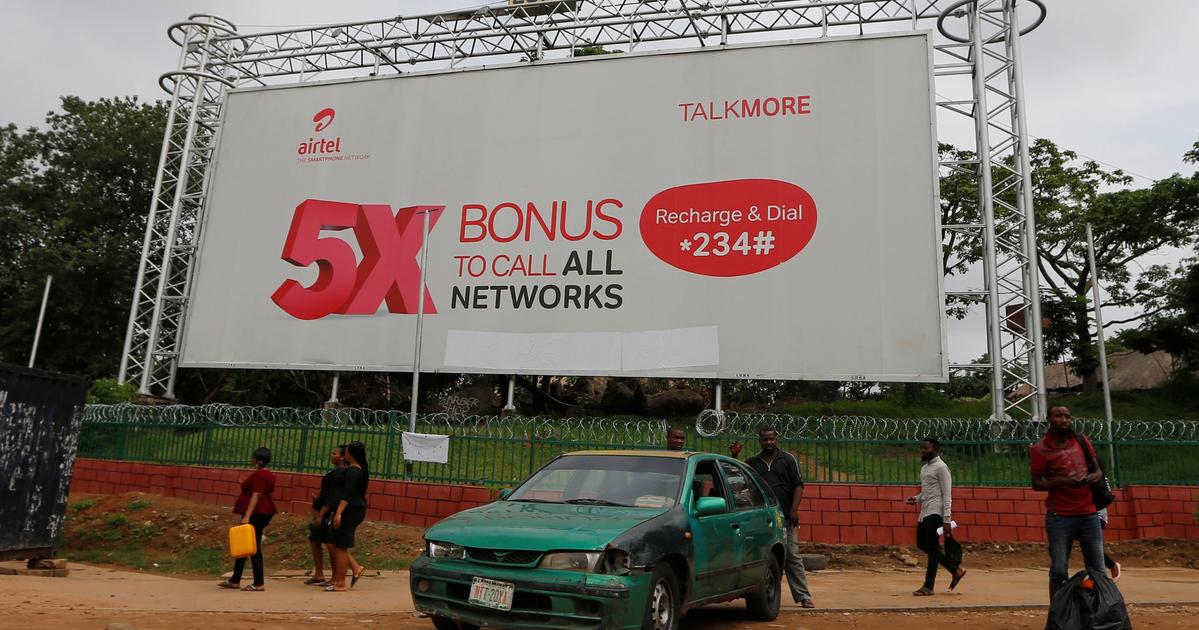
Telecoms giant Airtel Africa’s revenues soar Telecom group Airtel Africa reported $6.4 billion in revenue in the year to March, marking a nearly 30% year on year increase. Airtel operates in 14 sub Saharan African countries and experienced a 10% rise in its customer base in the s
- PublishedMay 13, 12:30Semafor AfricaTelecoms giant Airtel Africa’s revenues soar
 semafor.comMay 13, 2026, 12:27 PM UTCEV imports to Africa from China surged in 2025Precursor 5.3 days before publication
The selected story is only broadly related: it concerns EV strategy in emerging markets, but not the same Africa-imports-from-China trade pattern. The selected event is a useful precursor signal because China’s tariff removal on most African imports could plausibly contribute to or foreshadow increased trade flows and market access around China-Africa goods trade before the article date. It is not the same incident as the article, but it is directly relevant analyst context. The other candidates are EV policy/corporate moves in Malaysia, China, India, or Europe and do not materially connect to the article’s Africa-from-China import surge.
EV imports to Africa from China surged in 2025 Demand for electric vehicles in Africa is surging, as the energy crisis sparked by the war in Iran exposes the risks of overreliance on fuel imports on the continent. In 2025, African countries imported more than 44,000 electric vehi
- 5.3 days beforeMay 8, 04:11PrecursorECONOMICChina1 articleChina removes tariffs on most African imports, except one country
- PublishedMay 13, 12:27Semafor AfricaEV imports to Africa from China surged in 2025