
Significance
19 measured / 19 eligible · 0 missing · 0 not applicable
score (0 to 1) · Event-level distribution, not a Situation risk score.
across all 19 events
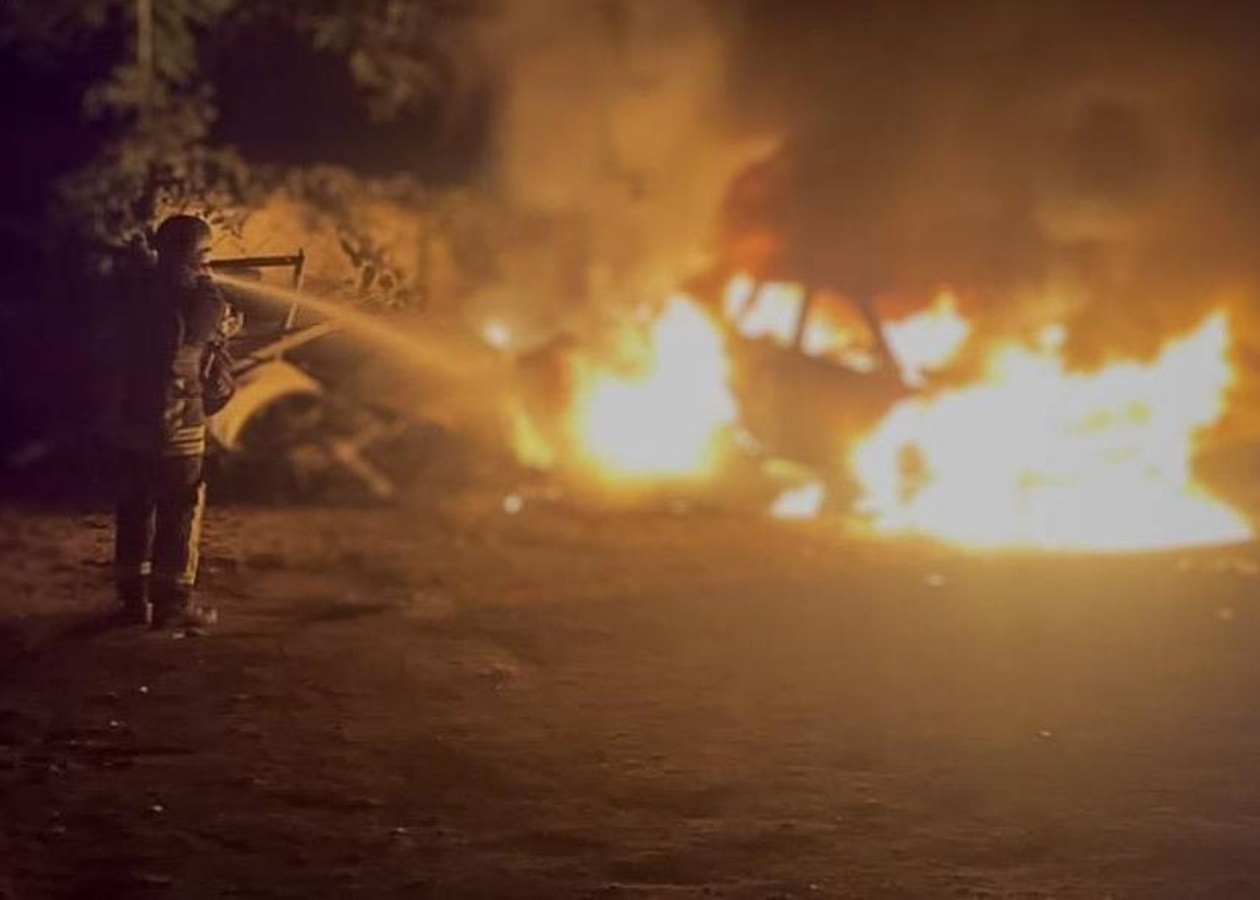
On September 20, Ukraine struck a Russian oil refinery in the coded Event “Ukraine strikes Russian oil refinery despite Trump appeal,” while Russian forces carried out drone strikes that killed four people in Sumy and four in the Kyiv region. [cite] The headline “Ukraine launches massive drone attack on Moscow during Russian elections” described a Ukrainian attack on Moscow, while “Russia vows harsh retaliation for Ukrainian drone attacks, targeting Kyiv” presented Russia’s threatened response. [cite] On September 21, Russian forces struck an enterprise in Kropyvnytskyi district, critical infrastructure in Poltava and a Ukrainian military logistics center. [cite] Donald Trump agreed to meet Volodymyr Zelenskyy on September 20, called for the Ukraine war to end and urged Zelenskyy to halt strikes on Russian oil refineries on September 21. [cite] Trump also publicly said Ukraine had cost Russia control of its oil industry. [cite]
Footnotes[17][10][11][2][5][12][13][15][14][16][1][19]The selected Events include material conflict involving Ukraine and Russia, alongside political actions involving Donald Trump and Volodymyr Zelenskyy. Twelve of the fifteen coded Events are classified as Material Conflict and three as Verbal Cooperation, with the aggregate Goldstein scale averaging -7.0; these classifications describe the selected Events and do not by themselves establish a change in real-world intensity. [cite] The Russian strikes and their reported civilian consequences are supported by several coded Events, while the Ukrainian refinery Event has confidence 0.42 and reports zero fatalities despite the Story “Ukrainian drones strike oil refinery in Moscow region, killing two.” [cite] Trump’s appeals and meeting agreement are established as political actions, but the material Events do not establish that his appeals changed the strikes. [cite]
Footnotes[22][10][11][17][3][2][7][14][16][4][2][8]Explanation originally captured 2026-09-22 · Evidence through 2026-09-22 UTC · Source edition sed_10b9004f9ac7e03e1ed72b81068d407c
A 3-day Situation represented by 19 coded Events carried across 37 member Stories.
The coded activity is led by AIR/DRONE STRIKE (12) and 01 · Make Public Statement (2).
Donald Trump, Volodymyr Zelenskyy, and Emmanuel Macron are prominent in the retained actor and relationship evidence.
109 canonical Entities are linked to this edition.
Metric coverage. 19 coded Events · 6 CAMEO+ · 13 conflict. The four dimensions describe the CAMEO+ subset; conflict Events do not carry these scores.
Dot = mean · shaded span = observed range · position uses each metric’s defined scale.
How the coder scored the full retained Event set
19 coded events — 6 CAMEO+ (6 political) · 13 conflict
Quad class over those 19 events · Material Conflict 13 · Verbal Cooperation 6. The four CAMEO+ scores are over the 6 CAMEO+ events only; the 13 conflict events have no such column.
19 measured / 19 eligible · 0 missing · 0 not applicable
score (0 to 1) · Event-level distribution, not a Situation risk score.
across all 19 events
6 measured / 6 eligible · 0 missing · 13 not applicable
score (0 to 10) · Event-level distribution, not a Situation risk score.
across the 6 of 19 events coded in the CAMEO+ family; the conflict family has no such column
6 measured / 6 eligible · 0 missing · 13 not applicable
score (0 to 1) · Event-level distribution, not a Situation risk score.
across the 6 of 19 events coded in the CAMEO+ family; the conflict family has no such column
6 measured / 6 eligible · 0 missing · 13 not applicable
score (0 to 1) · Event-level distribution, not a Situation risk score.
across the 6 of 19 events coded in the CAMEO+ family; the conflict family has no such column
6 measured / 6 eligible · 0 missing · 13 not applicable
score (0 to 1) · Event-level distribution, not a Situation risk score.
across the 6 of 19 events coded in the CAMEO+ family; the conflict family has no such column
19 measured / 19 eligible · 0 missing · 0 not applicable
score (-10 to 10) · Event-level distribution, not a Situation risk score.
across the 19 of 19 events Goldstein is defined on — CAMEO+ POLITICAL and the conflict family; the other nine CAMEO+ domains have no Goldstein semantics
13 measured / 13 eligible · 0 missing · 6 not applicable
reported people · Reports may overlap; these are Event-level reports, not an additive unique human toll.
across the 13 of 19 events that report a toll — the conflict family only, and never 0 on a CAMEO+ event
19 measured / 19 eligible · 0 missing · 0 not applicable
score (0 to 1) · Event-level distribution, not a Situation risk score.
across all 19 events
This retained edition, independent of graph and page limits. Different dimensions, not a blended risk score; reported tolls may overlap.
2026-09-22from the recordslatest
Russian forces strike Ukrainian radar and communications stations
16 Stories and 1 coded Event (-5 / -9 against the day before). Widest coverage: Trump to pressure Zelensky over energy truce at meeting (32 articles).
What kind of event · 7 coded types
over 19 coded events on this edition
Countries · where it happened
Countries · who is acting
Selected from the complete retained edition
The core thread joins Ukraine’s coded strike on a Russian oil refinery with Russian drone strikes across Sumy, Kyiv, Kirovohrad and Poltava and a strike on a Ukrainian military logistics center. [cite]
“Ukraine launches massive drone attack on Moscow during Russian elections” describes a Ukrainian drone attack on Moscow, and the linked coded Event is titled “Ukraine strikes Russian oil refinery despite Trump appeal.” [cite]
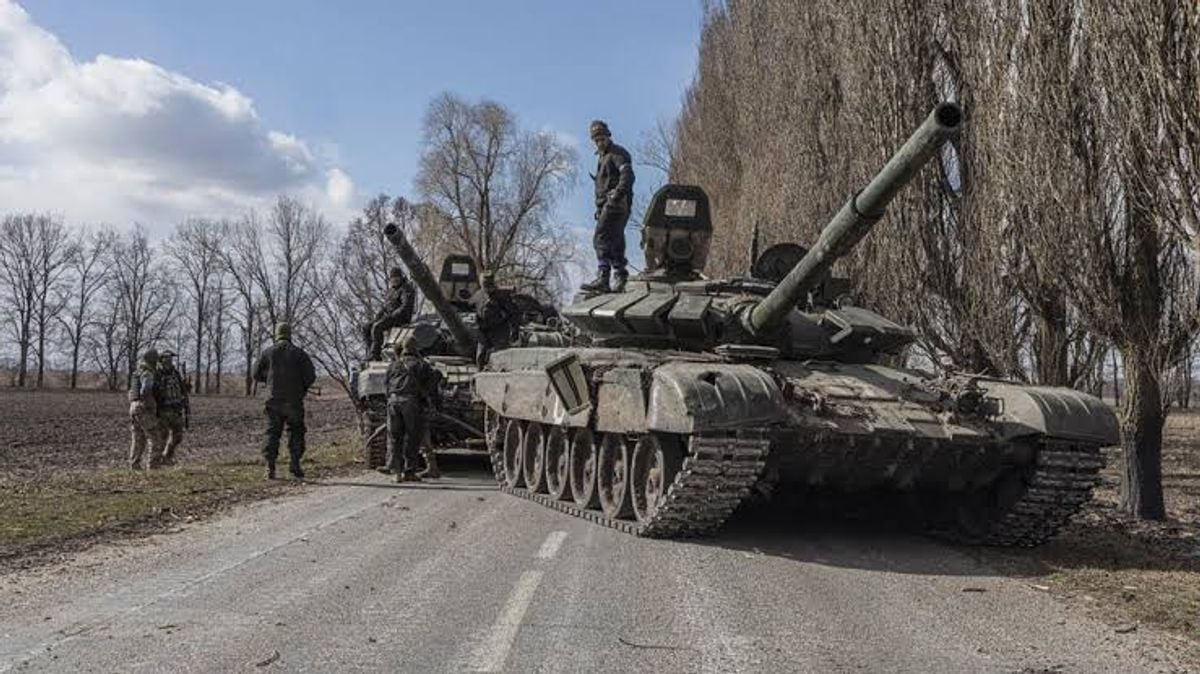
Russian Events cover fatal drone strikes in Sumy and Kyiv, a strike on a Kropyvnytskyi-district enterprise, damage to Poltava critical infrastructure and an attack on a Ukrainian military logistics center. [cite]
Donald Trump agreed to meet Volodymyr Zelenskyy, called for the Ukraine war to end, urged an end to refinery strikes and made a public statement about Russia’s oil industry. [cite]
Russian air defenses are associated with a coded Event describing the destruction of 13 drones over Kaluga, while “Russia vows harsh retaliation for Ukrainian drone attacks, targeting Kyiv” supplies the surrounding Russian response account. [cite]
Donald Trump agreed to meet Volodymyr Zelenskyy, called for the war to end, urged Zelenskyy to halt refinery strikes and made a public statement about Russia’s oil industry. [cite]
Volodymyr Zelenskyy was the target of Trump’s September 20 meeting agreement and the reported recipient of Trump’s September 21 appeal. [cite]

On September 20, the coded Event “Ukraine strikes Russian oil refinery despite Trump appeal” placed Ukraine as actor and Russia as target; its confidence is 0.42 and its fatalities field is zero. [cite]

On September 20, Donald Trump and Volodymyr Zelenskyy agreed to meet in New York in an Event classified as verbal cooperation. [cite]

On September 21, Russian forces struck an enterprise in Kropyvnytskyi district; the Event lists one injured person and no fatalities. [cite]
Evidenced relationships involving significant participants beyond the central cast.
The Story is linked to the coded Event titled “Ukraine strikes Russian oil refinery despite Trump appeal.” [cite]
The Story is linked to the Event describing Russian drones striking a Ukrainian military logistics center. [cite]
The Story reports Russian strikes on a residential building in Sumy, while the linked Event codes four civilian deaths. [cite]
The Story reports a Russian drone attack in Kyiv that killed three children and a woman; the linked Event codes four fatalities. [cite]
The Event binds Donald Trump as source actor and Volodymyr Zelenskyy as target actor. [cite]
This edition freezes the complete served membership and analysis available through its UTC cutoff. Later repairs or identity changes do not rewrite what this edition showed.
Stories are reporting clusters. Events are coded occurrences within that reporting. The cast contains 109 canonical people and organizations linked to the retained evidence.
Story-to-Event edges identify supporting reporting. Entity-to-Event edges identify recorded actor or target participation. Mentions and analytical roles stay visibly distinct from recorded participation.
Core, precursor, and continuation labels organize the reading. They do not by themselves establish causation. Collapsed graph groups and paginated evidence change presentation only; counts use the complete retained edition.