
Significance
16 measured / 16 eligible · 0 missing · 0 not applicable
score (0 to 1) · Event-level distribution, not a Situation risk score.
across all 16 events
On October 10, Donald Trump imposed sanctions on the International Criminal Court, as described in “US imposes sweeping sanctions on International Criminal Court”; a separate Event dates a U.S. sanctions action to October 9 and names a Hague judge as its target. The European Union signaled possible measures against the United States on October 9, then urged the United States on October 10 to drop or lift the sanctions. Canada and seven partners criticized the sanctions, while Ukraine’s foreign ministry reaffirmed support for the Court in “Ukraine reaffirms support for ICC independence after US sanctions.” The United Nations criticized the sanctions, and Amnesty International urged countries to reject them. “Nobel laureate Navi Pillay condemns US sanctions on International Criminal Court” reports Pillay’s condemnation. On October 11, Iran also condemned the United States over the sanctions, in the same reporting period as “U.S. imposes sweeping sanctions on International Criminal Court.”
Footnotes[7][8][3][9][10][11][12][5][13][15][2][14]The central action is the imposition of sanctions, followed by statements of criticism, support, and appeals to withdraw or lift them. The two sanctions Events differ: one dates the action October 9 and names the United States and a Hague judge; the other dates it October 10 and names Donald Trump and the International Criminal Court. They establish related accounts of sanctions, but do not establish that two separate actions occurred. The European Union’s signal concerned possible measures; its later demand, Ukraine’s endorsement, and Amnesty International’s public statement establish stated positions, not a reversal of sanctions or effects on the Court’s work.
Footnotes[8][7][9][10][15][12][15][3]Explanation originally captured 2026-10-12 · Evidence through 2026-10-12 UTC · Source edition sed_4ae5bb039ace6f13b0d763f334a6825f
A 4-day Situation represented by 16 coded Events carried across 13 member Stories.
The coded activity is led by 111 · Criticize or Denounce (9) and 163 · Impose Embargo/sanctions (2).
International Criminal Court, Donald Trump, and European Union are prominent in the retained actor and relationship evidence.
67 canonical Entities are linked to this edition.
Metric coverage. 16 coded Events · 16 CAMEO+ · 0 conflict. The four dimensions describe the CAMEO+ subset; conflict Events do not carry these scores.
Dot = mean · shaded span = observed range · position uses each metric’s defined scale.
How the coder scored the full retained Event set
16 coded events — 16 CAMEO+ (16 political)
Quad class over those 16 events · Verbal Conflict 11 · Verbal Cooperation 3 · Material Conflict 2. No conflict-family event here, so nothing carries a fatality count — a missing column, not a toll of zero.
16 measured / 16 eligible · 0 missing · 0 not applicable
score (0 to 1) · Event-level distribution, not a Situation risk score.
across all 16 events
16 measured / 16 eligible · 0 missing · 0 not applicable
score (0 to 10) · Event-level distribution, not a Situation risk score.
across all 16 events — every one of them CAMEO+
16 measured / 16 eligible · 0 missing · 0 not applicable
score (0 to 1) · Event-level distribution, not a Situation risk score.
across all 16 events — every one of them CAMEO+
16 measured / 16 eligible · 0 missing · 0 not applicable
score (0 to 1) · Event-level distribution, not a Situation risk score.
across all 16 events — every one of them CAMEO+
16 measured / 16 eligible · 0 missing · 0 not applicable
score (0 to 1) · Event-level distribution, not a Situation risk score.
across all 16 events — every one of them CAMEO+
16 measured / 16 eligible · 0 missing · 0 not applicable
score (-10 to 10) · Event-level distribution, not a Situation risk score.
across the 16 of 16 events Goldstein is defined on — CAMEO+ POLITICAL and the conflict family; the other nine CAMEO+ domains have no Goldstein semantics
16 measured / 16 eligible · 0 missing · 0 not applicable
score (0 to 1) · Event-level distribution, not a Situation risk score.
across all 16 events
This retained edition, independent of graph and page limits. Different dimensions, not a blended risk score; reported tolls may overlap.
2026-10-12from the recordslatest
US sanctions ICC hours after former judge wins Nobel Peace Prize
2 Stories and 0 coded Events (0 / -1 against the day before). Widest coverage: US sanctions ICC hours after former judge wins Nobel Peace Prize (6 articles).
What kind of event · 7 coded types
over 16 coded events on this edition
Countries · where it happened
Countries · who is acting
Selected from the complete retained edition
“US imposes sweeping sanctions on International Criminal Court” reports the sanctions, while “Canada backs International Criminal Court after U.S. imposes sanctions” reports Canadian backing for the Court following the U.S. sanctions.
The European Union’s demand to lift sanctions and Ukraine’s reaffirmed support for the Court are reported in “EU urges US to lift sanctions on International Criminal Court” and “Ukraine reaffirms support for ICC independence after US sanctions.”
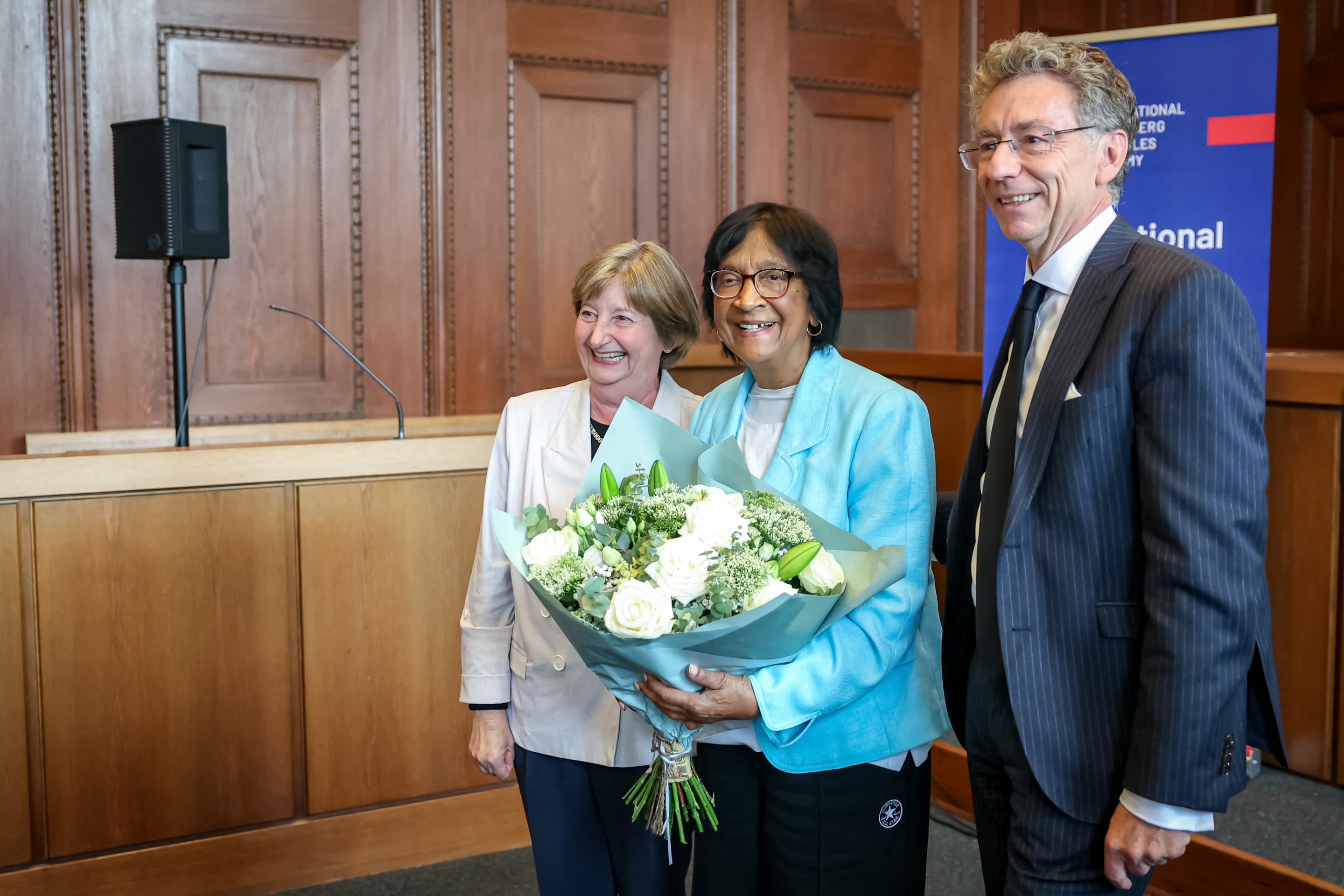
“Nobel laureate Navi Pillay condemns US sanctions on International Criminal Court” reports Pillay’s condemnation.
“Nobel laureate Navi Pillay condemns US sanctions on International Criminal Court” reports Pillay’s condemnation.
Footnotes[2]The International Criminal Court was the target of the sanctions Event attributed to Donald Trump and of Ukraine’s expressed support.
Dated October 9, this Event describes the United States imposing sanctions on the International Criminal Court and names a Hague judge as the target.
Dated October 9, this Event describes the United States imposing sanctions on the International Criminal Court and names a Hague judge as the target.
Footnotes[8]Dated October 10, this Event names Donald Trump as the source of sanctions and the International Criminal Court as the target.
Dated October 10, this Event names Donald Trump as the source of sanctions and the International Criminal Court as the target.
Footnotes[7]On October 9, the European Union signaled possible measures against the United States.
On October 9, the European Union signaled possible measures against the United States.
Footnotes[9]On October 9, Canada and seven partners criticized U.S. sanctions on the Court.
On October 9, Canada and seven partners criticized U.S. sanctions on the Court.
Footnotes[11]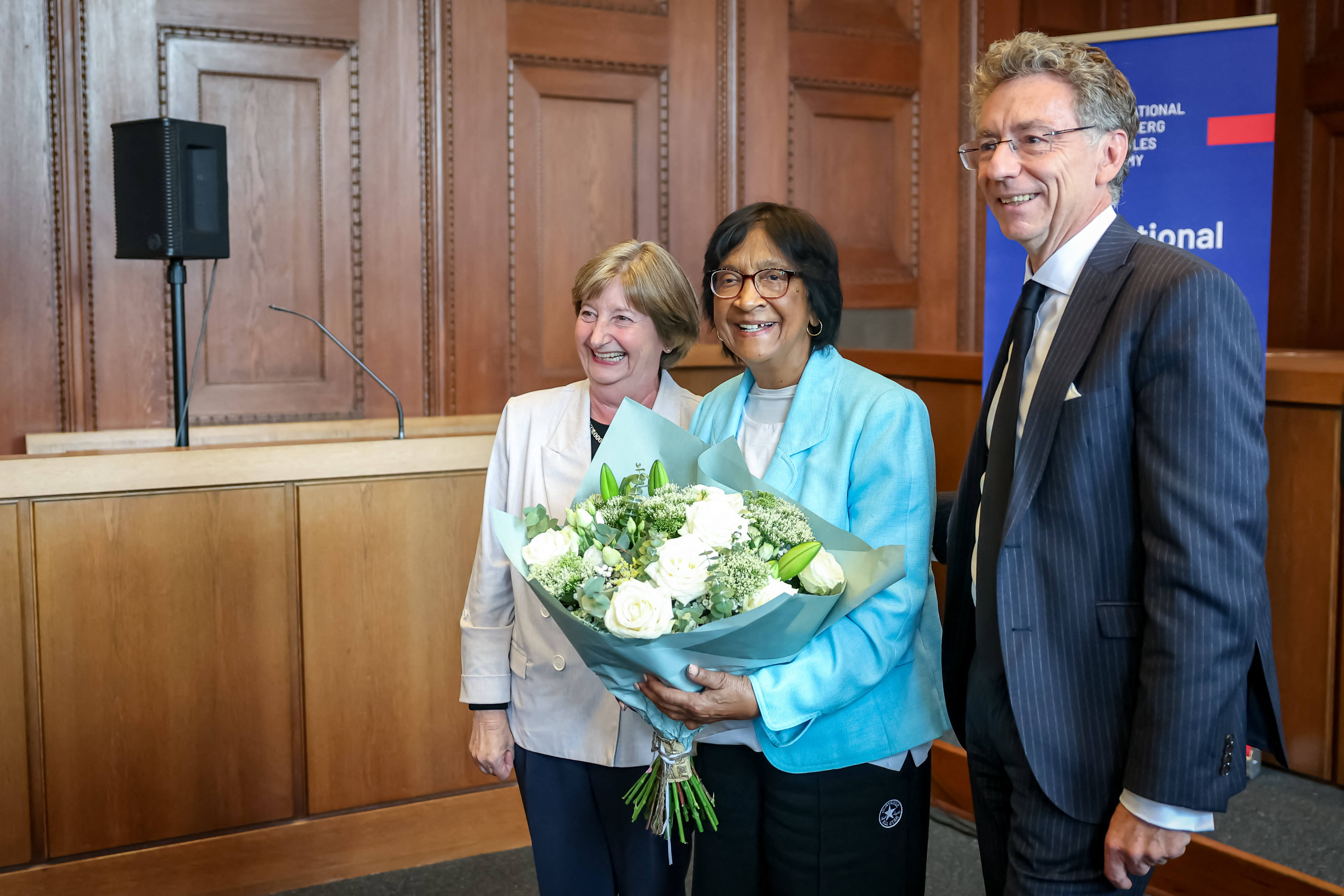
On October 10, the European Union demanded that the United States withdraw sanctions targeting the Court.
On October 10, the European Union demanded that the United States withdraw sanctions targeting the Court.
Footnotes[10]Evidenced relationships involving significant participants beyond the central cast.
The Event names the International Criminal Court as its target.
The Event names the European Union as its source actor.
The Event names the International Criminal Court as its target.
The Event names the United Nations as its source actor.
This edition freezes the complete served membership and analysis available through its UTC cutoff. Later repairs or identity changes do not rewrite what this edition showed.
Stories are reporting clusters. Events are coded occurrences within that reporting. The cast contains 67 canonical people and organizations linked to the retained evidence.
Story-to-Event edges identify supporting reporting. Entity-to-Event edges identify recorded actor or target participation. Mentions and analytical roles stay visibly distinct from recorded participation.
Core, precursor, and continuation labels organize the reading. They do not by themselves establish causation. Collapsed graph groups and paginated evidence change presentation only; counts use the complete retained edition.