
Significance
38 measured / 38 eligible · 0 missing · 0 not applicable
score (0 to 1) · Event-level distribution, not a Situation risk score.
across all 38 events
SituationLatvia
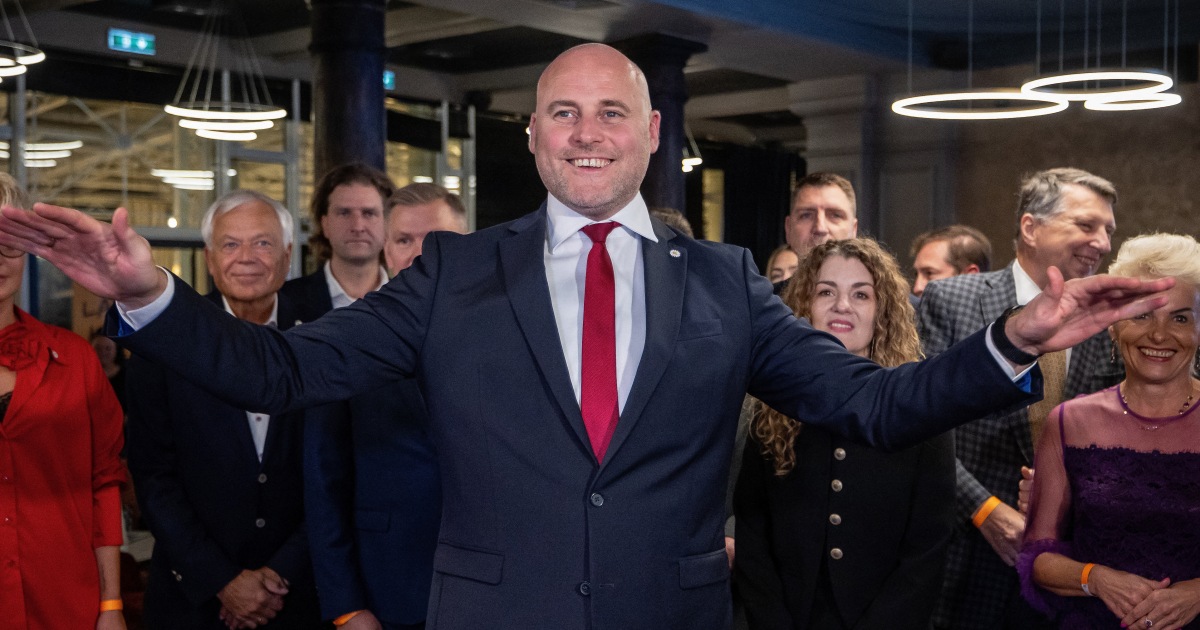
Latvia held its parliamentary election on 2 October, as “Latvia holds elections for a new national parliament” reports; the next-day account “Latvians vote in election amid drone incursions and war in Ukraine” places the vote against a security backdrop. “Latvia's governing coalition projected to win election decisively” described a projection on 4 October, while “Kulbergs' United List wins Latvian election and prepares to form government” reported a United List win on 5 October. On 6 October, the President of Latvia tasked Andris Kulbergs with forming a government; Kulbergs then said parties backing change would be included in the coalition. On 9 November, Kulbergs held another round of talks with National Alliance, while “Kulbergs leaves Latvia's next coalition plans unclear after National Alliance talks” described the plans as unclear. The Story “Latvian prime minister's party forms coalition with National Alliance” is linked to one Event saying the United List and National Alliance agreed to form a government on 15 November and another saying New Unity formed a coalition with National Alliance on 16 November. Kulbergs announced a government lineup and policy declaration on 17 November; “Latvian parliament approves Andris Kulbergs' new right-wing government” reports approval on 18 November, and a separate Story says an AS deputy withheld support.
Footnotes[35][18][17][15][14][26][13][34][21][6][4][23]The election result headlines do not reconcile the difference between a projected governing-coalition win and the later reported United List win. The President’s 6 October task and the 4 November nomination of Kulbergs are both reported, but their procedural relationship is not explained. Nor does the shared coalition Story settle which party configuration formed the coalition: its linked Events name the United List and New Unity, respectively, alongside National Alliance. The 16 November ministry account describes a plan to abolish the Climate and Energy Ministry, not an implemented abolition; the 17 November lineup and declaration establish announced arrangements, not that every proposed appointment took effect. The 18 November approval marks the as-of endpoint, qualified by the report that an AS deputy withheld support; Kulbergs’s explanation of that absence does not establish a broader dispute.
Footnotes[15][14][26][31][9][10][4][23][25][3][24][2]Explanation originally captured 2026-11-19 · Evidence through 2026-11-19 UTC · Source edition sed_59f60e8dfbd62c8c35ee1751d0edf4e9
A 52-day Situation represented by 38 coded Events carried across 74 member Stories.
The coded activity is led by 01 · Make Public Statement (23) and 03 · Express Intent to Cooperate (2).
Andris Kulbergs, United List, and New Unity are prominent in the retained actor and relationship evidence.
95 canonical Entities are linked to this edition.
Metric coverage. 38 coded Events · 38 CAMEO+ · 0 conflict. The four dimensions describe the CAMEO+ subset; conflict Events do not carry these scores.
Dot = mean · shaded span = observed range · position uses each metric’s defined scale.
How the coder scored the full retained Event set
38 coded events — 38 CAMEO+ (38 political)
Quad class over those 38 events · Verbal Cooperation 37 · Verbal Conflict 1. No conflict-family event here, so nothing carries a fatality count — a missing column, not a toll of zero.
38 measured / 38 eligible · 0 missing · 0 not applicable
score (0 to 1) · Event-level distribution, not a Situation risk score.
across all 38 events
38 measured / 38 eligible · 0 missing · 0 not applicable
score (0 to 10) · Event-level distribution, not a Situation risk score.
across all 38 events — every one of them CAMEO+
38 measured / 38 eligible · 0 missing · 0 not applicable
score (0 to 1) · Event-level distribution, not a Situation risk score.
across all 38 events — every one of them CAMEO+
38 measured / 38 eligible · 0 missing · 0 not applicable
score (0 to 1) · Event-level distribution, not a Situation risk score.
across all 38 events — every one of them CAMEO+
38 measured / 38 eligible · 0 missing · 0 not applicable
score (0 to 1) · Event-level distribution, not a Situation risk score.
across all 38 events — every one of them CAMEO+
38 measured / 38 eligible · 0 missing · 0 not applicable
score (-10 to 10) · Event-level distribution, not a Situation risk score.
across the 38 of 38 events Goldstein is defined on — CAMEO+ POLITICAL and the conflict family; the other nine CAMEO+ domains have no Goldstein semantics
38 measured / 38 eligible · 0 missing · 0 not applicable
score (0 to 1) · Event-level distribution, not a Situation risk score.
across all 38 events
This retained edition, independent of graph and page limits. Different dimensions, not a blended risk score; reported tolls may overlap.
2026-11-19from the recordslatest
Latvia’s Kulbergs faces economic challenges after coalition survives confidence vote
1 Story and 0 coded Events (-3 / -1 against the day before). Widest coverage: Latvia’s Kulbergs faces economic challenges after coalition survives confidence vote (1 articles).
What kind of event · 13 coded types
over 38 coded events on this edition
Countries · where it happened
Countries · who is acting
Selected from the complete retained edition
Election-day reporting and the subsequent projection and reported-win headlines establish the electoral setting; their differing descriptions do not resolve how the projection and reported result relate. Separate election coverage raises security concerns but does not establish that they changed the result.
Election-day reporting and the subsequent projection and reported-win headlines establish the electoral setting; their differing descriptions do not resolve how the projection and reported result relate. Separate election coverage raises security concerns but does not establish that they changed the result.
Footnotes[18][17][20][19][15][14]The presidential task, Kulbergs’s stated coalition criterion, negotiations, conflicting coalition accounts, proposed government arrangements and parliamentary approval describe the formation process. The coalition party attributions remain unreconciled.
Andris Kulbergs was the target of the President of Latvia’s task to form a government and acted in planned coalition talks and talks with National Alliance.
New Unity was the target of Kulbergs’s criticism of its budget-cut proposals and was named as an actor in the coalition Event with National Alliance.




Evidenced relationships involving significant participants beyond the central cast.
The Event names Kulbergs as actor and National Alliance as target.
The Event names the United List as actor and National Alliance as target.
The Event names New Unity as the target of the criticism.
The Event names New Unity as actor and National Alliance as target.
This edition freezes the complete served membership and analysis available through its UTC cutoff. Later repairs or identity changes do not rewrite what this edition showed.
Stories are reporting clusters. Events are coded occurrences within that reporting. The cast contains 95 canonical people and organizations linked to the retained evidence.
Story-to-Event edges identify supporting reporting. Entity-to-Event edges identify recorded actor or target participation. Mentions and analytical roles stay visibly distinct from recorded participation.
Core, precursor, and continuation labels organize the reading. They do not by themselves establish causation. Collapsed graph groups and paginated evidence change presentation only; counts use the complete retained edition.