
Significance
7 measured / 7 eligible · 0 missing · 0 not applicable
score (0 to 1) · Event-level distribution, not a Situation risk score.
across all 7 events
SituationTaiwan +3
On Nov. 17, Japan scrambled jets after suspected Russian aircraft entered its airspace, and South Korea’s Joint Chiefs of Staff scrambled fighters after Russian aircraft entered KADIZ; the Events are linked to “Japan scrambles jets after suspected Russian aircraft violate airspace” and “South Korea scrambles fighter jets after Russian aircraft enter its air defense zone.” Russia is also described in Events dated Nov. 17 as entering Taiwan’s air-defense zone and sending two Tu-95MS bombers to Vietnam; the Nov. 18 Story “Two Russian Tu-95 bombers fly toward Vietnam, triggering alerts across East Asia” supports the Vietnam Event. On Nov. 18, a separate Event describes Russian aircraft entering Taiwan’s air-defense zone off its east coast, linked to “Two Russian aircraft enter Taiwan's air defense zone off its east coast.” On Nov. 19, “Taiwan reports two Russian military aircraft entering its air defense zone” is linked both to an Event titled as aircraft flying east of Taiwan, Taipei says, and to an Event describing Russian bombers departing Da Nang. The Nov. 20 Story “Russian warplanes fly over the Tsushima Strait near Japan” is also linked to the east-of-Taiwan Event, leaving the route description unresolved.
Footnotes[9][7][12][3][11][15][5][13][8][2][14][10]The Events distinguish Japan’s and South Korea’s fighter mobilizations from Russian force-posture descriptions near Taiwan and military-power demonstrations involving Vietnam; they do not establish that the Vietnam flight caused either scramble. The Nov. 17, Nov. 18 and Nov. 19 Taiwan-related Events have different dates and linked Stories, but the links do not establish whether the accounts describe separate flights. The Nov. 19 Taiwan Story also supports the Da Nang departure Event, without establishing that the bombers departing Vietnam were the aircraft described near Taiwan. All listed Events are CAMEO+ political Events, and none has a conflict-family fatality measure; the missing measure does not establish zero fatalities. Since the previous edition, no Story or Event additions, removals or revisions are listed.
Footnotes[9][12][11][13][14][10][2][1][16][23][24]Explanation originally captured 2026-11-24 · Evidence through 2026-11-24 UTC · Source edition sed_b834a24e2d80ebf4b079bbbffc638f6a
A 4-day Situation represented by 7 coded Events carried across 8 member Stories.
The coded activity is led by 15 · Exhibit Force Posture (5) and 154 · Mobilize/increase Armed Forces (2).
🇹🇼Taiwan, 🇻🇳Vietnam, and 🇯🇵Japan are prominent in the retained actor and relationship evidence.
27 canonical Entities are linked to this edition.
Metric coverage. 7 coded Events · 7 CAMEO+ · 0 conflict. The four dimensions describe the CAMEO+ subset; conflict Events do not carry these scores.
Dot = mean · shaded span = observed range · position uses each metric’s defined scale.
How the coder scored the full retained Event set
7 coded events — 7 CAMEO+ (7 political)
Quad class over those 7 events · Material Conflict 7. No conflict-family event here, so nothing carries a fatality count — a missing column, not a toll of zero.
7 measured / 7 eligible · 0 missing · 0 not applicable
score (0 to 1) · Event-level distribution, not a Situation risk score.
across all 7 events
7 measured / 7 eligible · 0 missing · 0 not applicable
score (0 to 10) · Event-level distribution, not a Situation risk score.
across all 7 events — every one of them CAMEO+
7 measured / 7 eligible · 0 missing · 0 not applicable
score (0 to 1) · Event-level distribution, not a Situation risk score.
across all 7 events — every one of them CAMEO+
7 measured / 7 eligible · 0 missing · 0 not applicable
score (0 to 1) · Event-level distribution, not a Situation risk score.
across all 7 events — every one of them CAMEO+
7 measured / 7 eligible · 0 missing · 0 not applicable
score (0 to 1) · Event-level distribution, not a Situation risk score.
across all 7 events — every one of them CAMEO+
7 measured / 7 eligible · 0 missing · 0 not applicable
score (-10 to 10) · Event-level distribution, not a Situation risk score.
across the 7 of 7 events Goldstein is defined on — CAMEO+ POLITICAL and the conflict family; the other nine CAMEO+ domains have no Goldstein semantics
7 measured / 7 eligible · 0 missing · 0 not applicable
score (0 to 1) · Event-level distribution, not a Situation risk score.
across all 7 events
This retained edition, independent of graph and page limits. Different dimensions, not a blended risk score; reported tolls may overlap.
2026-11-20analystlatest
Tsushima Strait Story
The Nov. 20 Story reports Russian warplanes over the Tsushima Strait and is linked to the Event dated Nov. 19 describing aircraft east of Taiwan; the two route descriptions remain unresolved.
What kind of event · 2 coded types
over 7 coded events on this edition
Countries · where it happened
Countries · who is acting
Selected from the complete retained edition
These Stories cover Russian aircraft activity near Taiwan and Vietnam, as well as Japanese and South Korean air responses.
The Nov. 18 and Nov. 19 Taiwan Stories link to differently dated Events; those links do not establish whether they describe separate incursions.
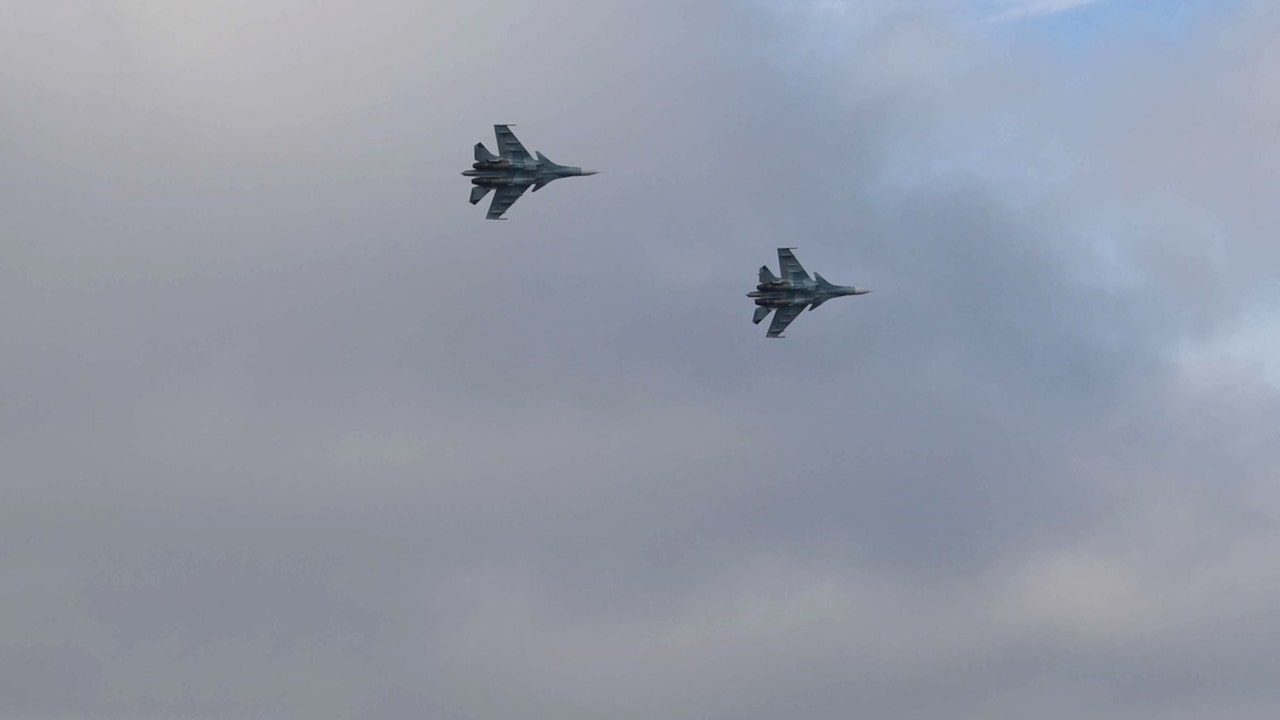
Dated Nov. 17, this Event describes Japan scrambling jets after suspected Russian aircraft entered its airspace.
Dated Nov. 17, this Event describes Japan scrambling jets after suspected Russian aircraft entered its airspace.
Footnotes[9]
Dated Nov. 17, this Event describes South Korea’s Joint Chiefs of Staff scrambling fighters after Russian aircraft entered KADIZ.
Dated Nov. 17, this Event describes South Korea’s Joint Chiefs of Staff scrambling fighters after Russian aircraft entered KADIZ.
Footnotes[12]
Dated Nov. 17, this Event describes Russian military aircraft entering Taiwan’s air-defense zone.
Dated Nov. 17, this Event describes Russian military aircraft entering Taiwan’s air-defense zone.
Footnotes[11]Dated Nov. 17, this Event describes the Russian military sending two Tu-95MS bombers to Vietnam.
Dated Nov. 17, this Event describes the Russian military sending two Tu-95MS bombers to Vietnam.
Footnotes[15]
Dated Nov. 18, this Event describes Russian aircraft entering Taiwan’s air-defense zone off its east coast.
Dated Nov. 18, this Event describes Russian aircraft entering Taiwan’s air-defense zone off its east coast.
Footnotes[13]Evidenced relationships involving significant participants beyond the central cast.
The Event lists this Story among its supporting Stories.
The Event lists this Story as supporting it, although the Story lists no linked Events.
The same-day Story link does not establish that the Vietnam flight caused the scrambles.
The duplicate link shares the Japan scramble Event.
The Event lists this Story among its supporting Stories.
This edition freezes the complete served membership and analysis available through its UTC cutoff. Later repairs or identity changes do not rewrite what this edition showed.
Stories are reporting clusters. Events are coded occurrences within that reporting. The cast contains 27 canonical people and organizations linked to the retained evidence.
Story-to-Event edges identify supporting reporting. Entity-to-Event edges identify recorded actor or target participation. Mentions and analytical roles stay visibly distinct from recorded participation.
Core, precursor, and continuation labels organize the reading. They do not by themselves establish causation. Collapsed graph groups and paginated evidence change presentation only; counts use the complete retained edition.