
Significance
10 measured / 10 eligible · 0 missing · 0 not applicable
score (0 to 1) · Event-level distribution, not a Situation risk score.
across all 10 events
SituationColombia +1
On 24 November, an unidentified armed group targeted the Meta governor’s office in Villavicencio with explosives, injuring 21 people; the event reports no fatalities. “Explosion in Villavicencio overshadows anniversary of Colombia peace accord” reported the attack on 25 November. Also dated 24 November, the Government of Colombia announced a plan to reinforce urban security in Villavicencio; “De la Espriella proposes tighter security in Colombia after Villavicencio attacks” describes tighter security as proposed. On 24 November, De la Espriella made a public statement ordering stronger protection for Colombia’s power and gas networks, covered by “Colombian president orders power infrastructure defense plan after attack.” A separate event dated 25 November describes FARC dissidents as reportedly bombing power towers in Remolino, Nariño; “Power outages reported in Colombia’s Nariño and Putumayo as causes investigated” reports outages and an investigation into their causes. Also on 25 November, the United States condemned the Villavicencio attack and expressed solidarity with Colombia; “Bucaramanga tightens security and closes roads after Villavicencio car bomb” and “Bogotá condemns terrorist escalation across Colombia and warns of economic fallout” describe further reported security measures and a condemnation with an economic warning.
Footnotes[8][1][10][4][11][3][9][2][7][5][6]The Villavicencio attack and the reported Nariño power-tower bombing are distinct events, dated 24 and 25 November respectively, and the supplied links do not establish that they had the same perpetrators or formed one operation. The Villavicencio event names an unidentified armed group; the Nariño event says FARC dissidents reportedly carried out the bombing. The urban-security plan is described as proposed, and the power-and-gas protection event is a public statement; neither establishes implementation. Although the infrastructure-defense Story links to both the 24 November statement and the 25 November bombing, that link does not show that the earlier statement responded to the later-dated bombing. Compared with the prior edition, no Stories or Events were added, removed, or revised.
Footnotes[8][9][10][4][11][3][2][17][18]Explanation originally captured 2026-11-26 · Evidence through 2026-11-27 UTC · Source edition sed_667ac8b6c0169ee873d78b8e4c5be5e9
A 3-day Situation represented by 10 coded Events carried across 15 member Stories.
The coded activity is led by 01 · Make Public Statement (2) and REMOTE EXPLOSIVE/LANDMINE/IED (2).
Government of Colombia and Abelardo de la Espriella are prominent in the retained actor and relationship evidence.
54 canonical Entities are linked to this edition.
Metric coverage. 10 coded Events · 6 CAMEO+ · 4 conflict. The four dimensions describe the CAMEO+ subset; conflict Events do not carry these scores.
Dot = mean · shaded span = observed range · position uses each metric’s defined scale.
How the coder scored the full retained Event set
10 coded events — 6 CAMEO+ (6 political) · 4 conflict
Quad class over those 10 events · Material Conflict 5 · Verbal Cooperation 4 · Verbal Conflict 1. The four CAMEO+ scores are over the 6 CAMEO+ events only; the 4 conflict events have no such column.
10 measured / 10 eligible · 0 missing · 0 not applicable
score (0 to 1) · Event-level distribution, not a Situation risk score.
across all 10 events
6 measured / 6 eligible · 0 missing · 4 not applicable
score (0 to 10) · Event-level distribution, not a Situation risk score.
across the 6 of 10 events coded in the CAMEO+ family; the conflict family has no such column
6 measured / 6 eligible · 0 missing · 4 not applicable
score (0 to 1) · Event-level distribution, not a Situation risk score.
across the 6 of 10 events coded in the CAMEO+ family; the conflict family has no such column
6 measured / 6 eligible · 0 missing · 4 not applicable
score (0 to 1) · Event-level distribution, not a Situation risk score.
across the 6 of 10 events coded in the CAMEO+ family; the conflict family has no such column
6 measured / 6 eligible · 0 missing · 4 not applicable
score (0 to 1) · Event-level distribution, not a Situation risk score.
across the 6 of 10 events coded in the CAMEO+ family; the conflict family has no such column
10 measured / 10 eligible · 0 missing · 0 not applicable
score (-10 to 10) · Event-level distribution, not a Situation risk score.
across the 10 of 10 events Goldstein is defined on — CAMEO+ POLITICAL and the conflict family; the other nine CAMEO+ domains have no Goldstein semantics
4 measured / 4 eligible · 0 missing · 6 not applicable
reported people · Reports may overlap; these are Event-level reports, not an additive unique human toll.
across the 4 of 10 events that report a toll — the conflict family only, and never 0 on a CAMEO+ event
10 measured / 10 eligible · 0 missing · 0 not applicable
score (0 to 1) · Event-level distribution, not a Situation risk score.
across all 10 events
This retained edition, independent of graph and page limits. Different dimensions, not a blended risk score; reported tolls may overlap.
2026-11-26from the recordslatest
Armed attack kills two police officers in southwestern Colombia
9 Stories and 1 coded Event (+3 / -5 against the day before). Widest coverage: Armed attack kills two police officers in southwestern Colombia (13 articles).
What kind of event · 8 coded types
over 10 coded events on this edition
Countries · where it happened
Countries · who is acting
Selected from the complete retained edition
The Villavicencio attack is linked to reporting on a proposed urban-security plan and to a same-day related Story about Bucaramanga security measures following the car bomb.
The Nariño bombing is linked to the outage Story and shares the infrastructure-defense Story with a separately dated power-and-gas protection statement.
The Story describes Bogotá condemning terrorist escalation and warning of economic fallout.
The Story describes Bogotá condemning terrorist escalation and warning of economic fallout.
Footnotes[6]The Government of Colombia is the recorded source actor for the announcement of a plan to reinforce urban security in Villavicencio.
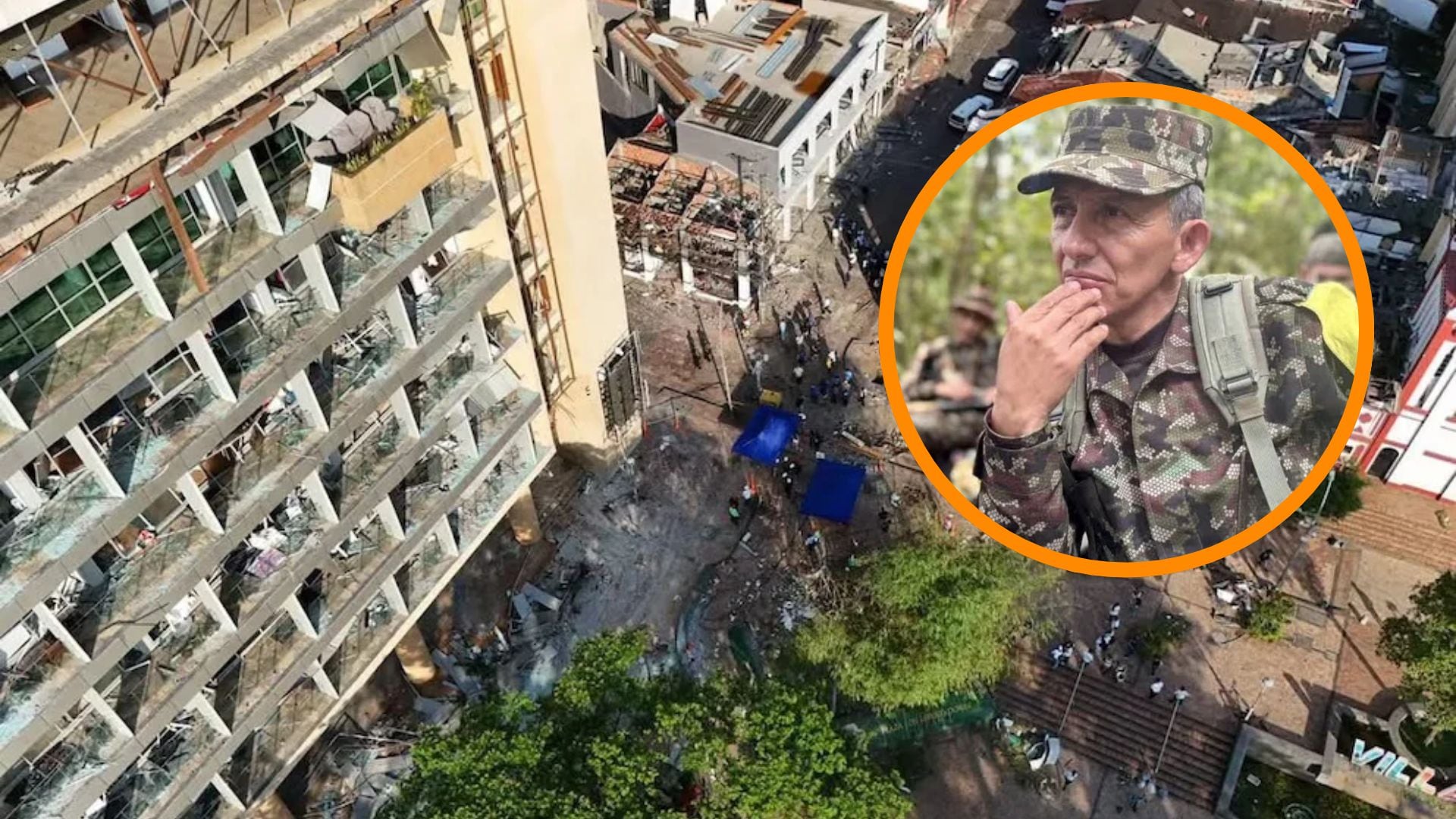
The event places the explosive attack at the governor’s office in Villavicencio on 24 November and lists 21 injured and no reported fatalities.
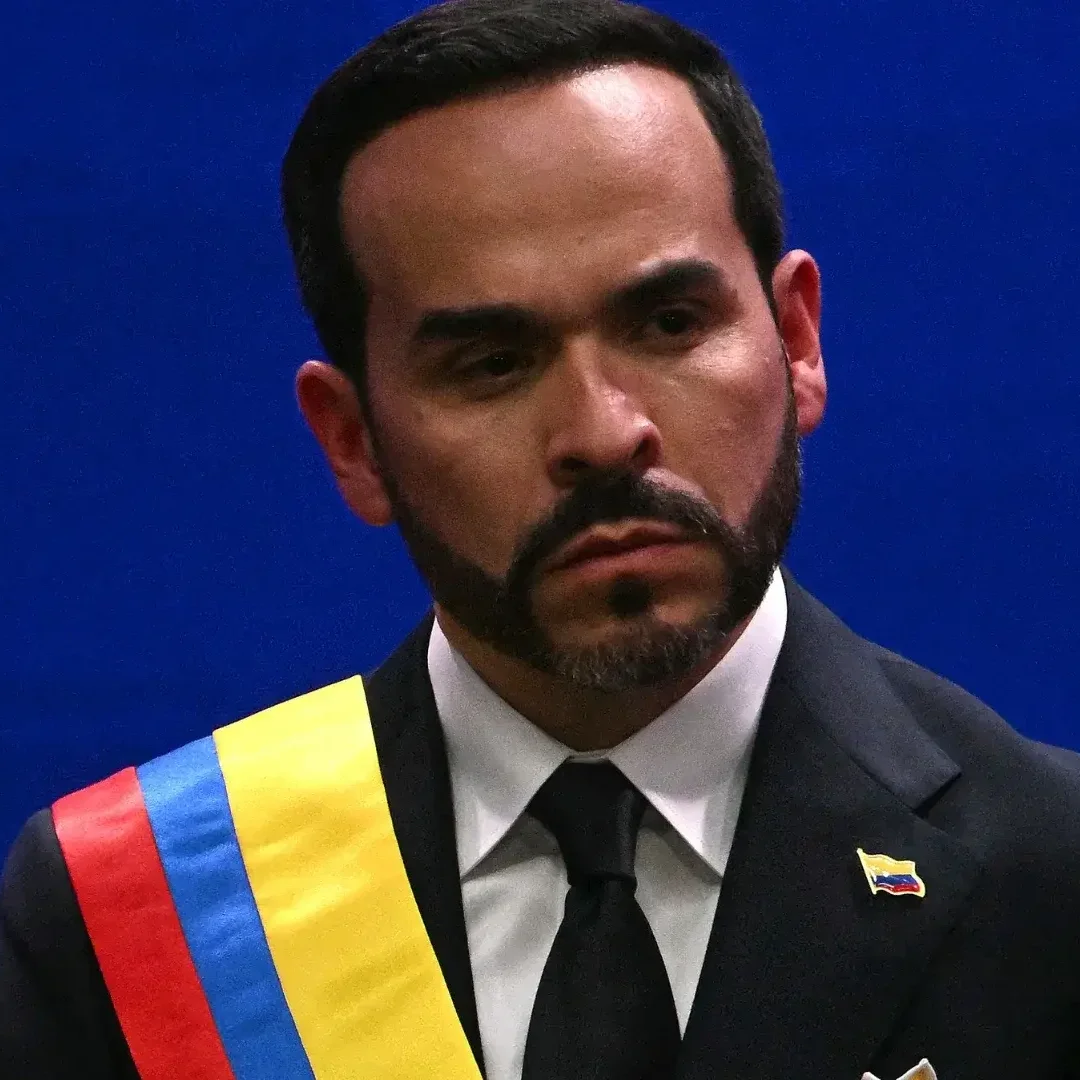
The Government of Colombia announced a plan to reinforce urban security in Villavicencio; linked reporting describes tighter security as proposed.
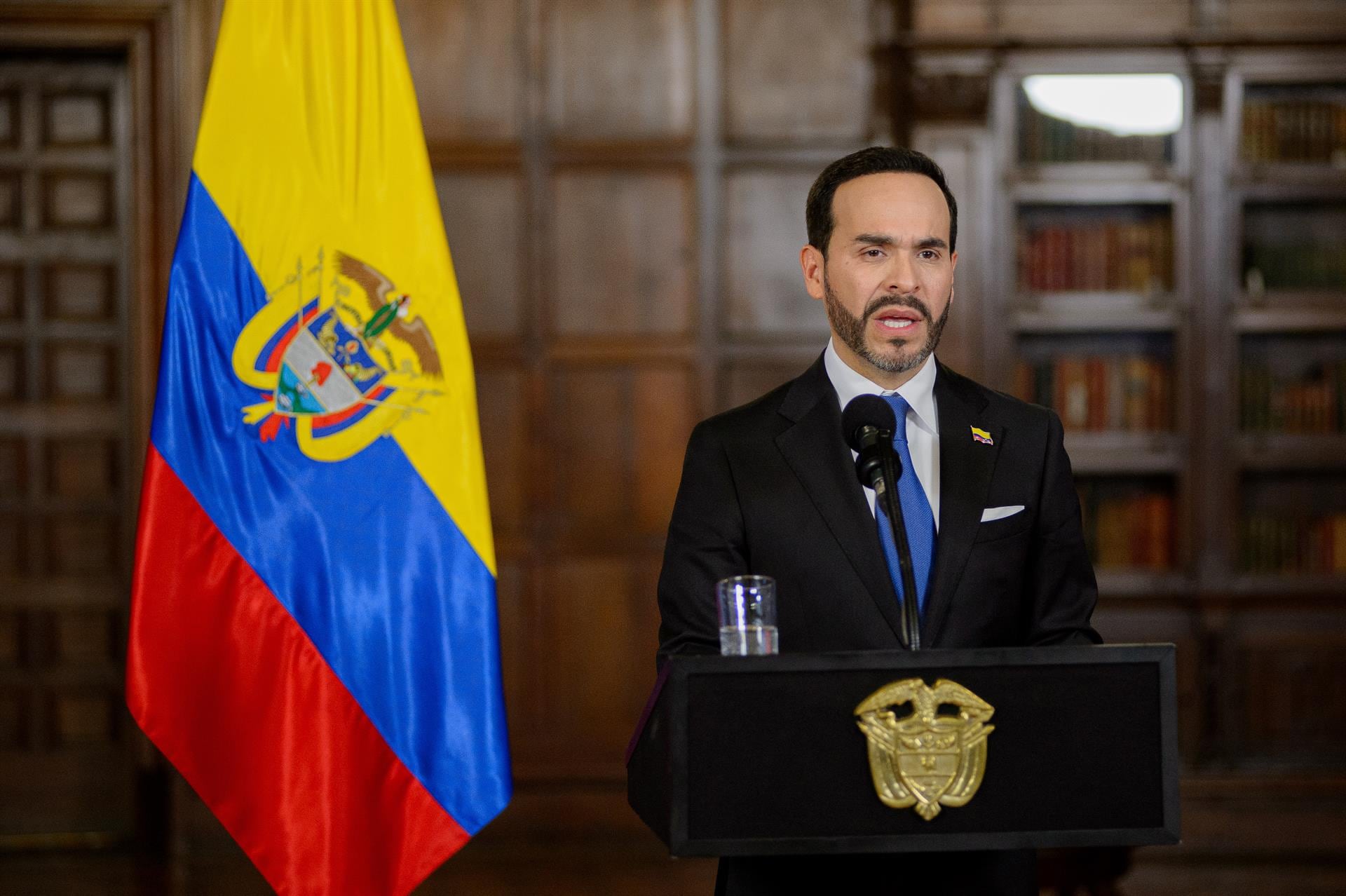
On 24 November, De la Espriella made a public statement ordering stronger protection for Colombia’s power and gas networks.

On 25 November, the United States condemned the Villavicencio attack and expressed solidarity with Colombia.
Evidenced relationships involving significant participants beyond the central cast.
The attack Event links to this Story.
The Event names the Government of Colombia as source actor and binds it to this Entity.
The Event links to the Story describing tighter security as proposed.
The Event links to the infrastructure-defense Story.
The Event links to the outage Story.
This edition freezes the complete served membership and analysis available through its UTC cutoff. Later repairs or identity changes do not rewrite what this edition showed.
Stories are reporting clusters. Events are coded occurrences within that reporting. The cast contains 54 canonical people and organizations linked to the retained evidence.
Story-to-Event edges identify supporting reporting. Entity-to-Event edges identify recorded actor or target participation. Mentions and analytical roles stay visibly distinct from recorded participation.
Core, precursor, and continuation labels organize the reading. They do not by themselves establish causation. Collapsed graph groups and paginated evidence change presentation only; counts use the complete retained edition.