
Significance
16 measured / 16 eligible · 0 missing · 0 not applicable
score (0 to 1) · Event-level distribution, not a Situation risk score.
across all 16 events
On October 13, National University of Entre Ríos actors called for a university-funding protest as students, unions and social movements prepared demonstrations (“Argentine students, unions and social movements prepare protests as Milei visits US”). On October 14, the National University of the Littoral and the University of Buenos Aires urged turnout, while students organized a vigil ahead of the march (“Students organize vigil ahead of Argentina’s Federal University March”). On October 15, the UCR of Santiago del Estero backed the march and the Universidad Nacional de Cuyo community marched over funding (“Santiago del Estero UCR backs march defending Argentina’s public universities”; “University community stages Federal University March in Mendoza, Argentina”); a separate headline reported clashes with police at the national march (“Protesters clash with police at Argentina’s Federal University March”). On October 16, Argentina’s government ruled out negotiations with university rectors, and Emiliano Yacobitti demanded that Javier Milei comply with the university funding law (“Argentina university funding march ends in clashes with police and arrests”; “University of Buenos Aires demands Milei comply with funding law”). That day, Argentina’s Economy Ministry reported a September fiscal surplus, while the government said it had met the funding law (“Argentina announces September fiscal surplus, says it met university funding law”).
Footnotes[10][15][9][13][14][16][7][17][6][5][2][11]The march joined university-funding demands, turnout appeals and local demonstrations, while the national clash headlines describe a different scope from the coded Mendoza protest, which is classified as peaceful with zero reported fatalities (“Protesters clash with police at Argentina’s Federal University March”; “Argentina university funding march ends in clashes with police and arrests”; “University community stages Federal University March in Mendoza, Argentina”). These accounts do not establish that all march locations were violent or peaceful. Yacobitti’s demand to Milei and the government’s assertion that it met the funding law are competing positions; the assertion and surplus announcement do not establish legal compliance (“University of Buenos Aires demands Milei comply with funding law”; “Argentina announces September fiscal surplus, says it met university funding law”). The audit-rules story places a policy announcement amid the protest but does not establish that the rules caused the demonstrations (“Argentina sets new university audit rules amid nationwide funding protest”). On October 19, Monteoliva signaled new arrests over the march clashes; that headline describes a signal, not completed arrests (“Argentina’s Monteoliva signals new arrests over university march clashes”).
Footnotes[5][2][17][6][12][3][4][8][1]Explanation originally captured 2026-10-20 · Evidence through 2026-10-20 UTC · Source edition sed_2bf5b5427afa8444059ee7c079874710
A 7-day Situation represented by 16 coded Events carried across 24 member Stories.
The coded activity is led by PEACEFUL PROTEST (9) and 02 · Appeal (3).
University of Buenos Aires and Javier Milei are prominent in the retained actor and relationship evidence.
71 canonical Entities are linked to this edition.
Metric coverage. 16 coded Events · 7 CAMEO+ · 9 conflict. The four dimensions describe the CAMEO+ subset; conflict Events do not carry these scores.
Dot = mean · shaded span = observed range · position uses each metric’s defined scale.
How the coder scored the full retained Event set
16 coded events — 7 CAMEO+ (7 political) · 9 conflict
Quad class over those 16 events · Verbal Conflict 11 · Verbal Cooperation 5. The four CAMEO+ scores are over the 7 CAMEO+ events only; the 9 conflict events have no such column.
16 measured / 16 eligible · 0 missing · 0 not applicable
score (0 to 1) · Event-level distribution, not a Situation risk score.
across all 16 events
7 measured / 7 eligible · 0 missing · 9 not applicable
score (0 to 10) · Event-level distribution, not a Situation risk score.
across the 7 of 16 events coded in the CAMEO+ family; the conflict family has no such column
7 measured / 7 eligible · 0 missing · 9 not applicable
score (0 to 1) · Event-level distribution, not a Situation risk score.
across the 7 of 16 events coded in the CAMEO+ family; the conflict family has no such column
7 measured / 7 eligible · 0 missing · 9 not applicable
score (0 to 1) · Event-level distribution, not a Situation risk score.
across the 7 of 16 events coded in the CAMEO+ family; the conflict family has no such column
7 measured / 7 eligible · 0 missing · 9 not applicable
score (0 to 1) · Event-level distribution, not a Situation risk score.
across the 7 of 16 events coded in the CAMEO+ family; the conflict family has no such column
16 measured / 16 eligible · 0 missing · 0 not applicable
score (-10 to 10) · Event-level distribution, not a Situation risk score.
across the 16 of 16 events Goldstein is defined on — CAMEO+ POLITICAL and the conflict family; the other nine CAMEO+ domains have no Goldstein semantics
9 measured / 9 eligible · 0 missing · 7 not applicable
reported people · Reports may overlap; these are Event-level reports, not an additive unique human toll.
across the 9 of 16 events that report a toll — the conflict family only, and never 0 on a CAMEO+ event
16 measured / 16 eligible · 0 missing · 0 not applicable
score (0 to 1) · Event-level distribution, not a Situation risk score.
across all 16 events
This retained edition, independent of graph and page limits. Different dimensions, not a blended risk score; reported tolls may overlap.
2026-10-19analystlatest
Monteoliva signals further arrests
The October 19 story reports that Monteoliva signaled new arrests over the university-march clashes; it describes a signal, not completed arrests.
What kind of event · 6 coded types
over 16 coded events on this edition
Countries · where it happened
Countries · who is acting
Selected from the complete retained edition
Connects Yacobitti’s demand to Milei, the government’s reported refusal to negotiate with rectors, and its assertion that it met the funding law.
The story reports new government audit rules amid the nationwide university-funding protest; it does not establish that the rules caused the protest.
The story reports new government audit rules amid the nationwide university-funding protest; it does not establish that the rules caused the protest.
Footnotes[8]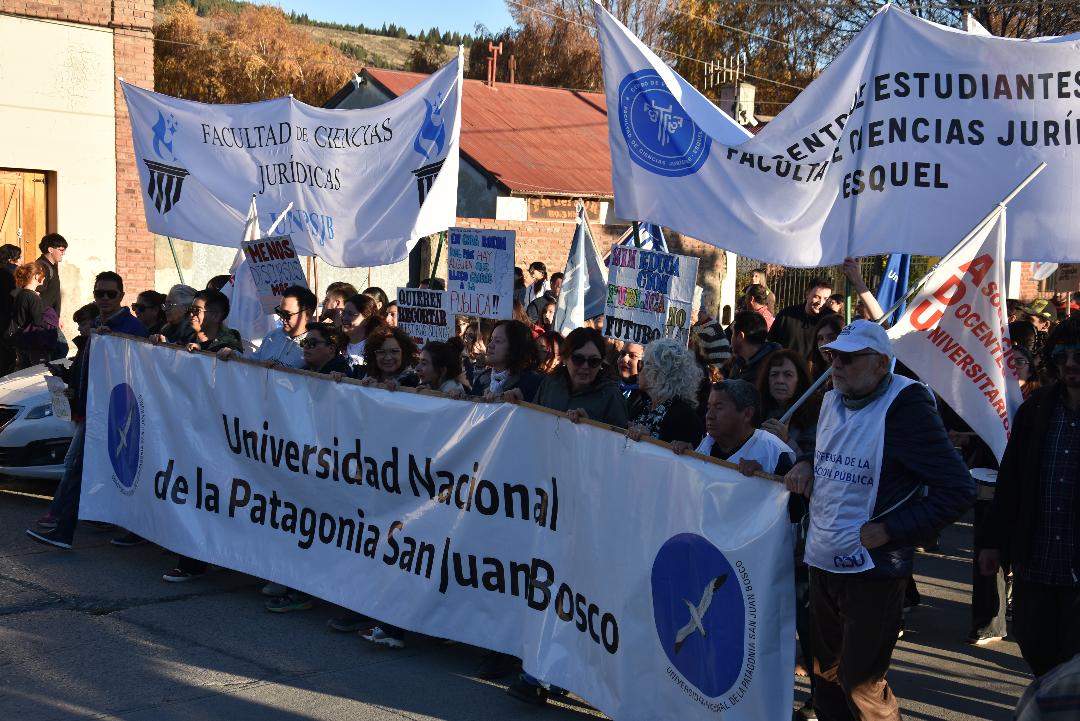
On October 13, National University of Entre Ríos actors called for a university-funding protest in Paraná.
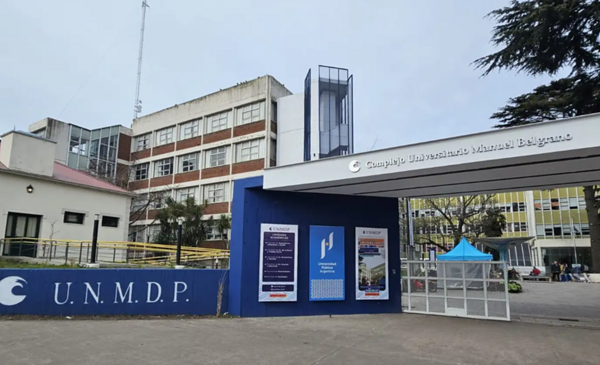
On October 14, the University of Buenos Aires urged the academic community and public to turn out for the march.
On October 14, the National University of the Littoral and Santa Fe partners urged the community to join the march.
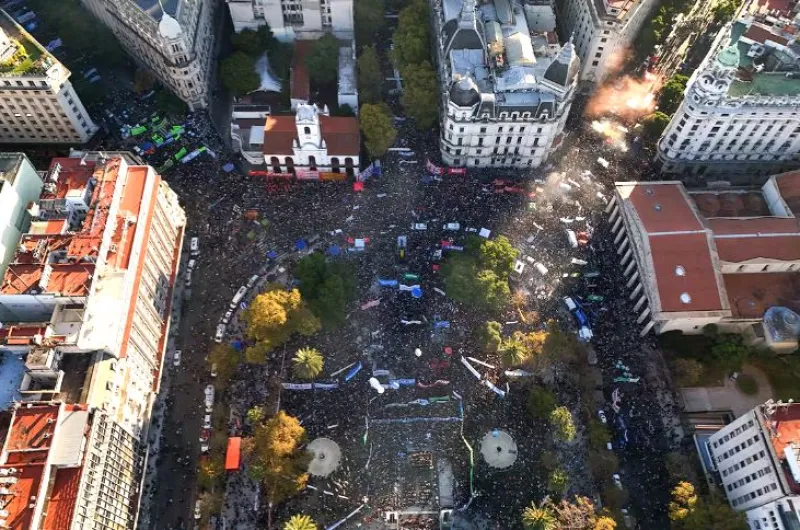

On October 15, the Universidad Nacional de Cuyo community marched over funding in Mendoza; the event is classified as a peaceful protest with zero reported fatalities.
Evidenced relationships involving significant participants beyond the central cast.
The event identifies the University of Buenos Aires as the actor in the October 14 appeal.
The event identifies Javier Milei as the target of Emiliano Yacobitti’s demand.
The supplied story link connects preparation coverage with the vigil story; the link does not by itself establish causation.
The supplied same-incident link connects the October 15 clash headline with the October 16 clashes-and-arrests story.
This edition freezes the complete served membership and analysis available through its UTC cutoff. Later repairs or identity changes do not rewrite what this edition showed.
Stories are reporting clusters. Events are coded occurrences within that reporting. The cast contains 71 canonical people and organizations linked to the retained evidence.
Story-to-Event edges identify supporting reporting. Entity-to-Event edges identify recorded actor or target participation. Mentions and analytical roles stay visibly distinct from recorded participation.
Core, precursor, and continuation labels organize the reading. They do not by themselves establish causation. Collapsed graph groups and paginated evidence change presentation only; counts use the complete retained edition.