
Significance
91 measured / 91 eligible · 0 missing · 0 not applicable
score (0 to 1) · Event-level distribution, not a Situation risk score.
across all 91 events
On 4 October, Iran set conditions for reopening the Strait of Hormuz to the United States; “Iran says Strait of Hormuz will stay closed until its conditions are met” reported that position on 5 October. The G7 countries agreed on a 100-million-barrel reserve release dated 2 October, while a separate Event describes G7 leaders launching a coordinated release on 4 October; “G7 agrees to release 100 million barrels from emergency oil reserves” and “G7 leaders agree to release 100 million barrels from fuel reserves” report the two steps. Saudi Arabia had resumed oil exports through the East-West pipeline by 28–29 September; on 6 October it restarted crude loadings at Yanbu, as reported in “Saudi Arabia pumps 5.8 million barrels of oil daily through East-West pipeline.” Iran and Oman agreed on safe shipping routes on 8 October, according to “Iran and Oman agree on safe shipping routes through Strait of Hormuz.” On 16 October the International Maritime Organization chief urged ships to avoid Hormuz; “IMO urges ships to avoid Strait of Hormuz as attacks on commercial vessels escalate” reported the appeal. Abbas Araghchi warned,
Footnotes[16][24][25][39][21][17][39][29][28][15][14][33]The safe-route agreement establishes an agreement, not a return to normal passage: “Ship traffic through Strait of Hormuz falls to a two-month low” reported reduced traffic on 8 October, and “Iran says Strait of Hormuz will stay closed until its rights are respected” reported Amir Hatami’s position on 16 October. Iran’s proposal and conditions remained conditional: “Iran presents seven-day plan to reopen the Strait of Hormuz” and “Araghchi says Strait of Hormuz will stay closed until US honors MoU” report stated positions, not an established reopening. Saudi pipeline and Yanbu activity, U.S. and G7 reserve actions, and the IEA’s reported cumulative release are distinct developments; they do not establish that one caused another or resolved shipping disruption. A conflict Event attributes the mines that set two tankers ablaze to the IRGC Navy; the evidence does not establish that those tanker incidents and the separately reported ship sinking shared a cause. On 21 October, Iranian accounts differed: “Iran rejects talks with Washington until its demands are met”
Footnotes[6][11][5][19][4][12][1][2][3][9][28][25]Explanation originally captured 2026-10-22 · Evidence through 2026-10-22 UTC · Source edition sed_f586e16ab5f9828ab7830f92388b09a2
A 26-day Situation represented by 91 coded Events carried across 224 member Stories.
The coded activity is led by 01 · Make Public Statement (11) and 046 · Engage in Negotiation (8).
Donald Trump, European Union, and International Energy Agency are prominent in the retained actor and relationship evidence.
394 canonical Entities are linked to this edition.
Metric coverage. 91 coded Events · 87 CAMEO+ · 4 conflict. The four dimensions describe the CAMEO+ subset; conflict Events do not carry these scores.
Dot = mean · shaded span = observed range · position uses each metric’s defined scale.
How the coder scored the full retained Event set
91 coded events — 87 CAMEO+ (74 political) · 4 conflict
Quad class over those 78 events · Verbal Cooperation 46 · Verbal Conflict 24 · Material Conflict 8. 13 sit outside POLITICAL, where Goldstein and quad class are undefined. The four CAMEO+ scores are over the 87 CAMEO+ events only; the 4 conflict events have no such column.
91 measured / 91 eligible · 0 missing · 0 not applicable
score (0 to 1) · Event-level distribution, not a Situation risk score.
across all 91 events
87 measured / 87 eligible · 0 missing · 4 not applicable
score (0 to 10) · Event-level distribution, not a Situation risk score.
across the 87 of 91 events coded in the CAMEO+ family; the conflict family has no such column
87 measured / 87 eligible · 0 missing · 4 not applicable
score (0 to 1) · Event-level distribution, not a Situation risk score.
across the 87 of 91 events coded in the CAMEO+ family; the conflict family has no such column
87 measured / 87 eligible · 0 missing · 4 not applicable
score (0 to 1) · Event-level distribution, not a Situation risk score.
across the 87 of 91 events coded in the CAMEO+ family; the conflict family has no such column
87 measured / 87 eligible · 0 missing · 4 not applicable
score (0 to 1) · Event-level distribution, not a Situation risk score.
across the 87 of 91 events coded in the CAMEO+ family; the conflict family has no such column
78 measured / 78 eligible · 0 missing · 13 not applicable
score (-10 to 10) · Event-level distribution, not a Situation risk score.
across the 78 of 91 events Goldstein is defined on — CAMEO+ POLITICAL and the conflict family; the other nine CAMEO+ domains have no Goldstein semantics
4 measured / 4 eligible · 0 missing · 87 not applicable
reported people · Reports may overlap; these are Event-level reports, not an additive unique human toll.
across the 4 of 91 events that report a toll — the conflict family only, and never 0 on a CAMEO+ event
91 measured / 91 eligible · 0 missing · 0 not applicable
score (0 to 1) · Event-level distribution, not a Situation risk score.
across all 91 events
This retained edition, independent of graph and page limits. Different dimensions, not a blended risk score; reported tolls may overlap.
2026-10-22from the recordslatest
United States relocates troops from Middle East bases
21 Stories and 7 coded Events (-3 / 0 against the day before). Widest coverage: Iran's Revolutionary Guard reports fires aboard four ships in the Strait of Hormuz (85 articles). Recorded acting: Donald Trump, United States Central Command, Israeli Air Force.
What kind of event · 46 coded types
over 91 coded events on this edition
Countries · where it happened
Countries · who is acting
Selected from the complete retained edition
Iran’s reopening conditions, the Iran–Oman safe-route agreement, maritime incidents and the IMO appeal form the access and shipping-security strand.
U.S. and G7 reserve actions, the IEA’s reported release figure, and Saudi pipeline and port activity describe distinct supply measures.
Iranian and Israeli warnings, diplomatic accounts and reported negotiating positions extend the situation beyond shipping and energy measures.
The European Union urged the United States to keep oil flowing to Europe and was the target of Scott Bessent’s criticism over oil-supply commitments.


Dated 3 October, the International Energy Agency reported member-country strategic reserve releases totaling 325 million barrels.
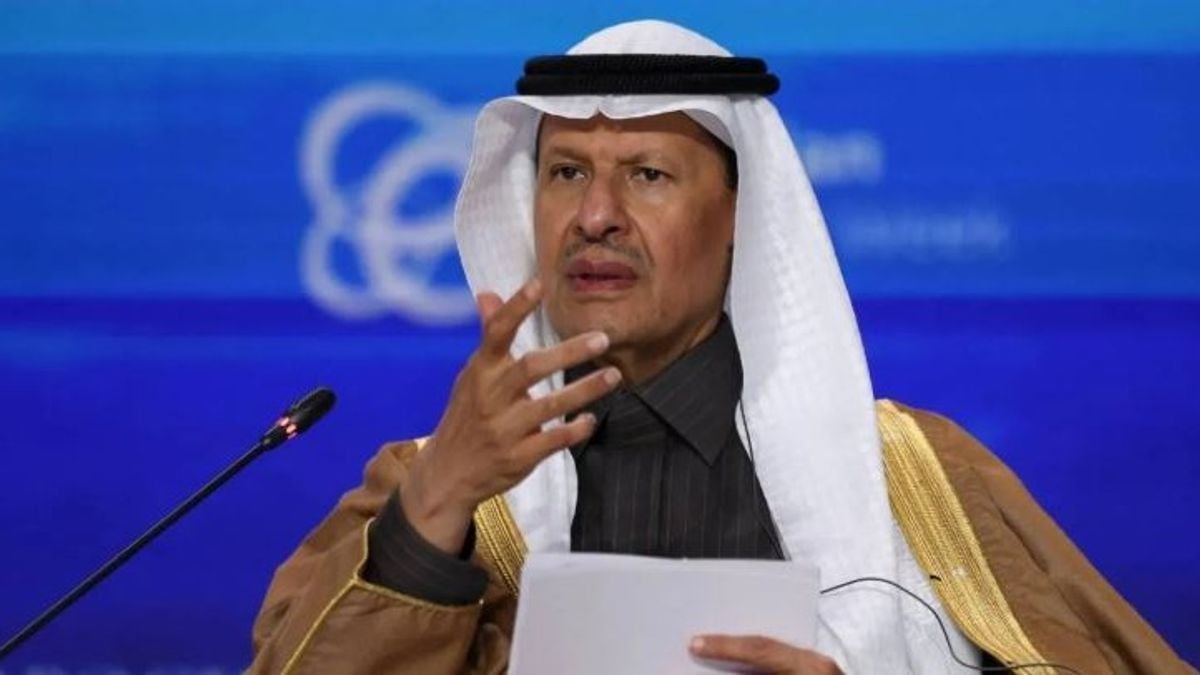
Dated 15 October, the Event describes Amir Hatami saying Hormuz would remain closed until Iran’s rights were respected.

Evidenced relationships involving significant participants beyond the central cast.
The Event names the European Union as actor.
The Event names the International Maritime Organization as actor.
This edition freezes the complete served membership and analysis available through its UTC cutoff. Later repairs or identity changes do not rewrite what this edition showed.
Stories are reporting clusters. Events are coded occurrences within that reporting. The cast contains 394 canonical people and organizations linked to the retained evidence.
Story-to-Event edges identify supporting reporting. Entity-to-Event edges identify recorded actor or target participation. Mentions and analytical roles stay visibly distinct from recorded participation.
Core, precursor, and continuation labels organize the reading. They do not by themselves establish causation. Collapsed graph groups and paginated evidence change presentation only; counts use the complete retained edition.