
Significance
1012 measured / 1012 eligible · 0 missing · 0 not applicable
score (0 to 1) · Event-level distribution, not a Situation risk score.
across all 1012 events
On August 4, Qatar’s Amir met Donald Trump to review de-escalation efforts; a U.S. official was reported as saying the United States and Iran were near an interim deal. On August 7, “Renewed blockade in the Strait of Hormuz disrupts dry-bulk crossings” and “No oil tankers loaded at Iran’s Kharg Island for a week amid US blockade” described shipping and export disruption. On August 8, U.S. Central Command was reported to have redirected 53 commercial vessels, while Iran said the Strait would remain closed until the United States met six demands. On August 19, Donald Trump halted negotiations with Iran over nuclear demands as Qatar’s foreign ministry urged the countries to reopen Hormuz. On August 30, accounts described U.S. strikes on Larak Island and Iranian retaliation against U.S. bases; some explicitly presented the Iranian attacks as following the Larak strike. Separate reports said Iran launched missiles at U.S. vessels, but the accounts here do not establish that those launches followed the strike. On September 7, Iran and Oman were described as preparing or agreeing on a shipping corridor, while a U.S. official said the Strait was under Navy control; “Kpler reports sharp drop in Strait of Hormuz shipping” described reduced traffic on September 8. By October 3, “Pete Hegseth warns Iran as Trump keeps military options open” and “International Energy Agency reports 325 million barrels released from reserves” showed military warnings and energy-market measures alongside the unresolved maritime confrontation.
Footnotes[1][2][3][4][7][9][12][13][15]The dated accounts show a confrontation over Hormuz passage combining U.S. vessel redirections and sanctions, Iran’s stated closure conditions, reported military action, and intermittent diplomacy. They do not establish an agreed settlement or confirm that the Iran–Oman corridor became operational; the September 7 Navy-control statement also does not resolve Kpler’s September 8 report of sharply reduced traffic. Some accounts describe Iranian attacks on U.S. bases as retaliation following the U.S. strike on Larak Island on August 30. Separate reports of Iranian missile launches at U.S. vessels do not, on their own, establish their sequence or causal connection to that strike. Yemen-related Houthi and Saudi/Yemeni fighting appears in the same period, but these accounts do not establish that Iran directed it or that it formed part of the Hormuz confrontation.
Footnotes[4][7][8][9][11][12][13][14]Explanation originally captured 2026-11-08 · Evidence through 2026-11-08 UTC · Source edition sed_79cd8d84ea517a88a8b7a021f47f7eb3
A 98-day Situation represented by 1,012 coded Events carried across 2,284 member Stories.
The coded activity is led by 01 · Make Public Statement (157) and 111 · Criticize or Denounce (105).
Donald Trump, Houthis, and United States are prominent in the retained actor and relationship evidence.
2,289 canonical Entities are linked to this edition.
Metric coverage. 1,012 coded Events · 861 CAMEO+ · 151 conflict. The four dimensions describe the CAMEO+ subset; conflict Events do not carry these scores.
Dot = mean · shaded span = observed range · position uses each metric’s defined scale.
How the coder scored the full retained Event set
1012 coded events — 861 CAMEO+ (794 political) · 151 conflict
Quad class over those 945 events · Verbal Cooperation 465 · Verbal Conflict 285 · Material Conflict 183 · Material Cooperation 12. 67 sit outside POLITICAL, where Goldstein and quad class are undefined. The four CAMEO+ scores are over the 861 CAMEO+ events only; the 151 conflict events have no such column.
1012 measured / 1012 eligible · 0 missing · 0 not applicable
score (0 to 1) · Event-level distribution, not a Situation risk score.
across all 1012 events
861 measured / 861 eligible · 0 missing · 151 not applicable
score (0 to 10) · Event-level distribution, not a Situation risk score.
across the 861 of 1012 events coded in the CAMEO+ family; the conflict family has no such column
861 measured / 861 eligible · 0 missing · 151 not applicable
score (0 to 1) · Event-level distribution, not a Situation risk score.
across the 861 of 1012 events coded in the CAMEO+ family; the conflict family has no such column
861 measured / 861 eligible · 0 missing · 151 not applicable
score (0 to 1) · Event-level distribution, not a Situation risk score.
across the 861 of 1012 events coded in the CAMEO+ family; the conflict family has no such column
861 measured / 861 eligible · 0 missing · 151 not applicable
score (0 to 1) · Event-level distribution, not a Situation risk score.
across the 861 of 1012 events coded in the CAMEO+ family; the conflict family has no such column
945 measured / 945 eligible · 0 missing · 67 not applicable
score (-10 to 10) · Event-level distribution, not a Situation risk score.
across the 945 of 1012 events Goldstein is defined on — CAMEO+ POLITICAL and the conflict family; the other nine CAMEO+ domains have no Goldstein semantics
151 measured / 151 eligible · 0 missing · 861 not applicable
reported people · Reports may overlap; these are Event-level reports, not an additive unique human toll.
across the 151 of 1012 events that report a toll — the conflict family only, and never 0 on a CAMEO+ event
1012 measured / 1012 eligible · 0 missing · 0 not applicable
score (0 to 1) · Event-level distribution, not a Situation risk score.
across all 1012 events
This retained edition, independent of graph and page limits. Different dimensions, not a blended risk score; reported tolls may overlap.
2026-11-08from the recordslatest
IRGC Navy threatens ships using unauthorized Strait of Hormuz routes
18 Stories and 2 coded Events (-4 / -2 against the day before). Widest coverage: US launches Task Force Iron Gate to extend Iran blockade to land routes (53 articles). Recorded acting: Islamic Revolutionary Guard Corps Navy.
What kind of event · 142 coded types
over 1012 coded events on this edition
Countries · where it happened
Countries · who is acting
Selected from the complete retained edition
Donald Trump halted U.S. negotiations with Iran over nuclear demands on August 19 and was the source actor in the September 1 event describing U.S. threats of asset freezes and a dollar cutoff.
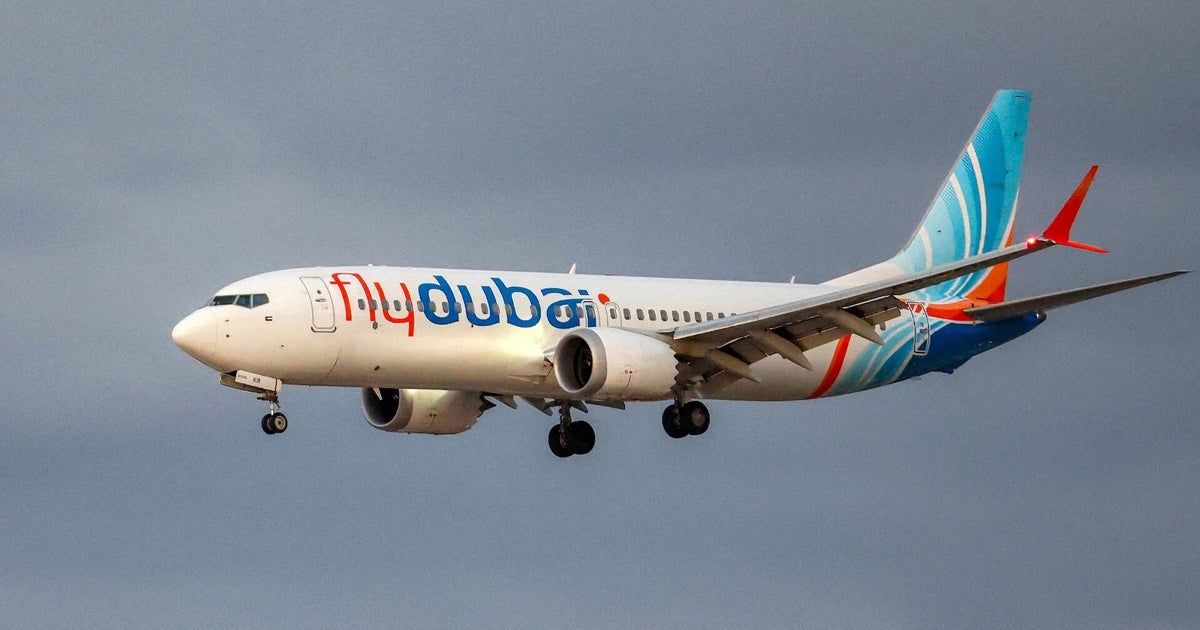
2026-09-30 · POLITICAL
2026-09-30 · POLITICAL

2026-09-01 · POLITICAL
2026-09-01 · POLITICAL

2026-08-10 · POLITICAL
2026-08-10 · POLITICAL

2026-09-08 · INFRASTRUCTURE
2026-09-08 · INFRASTRUCTURE
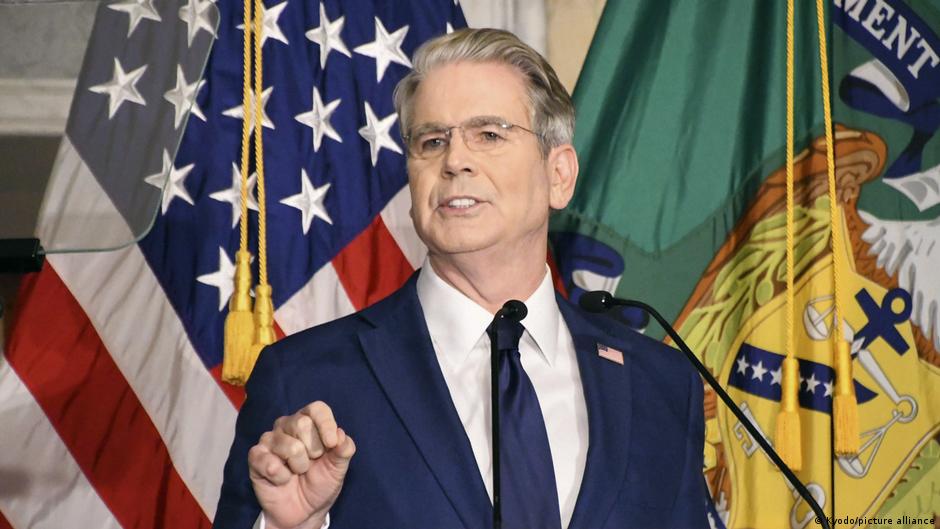
2026-09-04 · POLITICAL
2026-09-04 · POLITICAL
Non-central actors and targets retained from coded Events. A later analysis may identify an evidenced relationship as notable.
Recorded as target and actor across 193 coded Events, including Iran says Oman deal in final stages, calls on US to open Strait of Hormuz.
Recorded as target and actor across 193 coded Events, including Iran says Oman deal in final stages, calls on US to open Strait of Hormuz.
Footnotes[?][?][?][?][?]Recorded as actor and target across 176 coded Events, including United States strikes Iranian government tankers amid escalation.
Recorded as actor and target across 176 coded Events, including United States strikes Iranian government tankers amid escalation.
Footnotes[?][?][?][?][?]Recorded as target and actor across 35 coded Events, including Houthis announce attack targeting Saudi air base in Khamis Mushait.
Recorded as target and actor across 35 coded Events, including Houthis announce attack targeting Saudi air base in Khamis Mushait.
Footnotes[?][?][?][?][?]Recorded as target and actor across 30 coded Events, including Saudi Arabia shuts East-West pipeline, squeezing Asian crude imports.
Recorded as target and actor across 30 coded Events, including Saudi Arabia shuts East-West pipeline, squeezing Asian crude imports.
Footnotes[?][?][?][?][?]Recorded as actor and target across 24 coded Events, including Putin meets Pezeshkian to discuss expanding Russia-Iran cooperation.
Recorded as actor and target across 24 coded Events, including Putin meets Pezeshkian to discuss expanding Russia-Iran cooperation.
Footnotes[?][?][?][?][?]This edition freezes the complete served membership and analysis available through its UTC cutoff. Later repairs or identity changes do not rewrite what this edition showed.
Stories are reporting clusters. Events are coded occurrences within that reporting. The cast contains 2,289 canonical people and organizations linked to the retained evidence.
Story-to-Event edges identify supporting reporting. Entity-to-Event edges identify recorded actor or target participation. Mentions and analytical roles stay visibly distinct from recorded participation.
Core, precursor, and continuation labels organize the reading. They do not by themselves establish causation. Collapsed graph groups and paginated evidence change presentation only; counts use the complete retained edition.