
Significance
18 measured / 18 eligible · 0 missing · 0 not applicable
score (0 to 1) · Event-level distribution, not a Situation risk score.
across all 18 events
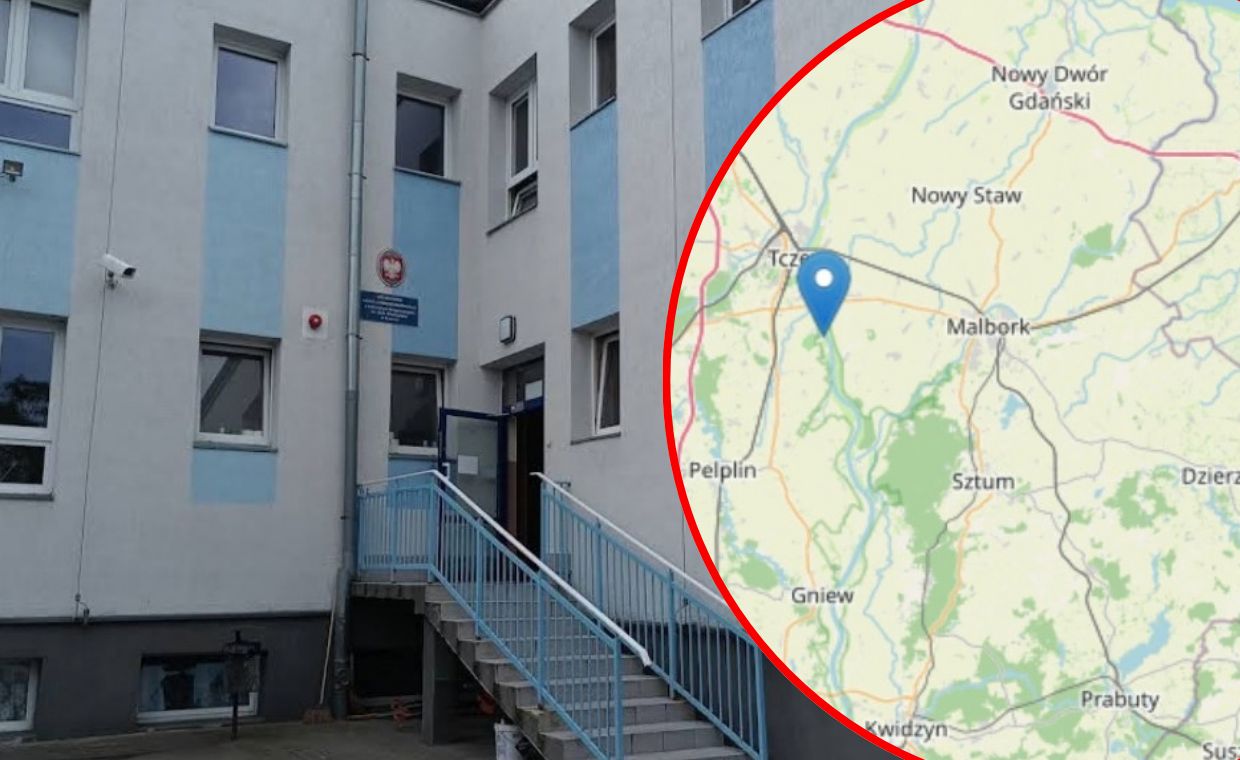
On October 7, “At least seven injured in knife attack at school in Poland” and “Student stabs and injures eight people at secondary school in Poland” reported a school stabbing with different injury totals in their headlines. On October 8, “New attack on school in Poland leaves one person dead” and “15-year-old student kills school caretaker in knife attack at Polish school” reported a fatal attack; separately, Tczew District Police responded to a man with a knife outside a primary school. On October 9, Polish Police urged calm over unverified school-threat rumors, Polish authorities detained a teenager over school-attack threats, and Donald Tusk said Poland would not compromise on school safety. The Polish National Police announced renewed school patrols on October 10; the Event dated October 11 and the Story “Poland deploys over 20,000 police officers to schools after knife attacks” report a deployment of more than 20,000 officers. Barbara Nowacka outlined school guidance and said Poland planned to expand principals’ powers, while students and teachers in Opole staged a silent protest on October 13. A related but distinct political dispute included Krzysztof Gawkowski defending Poland’s proposed DSA implementation on October 13 and, on October 15, Karol Nawrocki accusing Tusk of lying over an online-content bill; Gawkowski demanded platform age checks on October 16.
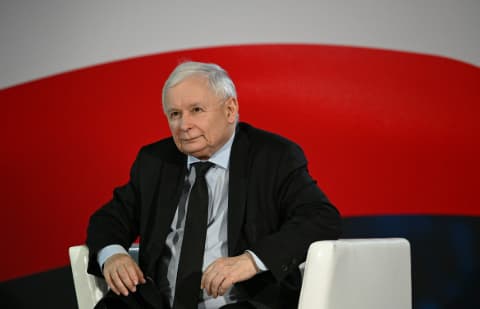
Footnotes[47][22][23][48][17][19][40][49][27][34][35][50]The central pattern is reported school violence and threats followed by police activity, school-safety statements and plans, and public protest; Tusk’s call for daily school visits and the later deployment are distinct accounts of the security response. Later inspection and detention reports give dated snapshots, including 225,000 checks and 194 detentions on October 18 and nearly 276,000 checks and 195 detentions on October 21; the headlines do not reconcile their scopes into one definitive cumulative total. Barbara Nowacka’s planned expansion of principals’ powers and the education ministry’s planned school-safety rules remain plans, not completed policy changes. Jarosław Kaczyński’s suggestion of a Russian link and the investigation into disinformation do not establish Russian responsibility or a cause of the attacks. Gawkowski’s defense of proposed DSA implementation, Nawrocki’s accusation against Tusk, and Gawkowski’s demand for age checks establish a policy dispute, not that online content caused the attacks or that the measures formed a single policy. Separately, Tusk attributed the attacks to online glorification of violence; that reported attribution does not itself establish a cause.
Footnotes[18][26][2][1][28][5][32][21][29][39][8][31]Explanation originally captured 2026-10-23 · Evidence through 2026-10-23 UTC · Source edition sed_82573c11814744d97fe898320cc0bbac
A 17-day Situation represented by 18 coded Events carried across 43 member Stories.
The coded activity is led by 01 · Make Public Statement (5) and CR10 · Police Investigation or Operation (3).
Donald Tusk, Krzysztof Gawkowski, and Karol Nawrocki are prominent in the retained actor and relationship evidence.
73 canonical Entities are linked to this edition.
Metric coverage. 18 coded Events · 17 CAMEO+ · 1 conflict. The four dimensions describe the CAMEO+ subset; conflict Events do not carry these scores.
Dot = mean · shaded span = observed range · position uses each metric’s defined scale.
How the coder scored the full retained Event set
18 coded events — 17 CAMEO+ (12 political) · 1 conflict
Quad class over those 13 events · Verbal Cooperation 8 · Verbal Conflict 5. 5 sit outside POLITICAL, where Goldstein and quad class are undefined. The four CAMEO+ scores are over the 17 CAMEO+ events only; the 1 conflict events have no such column.
18 measured / 18 eligible · 0 missing · 0 not applicable
score (0 to 1) · Event-level distribution, not a Situation risk score.
across all 18 events
17 measured / 17 eligible · 0 missing · 1 not applicable
score (0 to 10) · Event-level distribution, not a Situation risk score.
across the 17 of 18 events coded in the CAMEO+ family; the conflict family has no such column
17 measured / 17 eligible · 0 missing · 1 not applicable
score (0 to 1) · Event-level distribution, not a Situation risk score.
across the 17 of 18 events coded in the CAMEO+ family; the conflict family has no such column
17 measured / 17 eligible · 0 missing · 1 not applicable
score (0 to 1) · Event-level distribution, not a Situation risk score.
across the 17 of 18 events coded in the CAMEO+ family; the conflict family has no such column
17 measured / 17 eligible · 0 missing · 1 not applicable
score (0 to 1) · Event-level distribution, not a Situation risk score.
across the 17 of 18 events coded in the CAMEO+ family; the conflict family has no such column
13 measured / 13 eligible · 0 missing · 5 not applicable
score (-10 to 10) · Event-level distribution, not a Situation risk score.
across the 13 of 18 events Goldstein is defined on — CAMEO+ POLITICAL and the conflict family; the other nine CAMEO+ domains have no Goldstein semantics
1 measured / 1 eligible · 0 missing · 17 not applicable
reported people · Reports may overlap; these are Event-level reports, not an additive unique human toll.
across the 1 of 18 events that report a toll — the conflict family only, and never 0 on a CAMEO+ event
18 measured / 18 eligible · 0 missing · 0 not applicable
score (0 to 1) · Event-level distribution, not a Situation risk score.
across all 18 events
This retained edition, independent of graph and page limits. Different dimensions, not a blended risk score; reported tolls may overlap.
2026-10-21from the recordslatest
Polish police conduct nearly 276,000 school checks, detain 195 people
1 Story and 0 coded Events (0 / 0 against the day before). Widest coverage: Polish police conduct nearly 276,000 school checks, detain 195 people (1 articles).
What kind of event · 10 coded types
over 18 coded events on this edition
Countries · where it happened
Countries · who is acting
Selected from the complete retained edition
The Stories describe the October 7 stabbing reports, the October 8 fatal attack, and later threats, closures and detention reports.
Polish Police appealed for calm; Polish authorities investigated disinformation, and the Polish National Police announced renewed school patrols.
The deployment and guidance are reported actions; expanded principals’ powers and further school-safety rules were expressed as plans.
Students and teachers in Opole protested against violence; separate accounts describe disagreement over online-content policy and demands directed at platforms.
The Staškov Story concerns Slovakia, and its linked Event concerns proceedings over local police handling; neither establishes that it belongs to the Polish school-attack sequence.
Donald Tusk said Poland would not compromise on school safety and was the target of Karol Nawrocki’s accusation over an online-content bill.


Evidenced relationships involving significant participants beyond the central cast.
The Event names this Story as its supporting Story.
The Event names this Story as its supporting Story.
The Event names Donald Tusk as actor; the Entity identifies him.
The Event names Karol Nawrocki as actor; the Entity identifies him.
The Entity lists the Story among its supporting Stories but has no supporting Event participation.
This edition freezes the complete served membership and analysis available through its UTC cutoff. Later repairs or identity changes do not rewrite what this edition showed.
Stories are reporting clusters. Events are coded occurrences within that reporting. The cast contains 73 canonical people and organizations linked to the retained evidence.
Story-to-Event edges identify supporting reporting. Entity-to-Event edges identify recorded actor or target participation. Mentions and analytical roles stay visibly distinct from recorded participation.
Core, precursor, and continuation labels organize the reading. They do not by themselves establish causation. Collapsed graph groups and paginated evidence change presentation only; counts use the complete retained edition.