
Significance
34 measured / 34 eligible · 0 missing · 0 not applicable
score (0 to 1) · Event-level distribution, not a Situation risk score.
across all 34 events
SituationUnited States
On Oct. 28, “Peltola campaign aides recruited a namesake rival to siphon votes in Alaska” alleged that Mary Peltola’s campaign aides recruited a rival; on that same date, the campaign denied involvement. [Implicit citation through evidence_ids.] On Oct. 27, Donald Trump urged officials to bar an Alaska Senate candidate, and on Oct. 29 Alaska Gov. Mike Dunleavy warned that certification could change while JD Vance accused Peltola of trying to steal the seat. The House Oversight Committee opened a probe into Peltola’s campaign on Oct. 29; the Justice Department issued subpoenas that day, asked a judge to segregate ballots on Oct. 30, and sent target letters on Nov. 3. On Nov. 1, Judge Gleason dismissed a Justice Department suit, while the FBI visited Charles Flint; later, Peltola’s campaign sued the Alaska Division of Elections over absentee-ballot records on Nov. 10, and Judge Thomas Matthews rejected its ballot-data request on Nov. 11. Alaska election officials published an unofficial count on Nov. 14. A headline that day said Peltola won; later headlines reported a projection of her victory, a widening lead and her approach to victory, while the Nov. 13 coded Event described her claim of pending victory.
Footnotes[19][37][22][20][25][28][29][30][31][23][35][34]The rival-recruitment claim remains an allegation, and Peltola’s campaign denied involvement; neither the allegation nor the inquiries establish that the campaign recruited the rival. The Justice Department’s subpoenas, ballot-segregation request and target letters, the prosecutors’ investigation, and the House committee’s probe establish investigative or procedural actions, not a finding of wrongdoing. The federal investigation was described as concerning Dan J. Sullivan’s candidacy; the headline “Alaska ballot litigation continues over two candidates named Dan Sullivan” distinguishes the namesake challenger from Sen. Dan Sullivan. Judge Gleason’s dismissal concerned a Justice Department suit, while Peltola’s campaign brought a separate lawsuit over absentee-ballot records and Matthews rejected its ballot-data request. A Nov. 14 headline reported that Peltola won, and other count coverage described her lead widening and projected her to unseat Sullivan; the Nov. 14 count was explicitly unofficial, and these reports do not establish a final certified result. The Mississippi Senate-count Story and Event are a separate race, not part of the Alaska dispute.
Footnotes[19][37][33][15][12][29][30][31][28][23][34][21]Explanation originally captured 2026-11-18 · Evidence through 2026-11-18 UTC · Source edition sed_f3d5aa742f6dabefaff0edecae932aaa
A 25-day Situation represented by 34 coded Events carried across 77 member Stories.
The coded activity is led by 01 · Make Public Statement (10) and 111 · Criticize or Denounce (4).
Mary Peltola, Donald Trump, and Dan Sullivan (U.S. senator) are prominent in the retained actor and relationship evidence.
137 canonical Entities are linked to this edition.
Metric coverage. 34 coded Events · 34 CAMEO+ · 0 conflict. The four dimensions describe the CAMEO+ subset; conflict Events do not carry these scores.
Dot = mean · shaded span = observed range · position uses each metric’s defined scale.
How the coder scored the full retained Event set
34 coded events — 34 CAMEO+ (32 political)
Quad class over those 32 events · Verbal Conflict 17 · Verbal Cooperation 15. No conflict-family event here, so nothing carries a fatality count — a missing column, not a toll of zero. 2 sit outside POLITICAL, where Goldstein and quad class are undefined.
34 measured / 34 eligible · 0 missing · 0 not applicable
score (0 to 1) · Event-level distribution, not a Situation risk score.
across all 34 events
34 measured / 34 eligible · 0 missing · 0 not applicable
score (0 to 10) · Event-level distribution, not a Situation risk score.
across all 34 events — every one of them CAMEO+
34 measured / 34 eligible · 0 missing · 0 not applicable
score (0 to 1) · Event-level distribution, not a Situation risk score.
across all 34 events — every one of them CAMEO+
34 measured / 34 eligible · 0 missing · 0 not applicable
score (0 to 1) · Event-level distribution, not a Situation risk score.
across all 34 events — every one of them CAMEO+
34 measured / 34 eligible · 0 missing · 0 not applicable
score (0 to 1) · Event-level distribution, not a Situation risk score.
across all 34 events — every one of them CAMEO+
32 measured / 32 eligible · 0 missing · 2 not applicable
score (-10 to 10) · Event-level distribution, not a Situation risk score.
across the 32 of 34 events Goldstein is defined on — CAMEO+ POLITICAL and the conflict family; the other nine CAMEO+ domains have no Goldstein semantics
34 measured / 34 eligible · 0 missing · 0 not applicable
score (0 to 1) · Event-level distribution, not a Situation risk score.
across all 34 events
This retained edition, independent of graph and page limits. Different dimensions, not a blended risk score; reported tolls may overlap.
2026-11-18from the recordslatest
Mary Peltola flips Alaska Senate seat in another Democratic win
7 Stories and 2 coded Events (+5 / +2 against the day before). Widest coverage: Mary Peltola flips Alaska Senate seat in another Democratic win (137 articles). Recorded acting: Democratic Party (United States), Mary Peltola.
What kind of event · 17 coded types
over 34 coded events on this edition
Countries · where it happened
Countries · who is acting
Selected from the complete retained edition
“Peltola campaign aides recruited a namesake rival to siphon votes in Alaska” alleged recruitment, and Peltola’s campaign denied involvement. Trump urged officials to bar a candidate; Dunleavy and Vance made separate statements about the race.
The Justice Department issued subpoenas, requested ballot segregation and sent target letters; federal prosecutors investigated an alleged ballot ruse. The House Oversight Committee opened a probe into Peltola’s campaign, and the FBI visited Charles Flint.
Judge Gleason dismissed a Justice Department suit over the Alaska Senate race. Peltola’s campaign separately sued over absentee-ballot records, and Judge Matthews rejected its ballot-data request.
Count coverage described an unresolved race and subsequent changes in Peltola’s lead. Later headlines projected her to unseat Sullivan and described her as nearing victory; the Nov. 14 count was identified as unofficial.
Mary Peltola was the target of Dunleavy’s warning and Vance’s accusation, and she later made a pending-victory claim against Dan Sullivan.
The United States Department of Justice issued subpoenas, asked a judge to segregate ballots and sent target letters.
The United States House Committee on Oversight and Government Reform opened a probe into Peltola’s campaign.
Oct. 27: Donald Trump urged officials to bar an Alaska Senate candidate.
Oct. 27: Donald Trump urged officials to bar an Alaska Senate candidate.
Footnotes[22]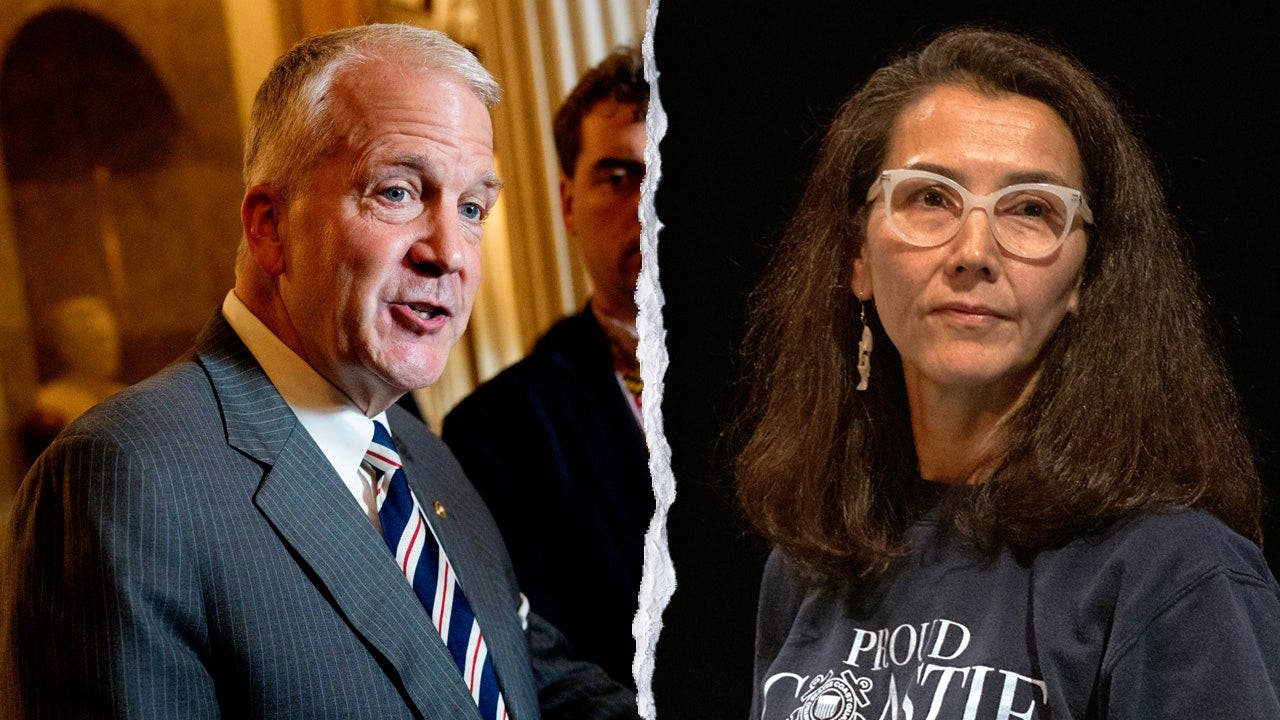
Oct. 28: Peltola’s campaign denied involvement in the rival-candidate effort alleged in “Peltola campaign aides recruited a namesake rival to siphon votes in Alaska.”
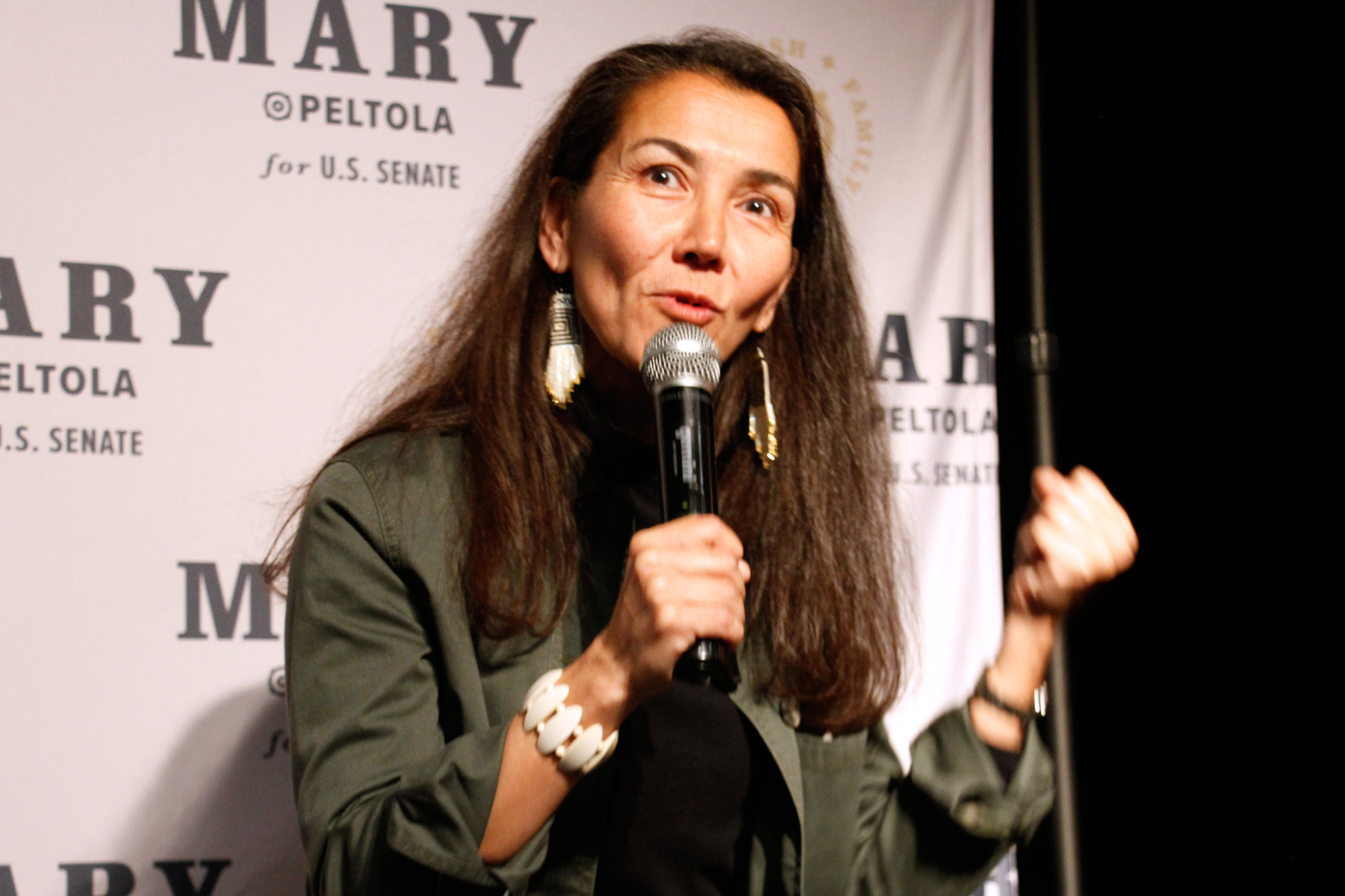
Oct. 29: the Justice Department issued subpoenas in the Alaska candidate probe.
Oct. 29: the Justice Department issued subpoenas in the Alaska candidate probe.
Footnotes[29]Oct. 30: federal prosecutors investigated an alleged Alaska ballot ruse.
Oct. 30: federal prosecutors investigated an alleged Alaska ballot ruse.
Footnotes[33]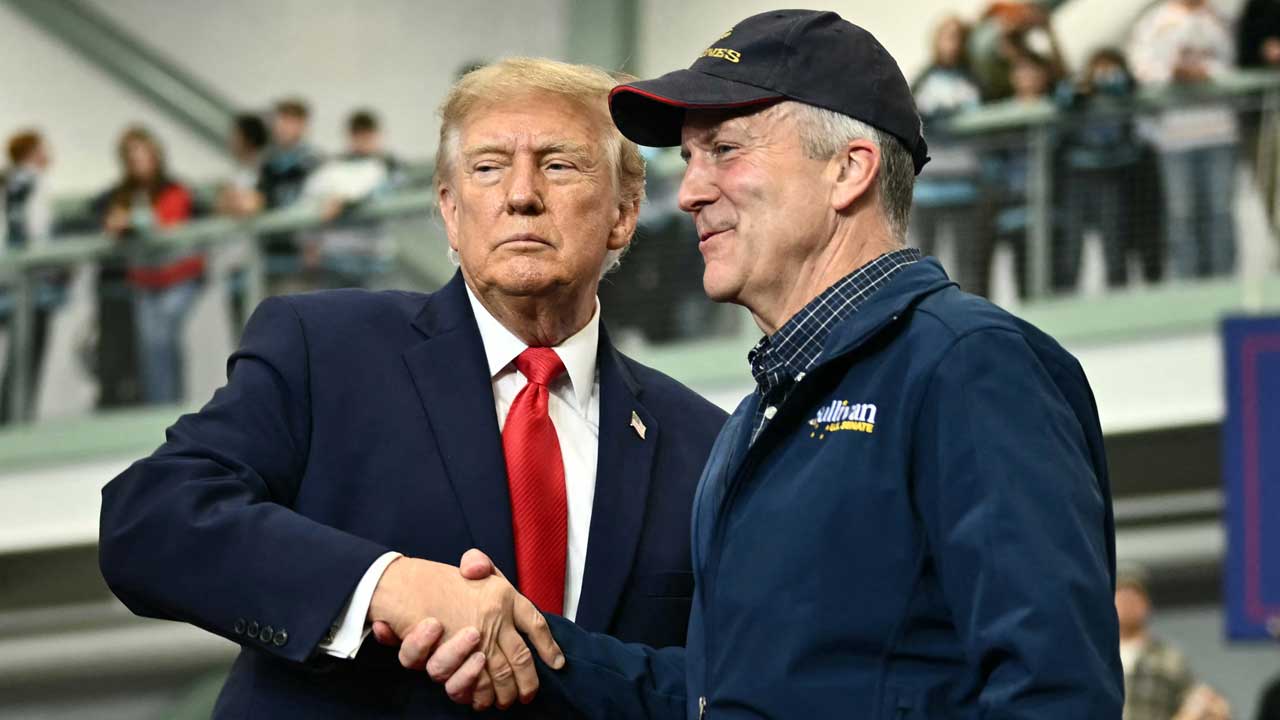
Evidenced relationships involving significant participants beyond the central cast.
The Event identifies the Justice Department as actor.
The Event identifies the Justice Department as actor.
The Event identifies the Justice Department as actor.
The Event identifies the committee as actor and Peltola’s campaign as target.
The Event identifies the FBI as actor and Charles Flint as target.
This edition freezes the complete served membership and analysis available through its UTC cutoff. Later repairs or identity changes do not rewrite what this edition showed.
Stories are reporting clusters. Events are coded occurrences within that reporting. The cast contains 137 canonical people and organizations linked to the retained evidence.
Story-to-Event edges identify supporting reporting. Entity-to-Event edges identify recorded actor or target participation. Mentions and analytical roles stay visibly distinct from recorded participation.
Core, precursor, and continuation labels organize the reading. They do not by themselves establish causation. Collapsed graph groups and paginated evidence change presentation only; counts use the complete retained edition.