
Significance
9 measured / 9 eligible · 0 missing · 0 not applicable
score (0 to 1) · Event-level distribution, not a Situation risk score.
across all 9 events
On October 1, Vladimir Putin warned that Russia might use its full arsenal if attacked in the Event “Putin warns Russia may use its full arsenal if attacked”; the same-day Story “Russia warns NATO it could use nuclear weapons over Kaliningrad” frames the warning around Kaliningrad. The Russian Foreign Ministry warned Europe of retaliation over Kaliningrad in an Event dated October 1, also linked to “Russia again brandishes nuclear threats to stoke fear.” Nikolai Patrushev said Putin’s Kaliningrad security orders were being implemented, as reported in “Putin's security orders for Russia's Kaliningrad region are being implemented.” On October 1, NATO Secretary General Mark Rutte urged vigilance over Russian activity in an Event linked to “Rutte warns NATO allies that Russia is testing the alliance”; “Rutte says NATO is defensive alliance, urges Russia to end nuclear threats” also attributes those positions to him. Latvia said it was ready to host NATO nuclear weapons if the alliance decided, while the Lithuanian prime minister said there was no proof Russia was preparing to attack NATO. Putin also characterized Western Baltic exercises as escalation, and Latvia’s defense minister said Russian hybrid attacks outweighed nuclear rhetoric.
Footnotes[9][1][10][5][14][2][12][4][3][6][7][8]The central issue is Russia’s conditional nuclear threat concerning Kaliningrad, alongside a Foreign Ministry warning of retaliation and a Russian official’s statement that security orders for the region were being implemented. The allied statements show different attributed positions: Rutte’s public warnings, Latvia’s conditional readiness, and the Lithuanian prime minister’s assessment that there was no proof of preparations for an attack. These statements and Patrushev’s claim establish neither a nuclear use nor an attack; Latvia’s condition also does not establish an alliance decision or a deployment. The separate statement about German instability appears in the same Story as Rutte’s warning, but does not establish that Friedrich Merz addressed the Kaliningrad threat.
Footnotes[9][1][10][14][2][3][6][7][4]Explanation originally captured 2026-10-02 · Evidence through 2026-10-02 UTC · Source edition sed_ad5d50465d0ddbc4a37aeab90e98386e
A 2-day Situation represented by 9 coded Events carried across 24 member Stories.
The coded activity is led by 01 · Make Public Statement (5) and 051 · Praise or Endorse (1).
Vladimir Putin, NATO, and Kremlin are prominent in the retained actor and relationship evidence.
63 canonical Entities are linked to this edition.
Metric coverage. 9 coded Events · 9 CAMEO+ · 0 conflict. The four dimensions describe the CAMEO+ subset; conflict Events do not carry these scores.
Dot = mean · shaded span = observed range · position uses each metric’s defined scale.
How the coder scored the full retained Event set
9 coded events — 9 CAMEO+ (9 political)
Quad class over those 9 events · Verbal Cooperation 6 · Verbal Conflict 3. No conflict-family event here, so nothing carries a fatality count — a missing column, not a toll of zero.
9 measured / 9 eligible · 0 missing · 0 not applicable
score (0 to 1) · Event-level distribution, not a Situation risk score.
across all 9 events
9 measured / 9 eligible · 0 missing · 0 not applicable
score (0 to 10) · Event-level distribution, not a Situation risk score.
across all 9 events — every one of them CAMEO+
9 measured / 9 eligible · 0 missing · 0 not applicable
score (0 to 1) · Event-level distribution, not a Situation risk score.
across all 9 events — every one of them CAMEO+
9 measured / 9 eligible · 0 missing · 0 not applicable
score (0 to 1) · Event-level distribution, not a Situation risk score.
across all 9 events — every one of them CAMEO+
9 measured / 9 eligible · 0 missing · 0 not applicable
score (0 to 1) · Event-level distribution, not a Situation risk score.
across all 9 events — every one of them CAMEO+
9 measured / 9 eligible · 0 missing · 0 not applicable
score (-10 to 10) · Event-level distribution, not a Situation risk score.
across the 9 of 9 events Goldstein is defined on — CAMEO+ POLITICAL and the conflict family; the other nine CAMEO+ domains have no Goldstein semantics
9 measured / 9 eligible · 0 missing · 0 not applicable
score (0 to 1) · Event-level distribution, not a Situation risk score.
across all 9 events
This retained edition, independent of graph and page limits. Different dimensions, not a blended risk score; reported tolls may overlap.
2026-10-02from the recordslatest
Polish MFA spokesperson condemns Russian nuclear rhetoric
5 Stories and 1 coded Event (-14 / -7 against the day before). Widest coverage: Putin warns West Russia could use all weapons to defend Kaliningrad (90 articles).
What kind of event · 5 coded types
over 9 coded events on this edition
Countries · where it happened
Countries · who is acting
Selected from the complete retained edition
The Kaliningrad nuclear warning, the Foreign Ministry’s retaliation warning, Patrushev’s statement about security orders, and attributed NATO and Baltic positions make up the core thread.
“Rutte warns NATO allies that Russia is testing the alliance” also carries Friedrich Merz’s statement about German instability; the shared Story does not establish that Merz’s statement was a response to the Kaliningrad threat.
Friedrich Merz is the recorded source actor for a public statement about German instability and its possible effects on Europe and Ukraine.
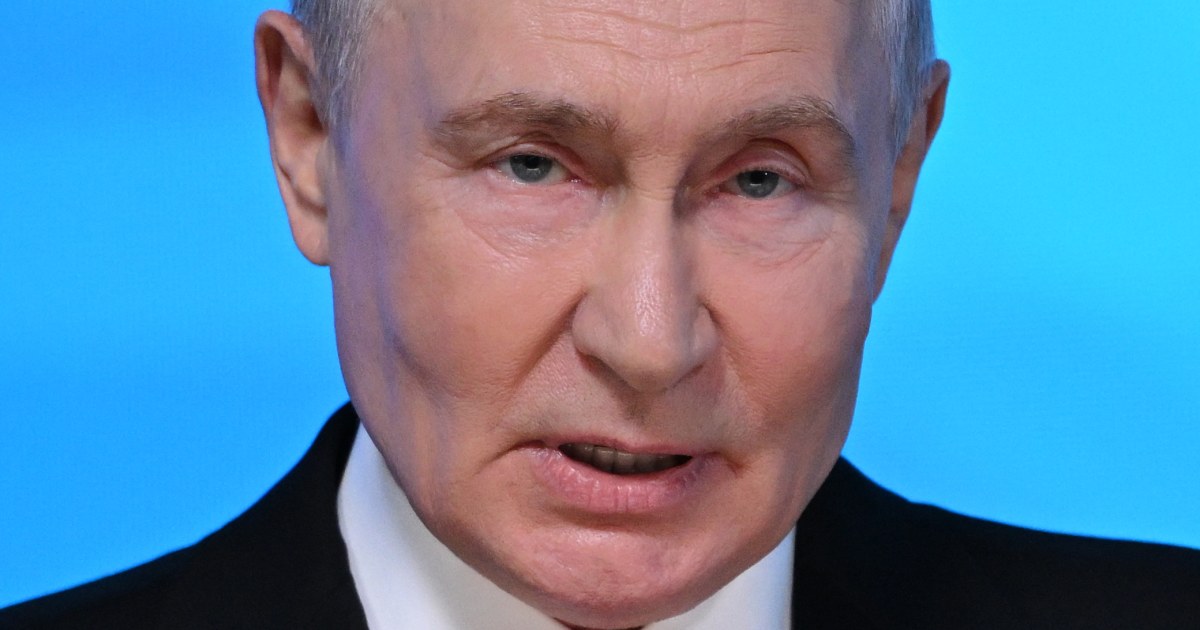
On October 1, Putin warned that Russia might use its full arsenal if attacked; the associated Story places the warning in the Kaliningrad context.
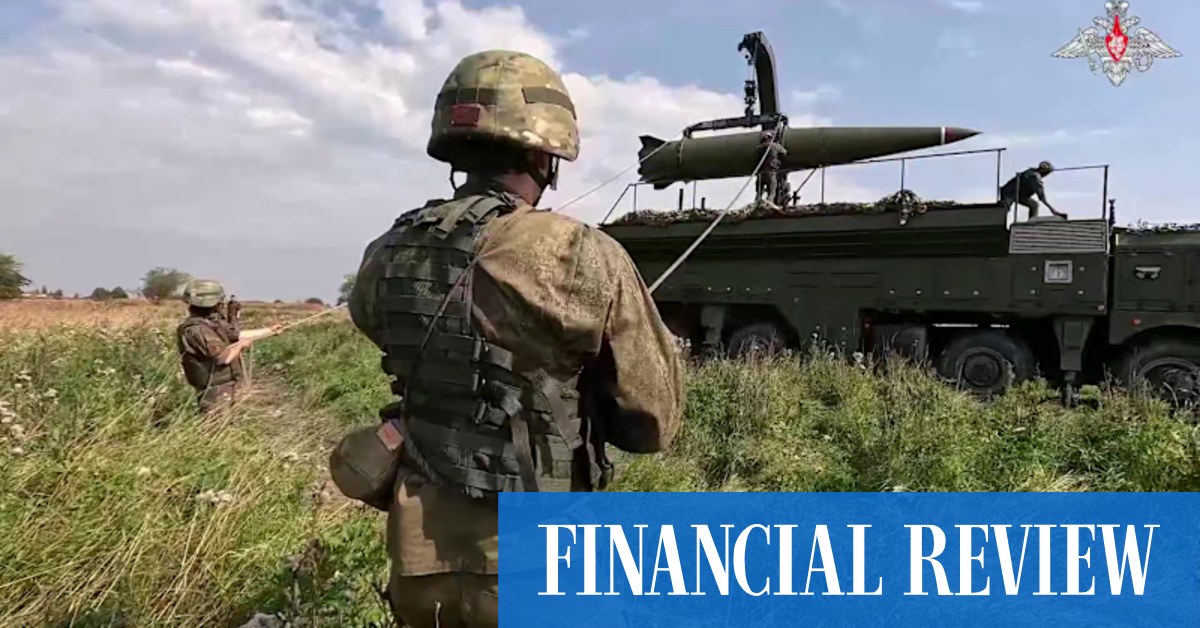
On October 1, the Russian Foreign Ministry warned European countries of retaliation over Kaliningrad.



Evidenced relationships involving significant participants beyond the central cast.
The Event identifies Patrushev as its source actor.
The Event lists the Story among its supporting Stories.
This edition freezes the complete served membership and analysis available through its UTC cutoff. Later repairs or identity changes do not rewrite what this edition showed.
Stories are reporting clusters. Events are coded occurrences within that reporting. The cast contains 63 canonical people and organizations linked to the retained evidence.
Story-to-Event edges identify supporting reporting. Entity-to-Event edges identify recorded actor or target participation. Mentions and analytical roles stay visibly distinct from recorded participation.
Core, precursor, and continuation labels organize the reading. They do not by themselves establish causation. Collapsed graph groups and paginated evidence change presentation only; counts use the complete retained edition.