
Significance
48 measured / 48 eligible · 0 missing · 0 not applicable
score (0 to 1) · Event-level distribution, not a Situation risk score.
across all 48 events
SituationUnited States +19
On 9 October, a United States sanctions Event named the International Criminal Court (ICC) in its title but listed “Hague judge” as its target; “United States imposes new sanctions on International Criminal Court” names the Court. On 10 October, Donald Trump was named as actor and the ICC as target in a sanctions Event, while a separate Event records the European Union demanding that the United States withdraw sanctions; “US imposes sweeping sanctions on International Criminal Court” reports the sanctions. On 12 October, a U.S. Treasury Event also names the ICC as target, while “Belgium, France, Germany and Sweden urge EU response to US sanctions on ICC” reports an appeal to the European Union. Navi Pillay urged the United States to stop attacks on the ICC on 13 October and denounced Trump’s sanctions as unlawful on 14 October; “Nobel laureate Navi Pillay condemns Trump sanctions against ICC as illegal” reports her criticism. The European Commission considered protection for the Court on 19 October, and the European Parliament awarded it the Sakharov Prize on 22 October.
Footnotes[23][20][22][24][16][21][15][35][27][9][38][33]The differently dated sanctions Events name the United States on 9 October, Donald Trump on 10 October and the U.S. Treasury on 12 October, but the 9 October target discrepancy and the dates alone do not establish whether the entries describe separate measures or stages of one action. The European Union’s withdrawal demand and European lawmakers’ appeal document calls for action; the Commission’s consideration is deliberation, not an adopted EU protection measure. The European Parliament’s 22 October award is recognition of the ICC, not evidence that sanctions were reversed. The 22 October award headline and the later “ICC receives Sakharov Prize as sanctions on its officials intensify” concern the same award, not two awards. Akane’s address, Pillay’s condemnations and the European Union’s reaffirmed support document criticism and support; they do not establish that sanctions were lifted or that the actions were coordinated.
Footnotes[23][22][21][24][36][38][33][7][6][25][32][28]Explanation originally captured 2026-11-26 · Evidence through 2026-11-27 UTC · Source edition sed_124ef4d19a28b7735210672b39b45a19
A 50-day Situation represented by 48 coded Events carried across 110 member Stories.
The coded activity is led by 111 · Criticize or Denounce (24) and 051 · Praise or Endorse (7).
International Criminal Court, Donald Trump, and European Union are prominent in the retained actor and relationship evidence.
170 canonical Entities are linked to this edition.
Metric coverage. 48 coded Events · 48 CAMEO+ · 0 conflict. The four dimensions describe the CAMEO+ subset; conflict Events do not carry these scores.
Dot = mean · shaded span = observed range · position uses each metric’s defined scale.
How the coder scored the full retained Event set
48 coded events — 48 CAMEO+ (48 political)
Quad class over those 48 events · Verbal Conflict 28 · Verbal Cooperation 16 · Material Conflict 4. No conflict-family event here, so nothing carries a fatality count — a missing column, not a toll of zero.
48 measured / 48 eligible · 0 missing · 0 not applicable
score (0 to 1) · Event-level distribution, not a Situation risk score.
across all 48 events
48 measured / 48 eligible · 0 missing · 0 not applicable
score (0 to 10) · Event-level distribution, not a Situation risk score.
across all 48 events — every one of them CAMEO+
48 measured / 48 eligible · 0 missing · 0 not applicable
score (0 to 1) · Event-level distribution, not a Situation risk score.
across all 48 events — every one of them CAMEO+
48 measured / 48 eligible · 0 missing · 0 not applicable
score (0 to 1) · Event-level distribution, not a Situation risk score.
across all 48 events — every one of them CAMEO+
48 measured / 48 eligible · 0 missing · 0 not applicable
score (0 to 1) · Event-level distribution, not a Situation risk score.
across all 48 events — every one of them CAMEO+
48 measured / 48 eligible · 0 missing · 0 not applicable
score (-10 to 10) · Event-level distribution, not a Situation risk score.
across the 48 of 48 events Goldstein is defined on — CAMEO+ POLITICAL and the conflict family; the other nine CAMEO+ domains have no Goldstein semantics
48 measured / 48 eligible · 0 missing · 0 not applicable
score (0 to 1) · Event-level distribution, not a Situation risk score.
across all 48 events
This retained edition, independent of graph and page limits. Different dimensions, not a blended risk score; reported tolls may overlap.
2026-11-26from the recordslatest
US sanctions target ICC judge Kimberly Prost over war crimes cases
3 Stories and 0 coded Events (+1 / -1 against the day before). Widest coverage: US sanctions target ICC judge Kimberly Prost over war crimes cases (4 articles).
What kind of event · 11 coded types
over 48 coded events on this edition
Countries · where it happened
Countries · who is acting
Selected from the complete retained edition
Connects the sanctions Events to the European Union’s withdrawal demand and Navi Pillay’s criticism and appeal. The 9 October target discrepancy and whether the differently dated sanctions Events describe separate measures remain unresolved.
Covers European appeals, Commission consideration, the Parliament’s award to the ICC and EU support for the Court. These actions do not establish adoption of an EU protective measure.
The Story identifies two human-rights groups as subjects of blocked sanctions; it does not establish a general reversal of sanctions against the ICC.
The Story identifies two human-rights groups as subjects of blocked sanctions; it does not establish a general reversal of sanctions against the ICC.
Footnotes[11]Stories place Pillay’s Nobel Peace Prize and U.S. sanctions in related coverage, and Events capture her condemnation. Their timing and headlines do not establish that the prize caused the U.S. action.
The International Criminal Court is named as the target in the Trump and Treasury sanctions Events. The European Parliament awarded it the Sakharov Prize, and the European Union reaffirmed support for it.


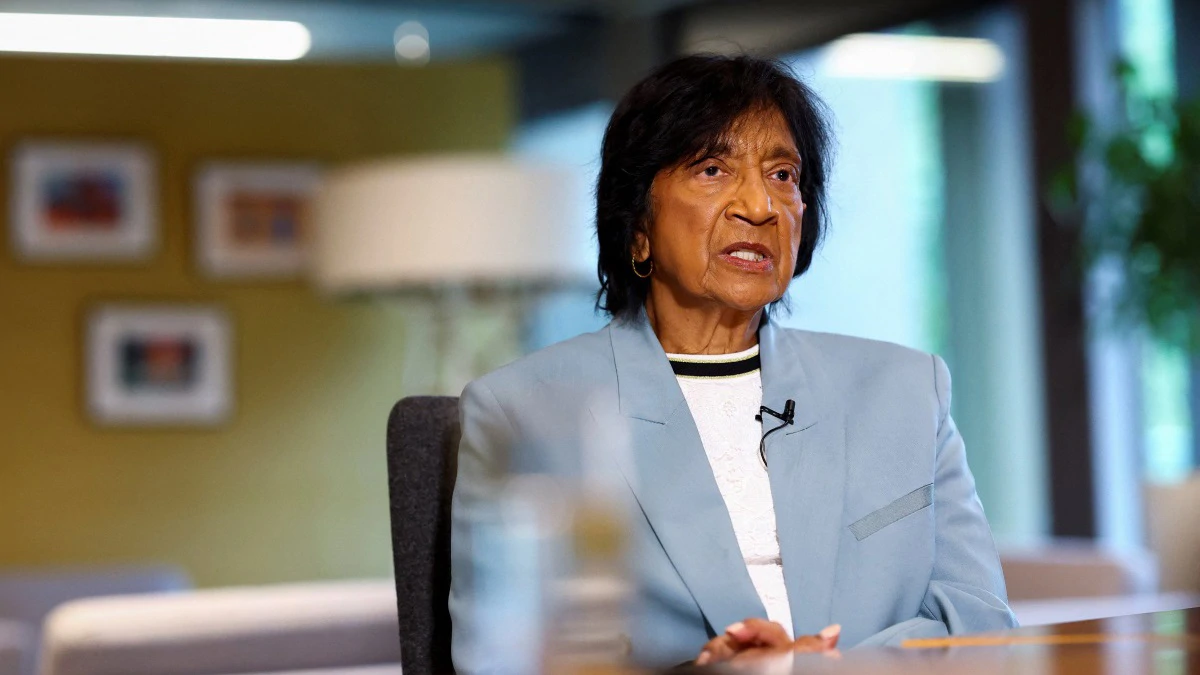
Evidenced relationships involving significant participants beyond the central cast.
The Event binds the European Commission as actor and the ICC as target.
The Event binds the European Parliament as actor and the ICC as target.
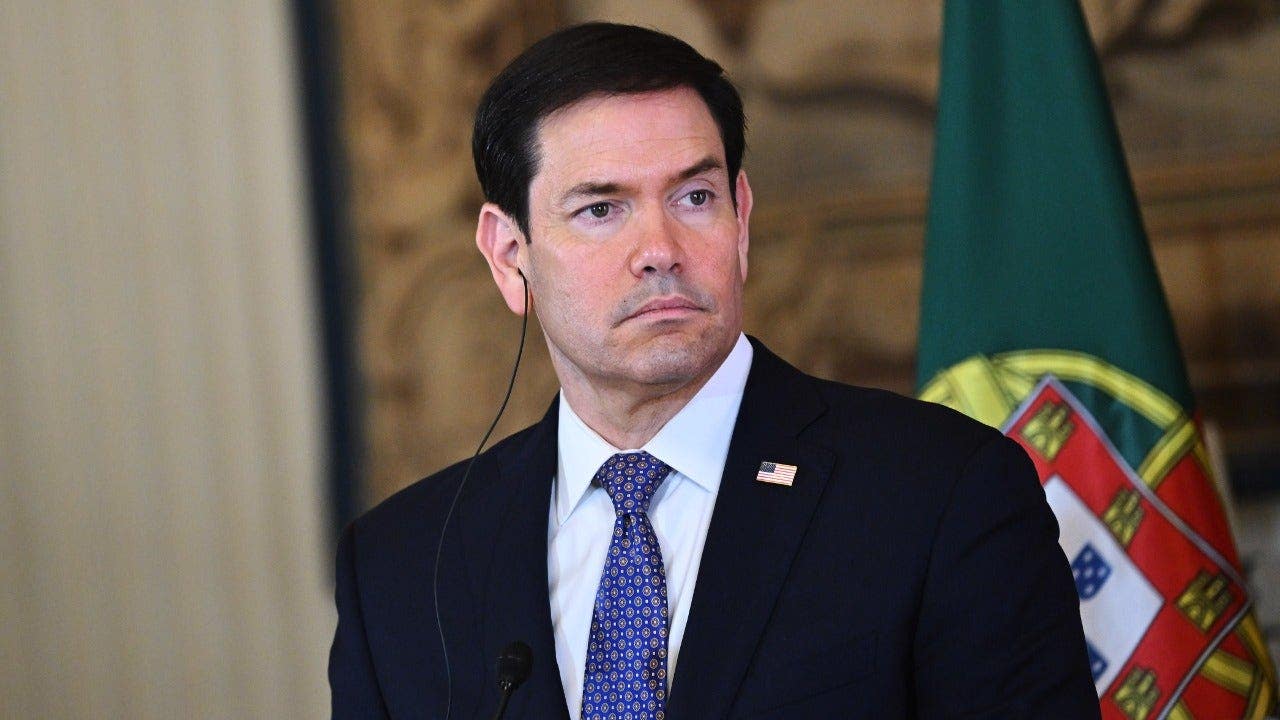
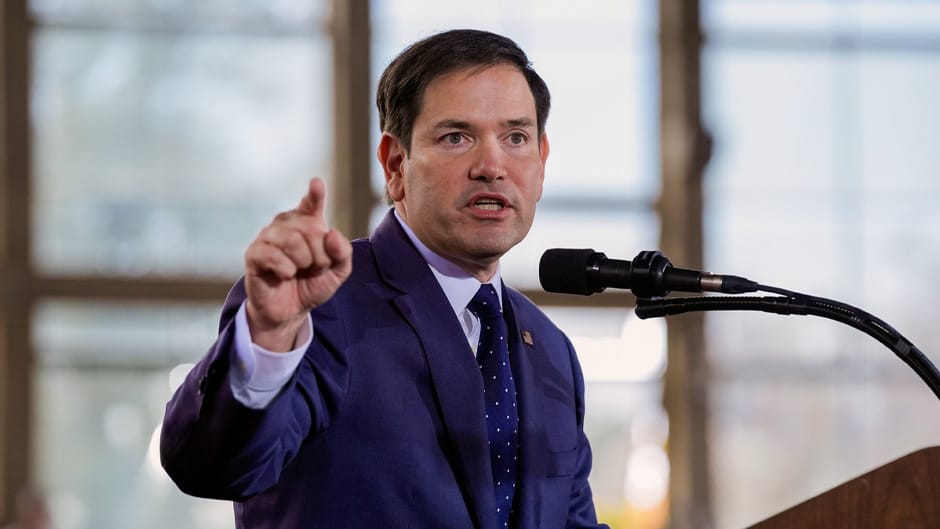
The Event names Marco Rubio as the target of Araghchi’s rebuke.
Connects the sanctions Events to the European Union’s withdrawal demand and Navi Pillay’s criticism and appeal. The 9 October target discrepancy and whether the differently dated sanctions Events describe separate measures remain unresolved.
Footnotes[23][22][21][24][35][20][13]Covers European appeals, Commission consideration, the Parliament’s award to the ICC and EU support for the Court. These actions do not establish adoption of an EU protective measure.
Footnotes[30][36][38][33][28][15][10][8][12][7][3]The Story identifies two human-rights groups as subjects of blocked sanctions; it does not establish a general reversal of sanctions against the ICC.
Footnotes[11]Stories place Pillay’s Nobel Peace Prize and U.S. sanctions in related coverage, and Events capture her condemnation. Their timing and headlines do not establish that the prize caused the U.S. action.
Footnotes[18][17][19][27]Abbas Araghchi rebuked Marco Rubio over a warning to the International Criminal Court.
Footnotes[34][2]Kimberly Prost urged Britain to release her frozen funds; the Event does not establish that Britain acted on the appeal.
Footnotes[37][1]This edition freezes the complete served membership and analysis available through its UTC cutoff. Later repairs or identity changes do not rewrite what this edition showed.
Stories are reporting clusters. Events are coded occurrences within that reporting. The cast contains 170 canonical people and organizations linked to the retained evidence.
Story-to-Event edges identify supporting reporting. Entity-to-Event edges identify recorded actor or target participation. Mentions and analytical roles stay visibly distinct from recorded participation.
Core, precursor, and continuation labels organize the reading. They do not by themselves establish causation. Collapsed graph groups and paginated evidence change presentation only; counts use the complete retained edition.