
Significance
31 measured / 31 eligible · 0 missing · 0 not applicable
score (0 to 1) · Event-level distribution, not a Situation risk score.
across all 31 events
SituationRussia +5
On September 28, the Russian Embassy in Belgium warned NATO over Kaliningrad, while Poland and Lithuania staged an evacuation exercise in the Suwalki Corridor; “Russia warns NATO of direct confrontation over Kaliningrad blockade” and “Poland and Lithuania plan civilian evacuations in case of Russian attack” report those developments. On September 29, Russia sent NATO an unofficial Kaliningrad document and NATO rejected Russia’s accusations, as “Russia warns NATO of direct confrontation over Kaliningrad blockade” and “NATO rejects Russian claims of provocations near Kaliningrad” describe. On October 1, Vladimir Putin warned that Russia might use its full arsenal if attacked, and Nikolai Patrushev said Putin’s Kaliningrad security orders were being implemented; “Russia warns NATO it could use nuclear weapons over Kaliningrad” and “Putin's security orders for Russia's Kaliningrad region are being implemented” report those statements. On October 3, Matthew Whitaker said NATO would not attack Russia.
Footnotes[26][23][19][21][37][42][20][22][43][15][16][40]The exchange includes Russian warnings and NATO’s rejection of Russian accusations, but the competing statements do not establish that an attack was being prepared: Lithuania’s prime minister said there was no proof Russia was preparing to attack NATO, and Whitaker said NATO would not attack Russia. Lithuania’s October 6 offer of a permanent U.S. military presence and Donald Trump’s statement that he would consider a permanent base were proposals or consideration, not an established permanent U.S. deployment; the Lithuanian Armed Forces’ reported deployment of 100 soldiers to the Russian border is a distinct action. Poland’s border reinforcement and security operation are reported measures, while Poland’s claim that it thwarted a Russian provocation does not independently establish the alleged act or responsibility. Alexander Grushko confirmed a Russia–NATO emergency communications channel, and the Pentagon urged NATO to moderate public rhetoric.
Footnotes[18][40][30][41][27][29][44][1][38][33]Explanation originally captured 2026-11-17 · Evidence through 2026-11-17 UTC · Source edition sed_e1610e3e5a24b8b5524c5cf975d514e0
A 52-day Situation represented by 31 coded Events carried across 98 member Stories.
The coded activity is led by 01 · Make Public Statement (8) and 111 · Criticize or Denounce (3).
NATO, Vladimir Putin, and Dmitry Peskov are prominent in the retained actor and relationship evidence.
185 canonical Entities are linked to this edition.
Metric coverage. 31 coded Events · 30 CAMEO+ · 1 conflict. The four dimensions describe the CAMEO+ subset; conflict Events do not carry these scores.
Dot = mean · shaded span = observed range · position uses each metric’s defined scale.
How the coder scored the full retained Event set
31 coded events — 30 CAMEO+ (30 political) · 1 conflict
Quad class over those 31 events · Verbal Cooperation 17 · Verbal Conflict 9 · Material Conflict 5. The four CAMEO+ scores are over the 30 CAMEO+ events only; the 1 conflict events have no such column.
31 measured / 31 eligible · 0 missing · 0 not applicable
score (0 to 1) · Event-level distribution, not a Situation risk score.
across all 31 events
30 measured / 30 eligible · 0 missing · 1 not applicable
score (0 to 10) · Event-level distribution, not a Situation risk score.
across the 30 of 31 events coded in the CAMEO+ family; the conflict family has no such column
30 measured / 30 eligible · 0 missing · 1 not applicable
score (0 to 1) · Event-level distribution, not a Situation risk score.
across the 30 of 31 events coded in the CAMEO+ family; the conflict family has no such column
30 measured / 30 eligible · 0 missing · 1 not applicable
score (0 to 1) · Event-level distribution, not a Situation risk score.
across the 30 of 31 events coded in the CAMEO+ family; the conflict family has no such column
30 measured / 30 eligible · 0 missing · 1 not applicable
score (0 to 1) · Event-level distribution, not a Situation risk score.
across the 30 of 31 events coded in the CAMEO+ family; the conflict family has no such column
31 measured / 31 eligible · 0 missing · 0 not applicable
score (-10 to 10) · Event-level distribution, not a Situation risk score.
across the 31 of 31 events Goldstein is defined on — CAMEO+ POLITICAL and the conflict family; the other nine CAMEO+ domains have no Goldstein semantics
1 measured / 1 eligible · 0 missing · 30 not applicable
reported people · Reports may overlap; these are Event-level reports, not an additive unique human toll.
across the 1 of 31 events that report a toll — the conflict family only, and never 0 on a CAMEO+ event
31 measured / 31 eligible · 0 missing · 0 not applicable
score (0 to 1) · Event-level distribution, not a Situation risk score.
across all 31 events
This retained edition, independent of graph and page limits. Different dimensions, not a blended risk score; reported tolls may overlap.
2026-11-17from the recordslatest
Eastern European leaders urge united response to Russia's expanding threats
1 Story and 0 coded Events (0 / -1 against the day before). Widest coverage: Eastern European leaders urge united response to Russia's expanding threats (1 articles).
What kind of event · 17 coded types
over 31 coded events on this edition
Countries · where it happened
Countries · who is acting
Selected from the complete retained edition
Russian warnings and statements concerning Kaliningrad, NATO’s rejection of Russia’s accusations, and Putin’s conditional weapons-use statements define the main exchange.
Lithuania offered a permanent U.S. presence, its armed forces deployed soldiers to the Russian border, and Trump said he would consider a base; the proposal and consideration do not establish an implemented permanent U.S. deployment.
Polish stories describe border reinforcement and security-force activity; the Polish claim that it thwarted a Russian provocation does not independently establish the alleged act or responsibility.
Whitaker said NATO would not attack Russia, Grushko confirmed an emergency communications channel, and the Pentagon urged NATO to moderate public rhetoric toward Moscow.

On September 28, the Russian Embassy in Belgium warned NATO over Kaliningrad; “Russia warns NATO of direct confrontation over Kaliningrad blockade” reported the warning.

On September 29, NATO rejected Russia’s accusations over Kaliningrad, in “NATO rejects Russian claims of provocations near Kaliningrad.”

On October 1, Putin warned Russia might use its full arsenal if attacked, in “Russia warns NATO it could use nuclear weapons over Kaliningrad.”
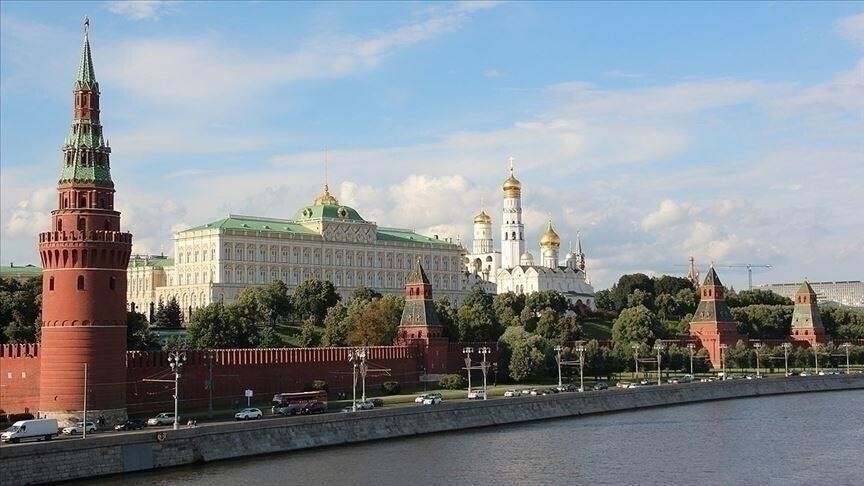
On October 4, Putin threatened nuclear retaliation if Russia were attacked, in “Putin says Russia will retaliate with any means if attacked.”
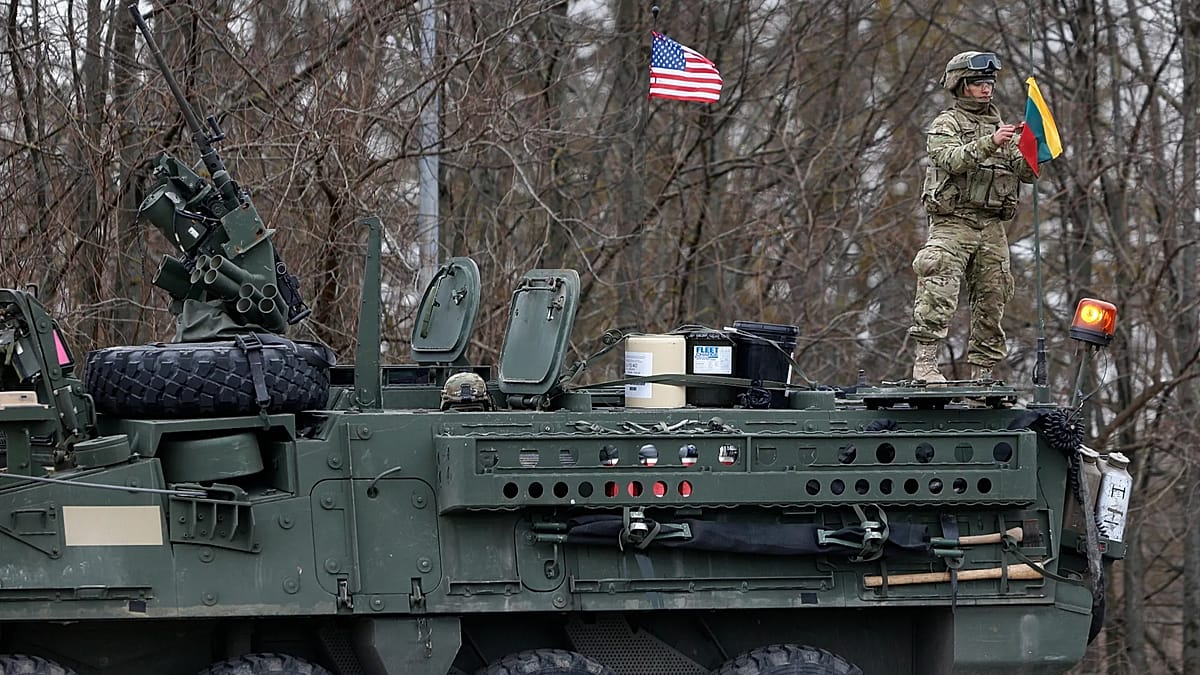
On October 6, Lithuania offered the United States a permanent military presence and funding; “Trump weighs permanent US base in Lithuania as Russia warns of escalation” reported the offer.
Evidenced relationships involving significant participants beyond the central cast.
The Event identifies the Lithuanian Armed Forces as its source actor.
The Event identifies the Pentagon as source actor and NATO as target.
This edition freezes the complete served membership and analysis available through its UTC cutoff. Later repairs or identity changes do not rewrite what this edition showed.
Stories are reporting clusters. Events are coded occurrences within that reporting. The cast contains 185 canonical people and organizations linked to the retained evidence.
Story-to-Event edges identify supporting reporting. Entity-to-Event edges identify recorded actor or target participation. Mentions and analytical roles stay visibly distinct from recorded participation.
Core, precursor, and continuation labels organize the reading. They do not by themselves establish causation. Collapsed graph groups and paginated evidence change presentation only; counts use the complete retained edition.