
Significance
21 measured / 21 eligible · 0 missing · 0 not applicable
score (0 to 1) · Event-level distribution, not a Situation risk score.
across all 21 events
Stories including “Cyberattack targets refrigeration systems at dozens of European supermarkets” and “Cyberattacks hit supermarket freezer systems in at least 11 European countries” described a cross-border wave of reported supermarket refrigeration incidents; the 2 November Events separately describe disruption at Intermarché and SuperValu. On 3 November, hackers raised temperatures in Edeka store freezers in Reisbach, while Richard Horne urged businesses to strengthen cyber defences. On 4 November, SuperValu restored refrigeration at 13 Irish stores, and on 5 November Bernese police investigated the attack on Lüthi's Fleischwaren in Köniz. The FBI warning Event is dated 5 November, while its supporting Story was reported on 6 November. French blood-bank freezer-control coverage was reported on 5 November; the linked Event is dated 8 November. France’s prosecutors sought international warrants on 10 November; on 11 November Abbas Araghchi criticized France’s attribution, while Ferit Hoxha urged European unity. On 12 November the French government threatened tougher sanctions on Iran, and Scott Bessent accused Iran of using Chinese AI in cyberattacks; the related headline “Iran linked to hack of refrigeration systems at 700 French supermarkets” was reported on 13 November.
Footnotes[17][14][26][27][24][18][32][34][16][28][13][38]The supermarket and cold-storage reports span different targets and responses, while the French blood-bank Event extends the reported concern to medical storage; neither the shared subject matter nor the headline “European authorities probe coordinated cyberattacks on supermarkets and blood banks” establishes that these incidents were coordinated. The FBI’s warning was directed to businesses operating supermarkets and healthcare facilities, and Italy’s Antonio Tajani said Italy would respond diplomatically; these are evidenced official responses, not proof of a single campaign. Attribution remains disputed: a Story reports pro-Russian groups claiming attacks and another reports Russia’s denial; France attributed the supermarket attacks to an Iranian unit, and Belgian reporting later showed ministers at odds over Iran’s alleged role. Araghchi’s criticism and Bessent’s accusation are claims and responses, not independently established responsibility. Italy also said cyberattacks did not disrupt all food refrigeration systems. The French warrant-seeking Event establishes a legal step, and the government’s sanctions Event a threat, not guilt or implemented sanctions; Sybiha’s proposal for Italian assistance to Ukraine is a separate strand.
Footnotes[9][15][10][3][29][33][8][39][14][31][15][10]Explanation originally captured 2026-11-14 · Evidence through 2026-11-14 UTC · Source edition sed_3079bf88ad273668a8f906e8641ad070
A 13-day Situation represented by 21 coded Events carried across 105 member Stories.
The coded activity is led by TE03 · Cyber Event (10) and 01 · Make Public Statement (3).
Federal Bureau of Investigation, Antonio Tajani, and Abbas Araghchi are prominent in the retained actor and relationship evidence.
264 canonical Entities are linked to this edition.
Metric coverage. 21 coded Events · 21 CAMEO+ · 0 conflict. The four dimensions describe the CAMEO+ subset; conflict Events do not carry these scores.
Dot = mean · shaded span = observed range · position uses each metric’s defined scale.
How the coder scored the full retained Event set
21 coded events — 21 CAMEO+ (10 political)
Quad class over those 10 events · Verbal Cooperation 6 · Verbal Conflict 4. No conflict-family event here, so nothing carries a fatality count — a missing column, not a toll of zero. 11 sit outside POLITICAL, where Goldstein and quad class are undefined.
21 measured / 21 eligible · 0 missing · 0 not applicable
score (0 to 1) · Event-level distribution, not a Situation risk score.
across all 21 events
21 measured / 21 eligible · 0 missing · 0 not applicable
score (0 to 10) · Event-level distribution, not a Situation risk score.
across all 21 events — every one of them CAMEO+
21 measured / 21 eligible · 0 missing · 0 not applicable
score (0 to 1) · Event-level distribution, not a Situation risk score.
across all 21 events — every one of them CAMEO+
21 measured / 21 eligible · 0 missing · 0 not applicable
score (0 to 1) · Event-level distribution, not a Situation risk score.
across all 21 events — every one of them CAMEO+
21 measured / 21 eligible · 0 missing · 0 not applicable
score (0 to 1) · Event-level distribution, not a Situation risk score.
across all 21 events — every one of them CAMEO+
10 measured / 10 eligible · 0 missing · 11 not applicable
score (-10 to 10) · Event-level distribution, not a Situation risk score.
across the 10 of 21 events Goldstein is defined on — CAMEO+ POLITICAL and the conflict family; the other nine CAMEO+ domains have no Goldstein semantics
21 measured / 21 eligible · 0 missing · 0 not applicable
score (0 to 1) · Event-level distribution, not a Situation risk score.
across all 21 events
This retained edition, independent of graph and page limits. Different dimensions, not a blended risk score; reported tolls may overlap.
2026-11-14from the recordslatest
Belgian ministers split over Iran's alleged role in store cyberattacks
2 Stories and 0 coded Events (-2 / 0 against the day before). Widest coverage: Belgian ministers split over Iran's alleged role in store cyberattacks (1 articles).
What kind of event · 10 coded types
over 21 coded events on this edition
Countries · where it happened
Countries · who is acting
Selected from the complete retained edition
The Europe-wide supermarket coverage sits alongside the reported SuperValu, Edeka, Köniz and French blood-bank incidents. These reports concern distinct targets; they do not establish a shared operator or coordination.
The FBI warned businesses about cooling-system attacks, and Italian and European coverage described warnings, meetings and readiness assessments. Tajani said Italy would respond diplomatically; Hoxha called for European unity.
Coverage includes pro-Russian groups’ claims, Russia’s denial, France’s attribution to an Iranian unit, Araghchi’s criticism and Bessent’s accusation. These are attributed claims and responses, not established responsibility.
Andrii Sybiha proposed Italian assistance for Ukraine against cyberattacks. The proposal is reported separately from the refrigeration incidents.
The Federal Bureau of Investigation was the named actor in the warning to businesses operating supermarkets and healthcare facilities about cooling-system attacks.
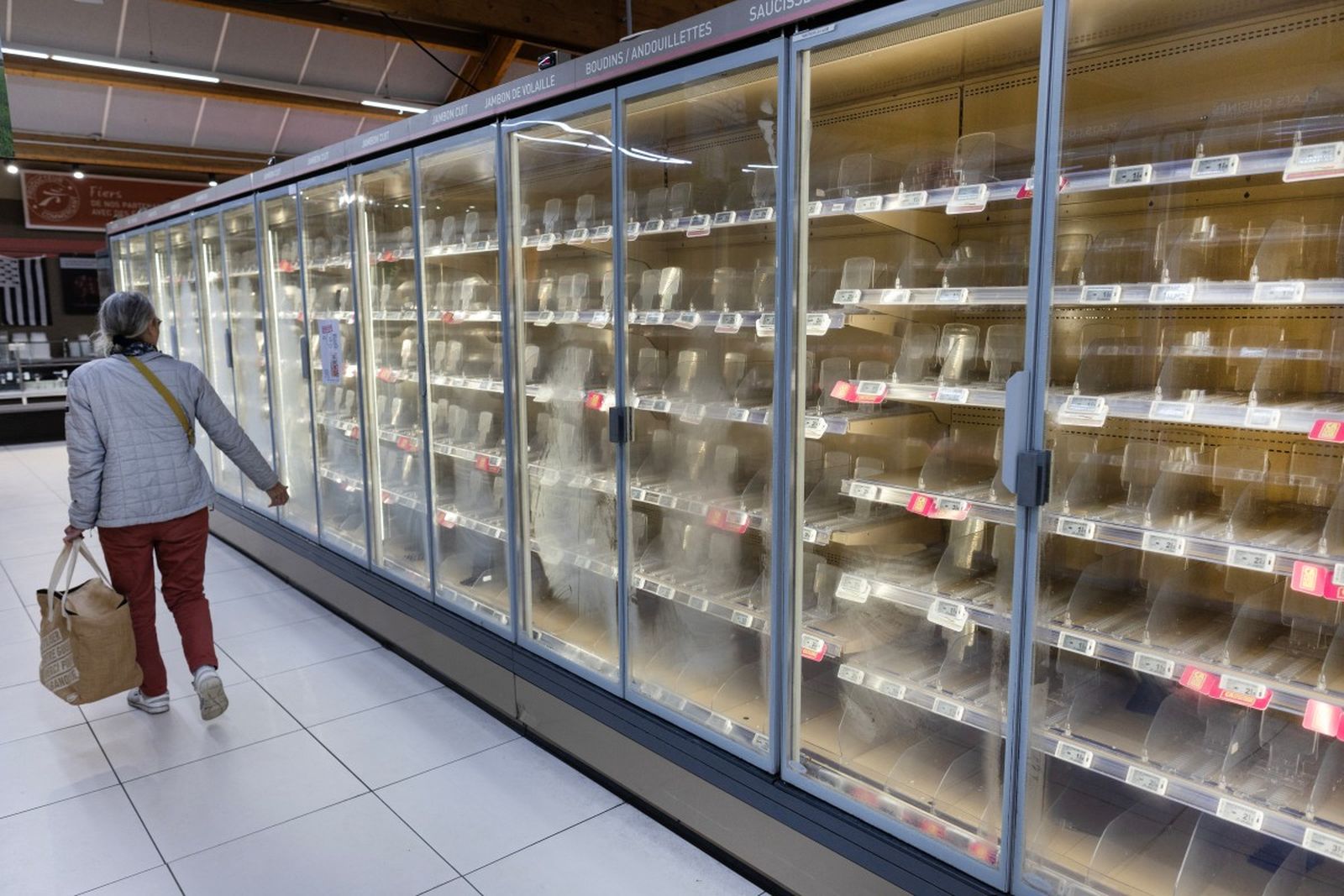

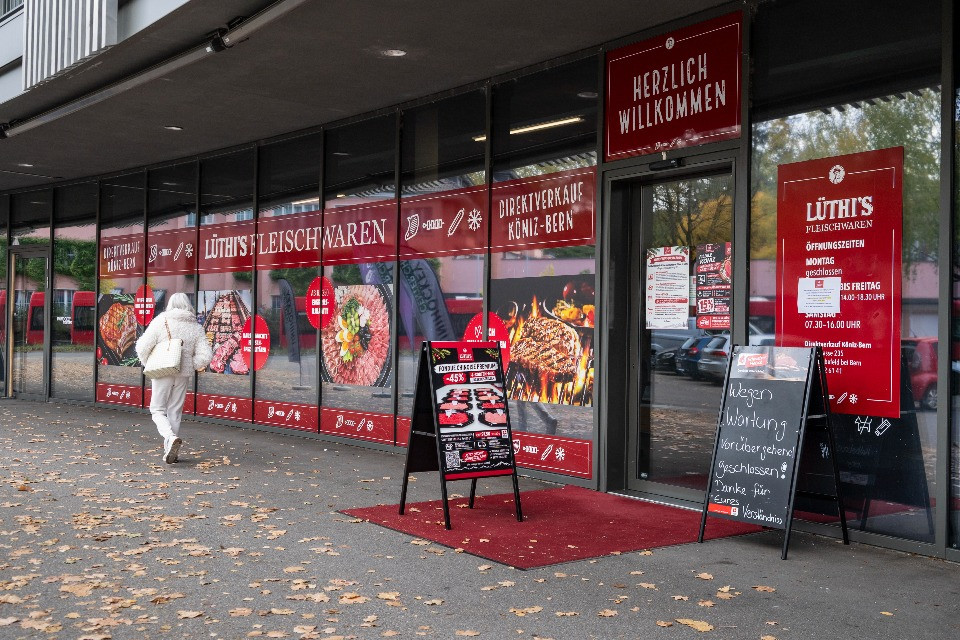
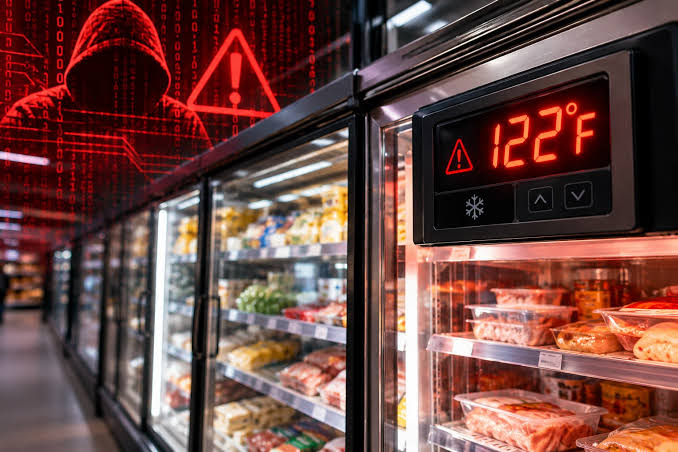
On 5 November 2026, the FBI warned businesses operating supermarkets and healthcare facilities about cooling-system attacks.
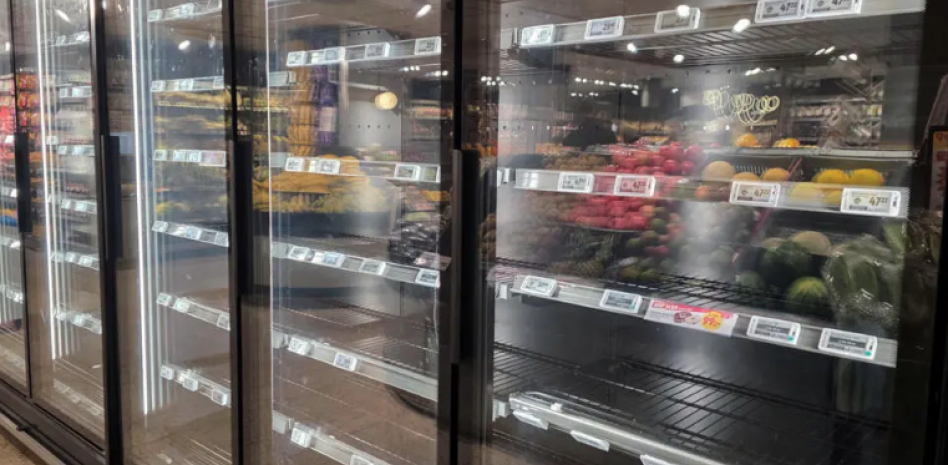
Evidenced relationships involving significant participants beyond the central cast.
The Event names this Story as its supporting Story.
The Event names this Story as its supporting Story.
The Event names this Story as its supporting Story.
The Event names this Story as its supporting Story.
The Event binds the FBI as its actor.
This edition freezes the complete served membership and analysis available through its UTC cutoff. Later repairs or identity changes do not rewrite what this edition showed.
Stories are reporting clusters. Events are coded occurrences within that reporting. The cast contains 264 canonical people and organizations linked to the retained evidence.
Story-to-Event edges identify supporting reporting. Entity-to-Event edges identify recorded actor or target participation. Mentions and analytical roles stay visibly distinct from recorded participation.
Core, precursor, and continuation labels organize the reading. They do not by themselves establish causation. Collapsed graph groups and paginated evidence change presentation only; counts use the complete retained edition.